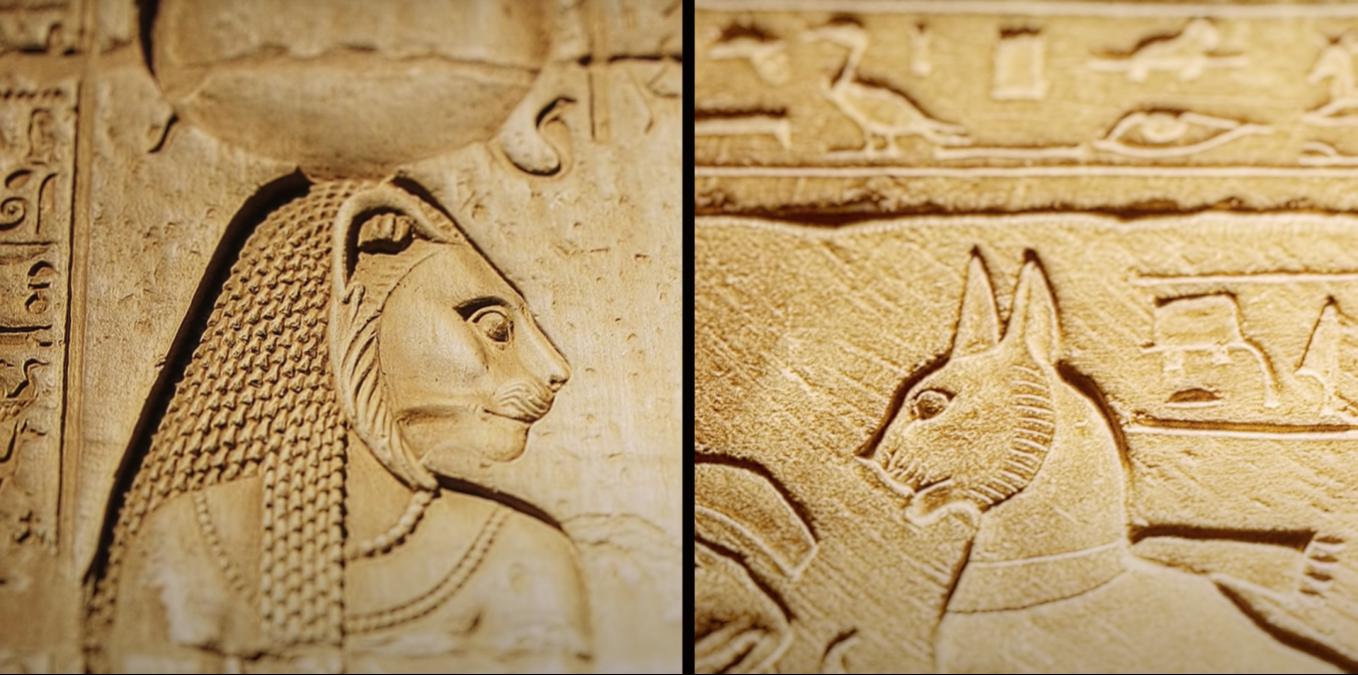
The story of bastet egyptian goddess begins thousands of years ago ...

Library of Alexandria stands as a modern homage to one of history’s greatest repositories of knowledge. Nestled on Alexandria City Mediterranean shore, this complex evokes the spirit of its ancient predecessor while offering contemporary travelers a rich blend of scholarly resources, cultural events, and architectural marvels. In 2025, international visitors will discover a living center of dialogue, where past and present converge through exhibitions, workshops, and digital innovation.
Key Takeaways:

Founded in the early 3rd century BCE under the Ptolemaic dynasty, the original Library of Alexandria sought to collect every written work known to humanity. Scholars like Euclid, Eratosthenes, and Hypatia walked its halls, advancing mathematics, geography, and philosophy. Although the exact circumstances of its destruction remain debated, the ancient library’s spirit endures as a symbol of human curiosity and cross‑cultural exchange.
For centuries, historians and visionaries dreamed of reviving Alexandria’s scholarly heritage. Plans for a modern library materialized in the late 20th century, culminating in the inauguration of the Bibliotheca Alexandrina in 2002. Conceived as a bridge between civilizations, it aimed to reclaim Alexandria’s role as a global intellectual hub.
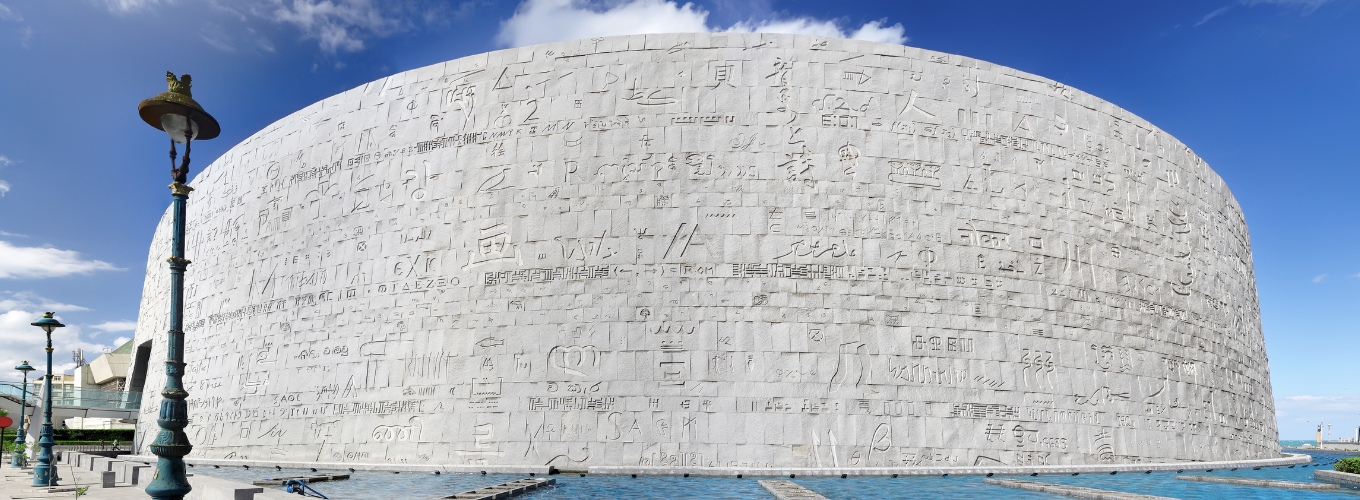
Designed by the Norwegian firm Snøhetta, the library’s main reading hall features a massive, tilted circular roof that appears to float above the glass façade. The exterior wall, inscribed with characters from over 120 world alphabets, symbolizes universal knowledge and openness.
Below ground level, specialized laboratories employ advanced techniques—ultraviolet cleaning, micro‑climate control, and digital imaging—to restore and preserve ancient papyri, medieval manuscripts, and rare texts. In 2025, guided visits to these units offer behind‑the‑scenes glimpses into the art and science of conservation.
Adjacent to the library stands a planetarium, a performing‑arts theater, and several specialized museums:
The library hosts rotating exhibitions that blend physical artifacts with augmented‑reality experiences. In early 2025, highlights include “Maritime Silk Road” (tracing ancient trade routes) and “Voices of Alexandria” (oral histories from local elders).
With over eight million volumes in its collection, the library’s digital portal offers remote access to scanned rare books, academic journals, and historical maps. Researchers worldwide can request digitized documents and participate in virtual conferences streamed live from Alexandria.
Expert guides lead small groups through key spaces—reading halls, manuscript units, and exhibition galleries—in English, Arabic, French, Spanish, and German. These tours illuminate architectural symbolism, collection highlights, and the library’s role in cultural diplomacy.
In 2025, the Bibliotheca Alexandrina calendar features:
A vast, sunlit space with tiered seating and panoramic sea views. Whether you’re browsing contemporary novels or consulting archival maps, the hall offers quiet alcoves and collaborative zones for individual and group study.
Witness the meticulous work of conservators stabilizing papyrus fragments and medieval parchments. Touch‑screen displays explain cleaning techniques, pigment analysis, and bookbinding restoration.
Catch a 3D astronomical show or explore interactive displays on Earth’s climate systems. Family‑friendly programs engage young travelers with hands‑on experiments and stargazing sessions on the rooftop terrace.
Walk through personal artifacts, photographs, and recordings that chronicle Egypt’s modern political history. The museum’s immersive theater presents a documentary‑style narrative of President Sadat’s life and policies.
A 15th‑century fortress built on the original site of the Lighthouse of Alexandria, offering panoramic sea views and insights into military architecture. It’s a 10‑minute drive or scenic tram ride from the library.
Housed in a 1926 Italianate palace, the museum’s galleries display artifacts from prehistory to the 19th century. The Pompey’s Pillar exhibit and the Graeco‑Roman collection complement the library’s focus on cross‑cultural exchange.
The seaside promenade stretches for miles, lined with cafés, fish markets, and parks. Stroll before or after your library visit to enjoy fresh seafood and watch the Mediterranean sunset.
Overlooking the library’s lawn and the sea beyond, this café offers light fare—sandwiches, pastries, and specialty coffees. In 2025, menu additions highlight local ingredients, such as date pastries and hibiscus iced tea.
A short walk away, this market bustles with vendors selling spices, textiles, and handcrafted jewelry. It’s an excellent spot to pick up souvenirs and taste street‑food classics like falafel and shawarma.
During major exhibitions, the library’s plaza hosts pop‑ups featuring regional music, dance performances, and artisanal crafts. These events provide immersive cultural snapshots and support local creative communities.
Weekday mornings (9 AM–11 AM) offer the most peaceful atmosphere. Avoid weekends and public holidays to steer clear of local school groups and large tour contingents.
Ramps, elevators, and tactile signage ensure wheelchair access throughout the complex. Braille panels and audio‑description devices enhance the experience for visually impaired visitors.
Casual, modest attire is appropriate. Women should have a scarf on hand for interior spaces, and all visitors are encouraged to wear comfortable shoes for exploring expansive gardens and terraces.
Non‑flash photography is permitted in most areas. For professional shoots or drone use, secure permits in advance from the library’s administration.
The library collaborates with universities worldwide, hosting joint research projects on papyrology, digital humanities, and Mediterranean studies. Scholars can apply for short‑term fellowships and grants.
In 2025, upcoming sessions include:
Programs for school groups and local families introduce participants to storytelling, bookbinding, and poetry slams. These initiatives foster a new generation of readers and researchers.
Library of Alexandria transcends its function as a repository of books—it embodies the enduring human quest for knowledge and cultural connection. In 2025, this vibrant institution invites travelers to explore ancient legacies and modern innovations side by side. Whether you’re a researcher delving into papyrology, a family seeking interactive learning, or a curious visitor eager to witness architectural splendor, the Bibliotheca Alexandrina promises an enlightening and memorable experience.
Plan your visit today with our expert travel agency. Let us tailor your Alexandria itinerary—seamlessly integrating the library with nearby treasures, cultural experiences, and personalized guidance—so you can rediscover this beacon of knowledge on the Mediterranean shore.
The story of bastet egyptian goddess begins thousands of years ago ...
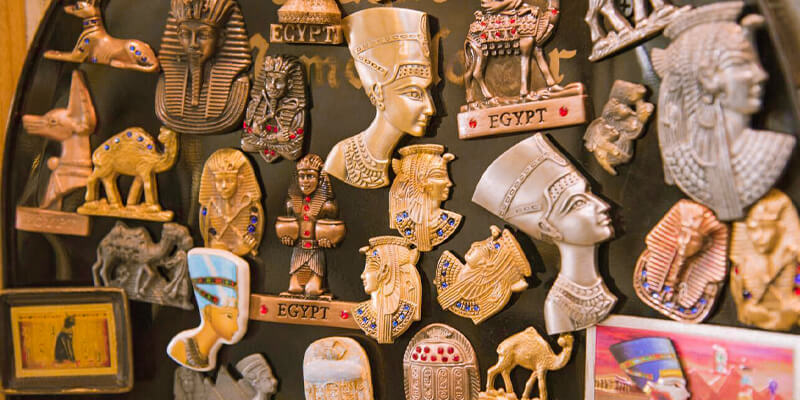
What to buy in Egypt in 2026 is one of the most common questions tr...
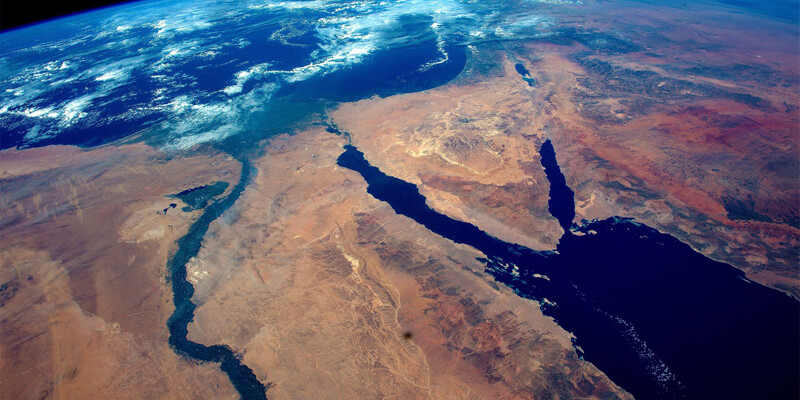
Where is located Egypt? Many travellers and readers search this exa...


We offer tours to Egypt’s most famous destinations such as the Pyramids and Sphinx in Giza, Karnak Temple and Luxor, Valley of the Kings, Sharm El Sheikh and Hurghada for beaches and diving, and Alexandria.
We provide organized tours, luxury hotel and resort bookings, comfortable transportation services, experienced tour guides, and activity ticket bookings such as diving, desert safaris, and Nile cruises.


