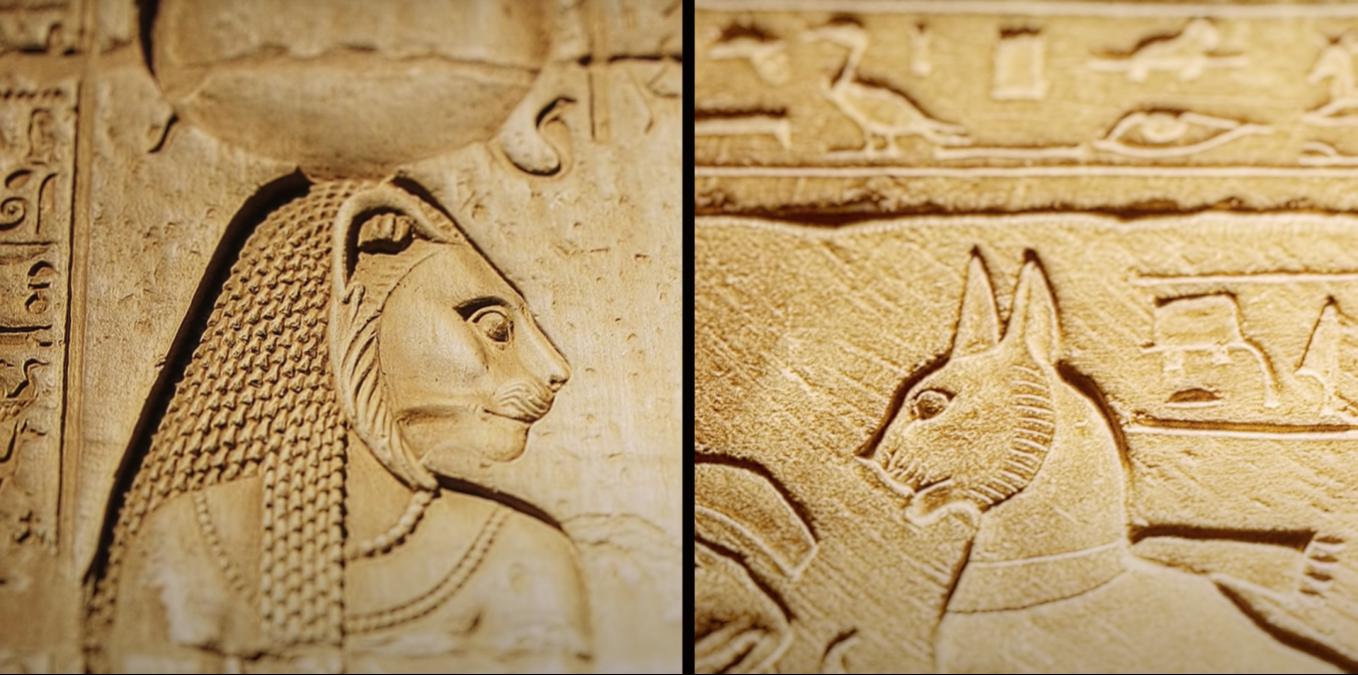
The story of bastet egyptian goddess begins thousands of years ago ...

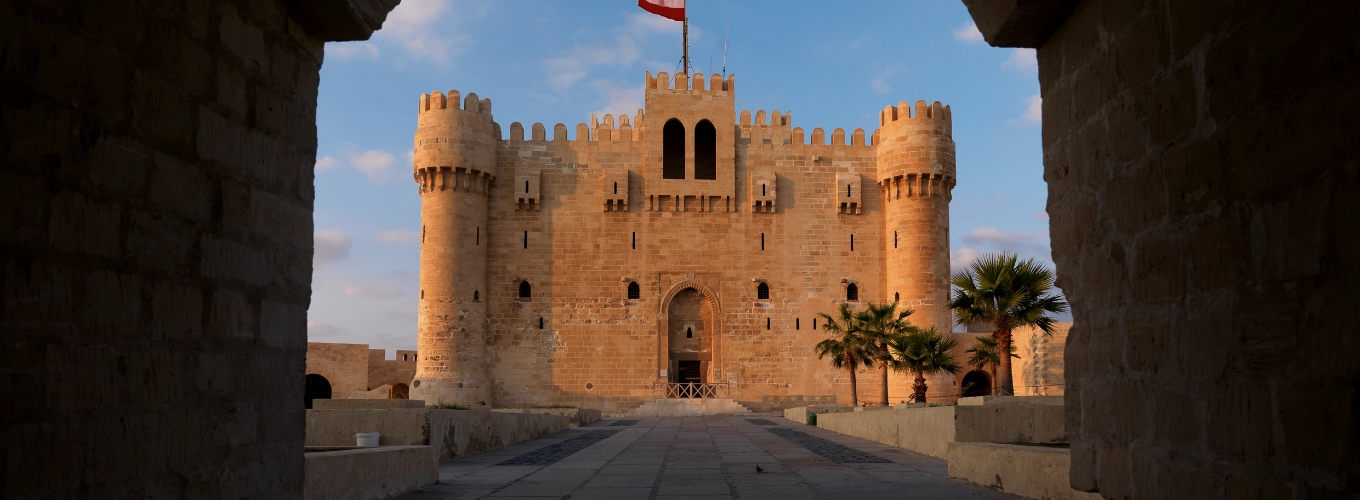
Citadel of Qaitbay rises majestically at the eastern tip of Alexandria historic harbor. Though often overshadowed by larger Egyptian monuments, this fortress offers a uniquely intimate glimpse into Egypt’s medieval period. In 2025, it remains a must-visit for travelers seeking both coastal charm and deep history, combining strategic military design with breathtaking seaside scenery.
Key Takeaways:

Constructed in 1477 CE by Sultan Al-Ashraf Sayf al-Din Qa’it Bay, the Citadel of Qaitbay was designed to defend Alexandria against Ottoman naval threats. By building the fortress on the ruins of the famed Lighthouse of Alexandria (one of the Seven Wonders of the Ancient World), Sultan Qa’it Bay linked his reign to both Egypt’s Pharaonic legacy and the spirit of medieval fortification.
Over centuries, the citadel witnessed shifts in power—from Mamluk to Ottoman, to brief French control under Napoleon, and finally, to modern Egyptian administration. Each era left architectural and cultural footprints, making the site a living document of Alexandria’s multifaceted past.
The citadel’s walls rise nearly 20 meters above ground, constructed from local limestone blocks. Thick at the base and tapering toward the top, they exemplify Mamluk engineering aimed at withstanding cannon fire and siege weaponry.
Four semicircular bastions anchor the citadel’s corners. Each bastion features arrow slits and artillery embrasures, allowing defenders to cover every approach. The eastern bastion, facing the Mediterranean, served as the main artillery platform.
Inside, a rectangular keep houses the governor’s residence and garrison quarters. The courtyard’s marble pavements and arched arcades illustrate an elegant blend of military utility and refined aesthetic.
Despite its martial purpose, the fortress includes decorative inscriptions and geometric stone carvings. Arabic calligraphy over the main gate dedicates the monument to Sultan Qa’it Bay, while decorative niches break the austerity of the stone walls.
In 2025, official guided tours are available in Arabic, English, French, Spanish, and Italian. Expert guides narrate tales of naval battles, Ottoman sieges, and local legends, enriching each visitor’s experience.
Modern displays within the citadel’s chambers showcase artifacts from various periods—cannonballs, pottery shards, and maritime tools recovered from underwater excavations. Touchscreen kiosks allow guests to explore 3D reconstructions of the Lighthouse of Alexandria.
Recent conservation work stabilized the citadel’s foundations and cleaned weathered stone. Visitors can now see restored crenellations and repaired stonework, ensuring the fortress’s survival for future generations.
A newly added terrace on the southwest bastion provides unobstructed views of the Mediterranean coastline and the Alexandria skyline. Sturdy railings and interpretive panels highlight visible landmarks, making it a photographer’s favorite spot.
For optimal lighting and fewer crowds, plan an early morning visit (9:00 AM–11:00 AM) or late afternoon (3:00 PM–5:00 PM). In the cooler months (March–May and September–November), temperatures hover between 20 °C and 28 °C, ideal for exploring.
During Ottoman expansion, the fortress withstood an eight-day siege before surrendering. On guided tours, visitors hear accounts of cannon exchanges, nighttime raids, and the eventual handover to Ottoman admiral Hadım Sinan Pasha.
Local lore tells of a phantom light appearing atop the citadel on moonless nights—believed to be the ancient lighthouse’s spirit guiding lost sailors. While unverified, the tale enhances the site’s mystique.
Stretching 20 kilometers along the sea, the Corniche is lined with cafes, fish markets, and ice-cream stalls. A stroll before or after your citadel visit offers lively street scenes and seaside relaxation.
Housed in a restored Italian-style palace, the museum presents artifacts from Pharaonic, Greek, Roman, and Islamic periods. Interactive timelines and dioramas provide context for the citadel’s place in Alexandria’s broader history.
A short taxi ride away, these underground tombs blend Pharaonic, Greek, and Roman art. Visitors moving from the citadel to the catacombs experience a fascinating journey from military stronghold to funerary art.
Local seafood restaurants along the Corniche serve grilled fish, shrimp sayadeya, and calamari. Look for family-run spots where catch-of-the-day menus change hourly.
Small cafés adjacent to the citadel offer mint tea, strong coffee, and freshly baked fiteer meshaltet. Sit at a terrace table and watch fishing boats pass by.
For a quick bite, try koshari stands near the Kuwaiti Hospital stop. This classic Egyptian mix of rice, lentils, pasta, and zesty tomato sauce is both filling and budget‑friendly.
The Citadel of Qaitbay symbolizes Alexandria’s strategic importance through the ages. It stands at the crossroads of Mediterranean trade routes, medieval power struggles, and modern tourism. In 2025, it serves as both a guardian of heritage and a beacon for sustainable cultural tourism, inspiring travelers to appreciate Egypt’s diverse historical layers.
Explore the town where the Rosetta Stone was discovered in 1799. Ottoman-era architecture, riverside cafes, and quiet backstreets make for a relaxing contrast to Alexandria’s bustle.
Venture into the desert outskirts for Bedouin-style eco-lodges, camel treks, and ancient oasis sites. Ideal for travelers seeking both cultural immersion and off-the-grid adventure.
The site of Napoleon’s 1798 naval defeat, Abu Qir offers underwater archaeology tours. Swim or snorkel among submerged ruins and learn about one of Europe’s most famous military campaigns.
In a world where travelers seek authentic, meaningful experiences, this fortress delivers on multiple fronts:
Citadel of Qaitbay is more than an ancient fortress—it’s a storyteller, a guardian, and a living monument where every stone has a story. As part of any 2025 travel itinerary to Egypt, it combines military might, architectural elegance, and coastal splendor in one unforgettable experience.
Whether you’re a history buff, a photography enthusiast, or simply seeking the magic of Alexandria’s shores, this citadel promises inspiration at every turn. Plan your visit today, and let the fortress of Sultan Qa’it Bay transport you through time.
The story of bastet egyptian goddess begins thousands of years ago ...
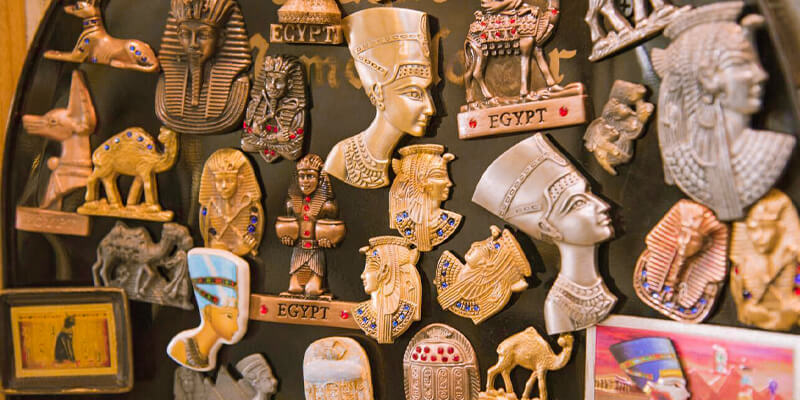
What to buy in Egypt in 2026 is one of the most common questions tr...
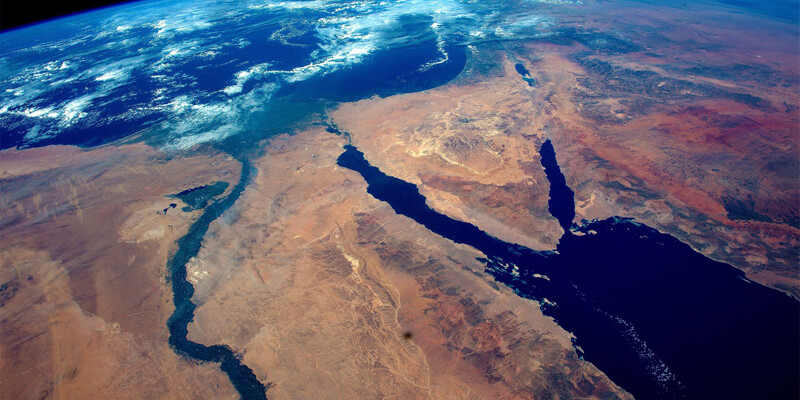
Where is located Egypt? Many travellers and readers search this exa...


We offer tours to Egypt’s most famous destinations such as the Pyramids and Sphinx in Giza, Karnak Temple and Luxor, Valley of the Kings, Sharm El Sheikh and Hurghada for beaches and diving, and Alexandria.
We provide organized tours, luxury hotel and resort bookings, comfortable transportation services, experienced tour guides, and activity ticket bookings such as diving, desert safaris, and Nile cruises.


