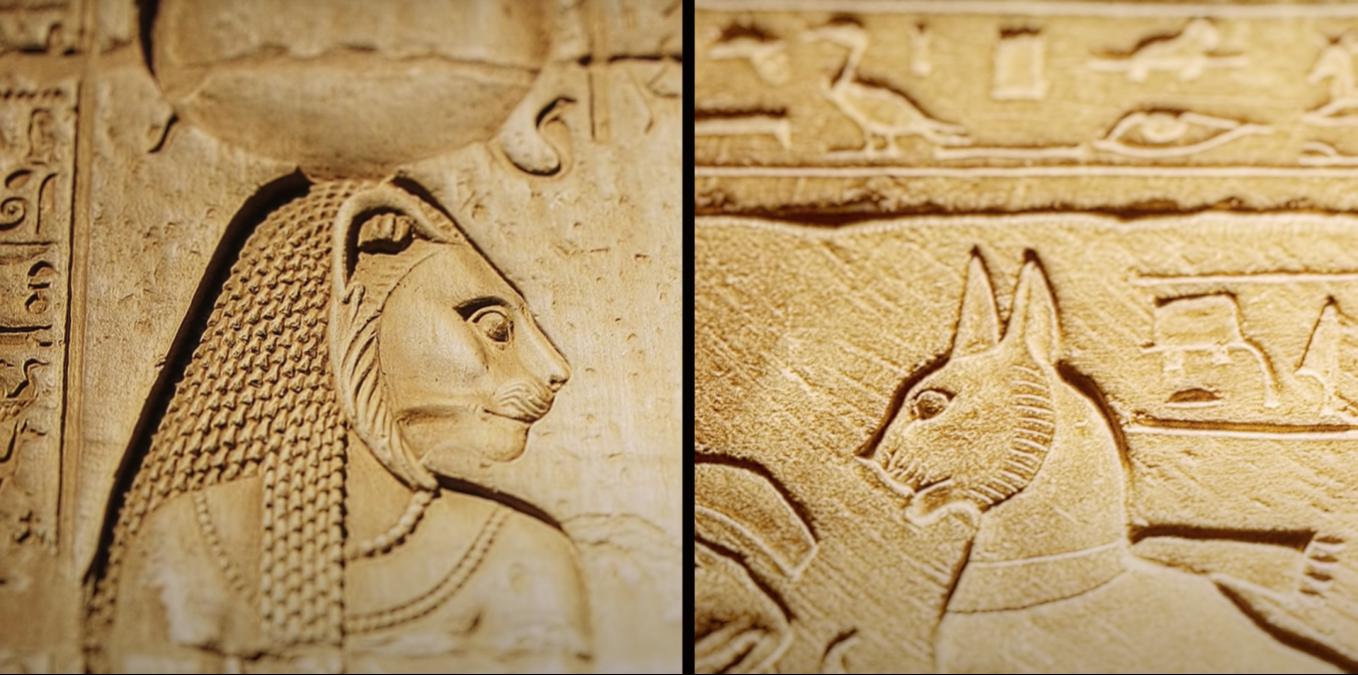
The story of bastet egyptian goddess begins thousands of years ago ...

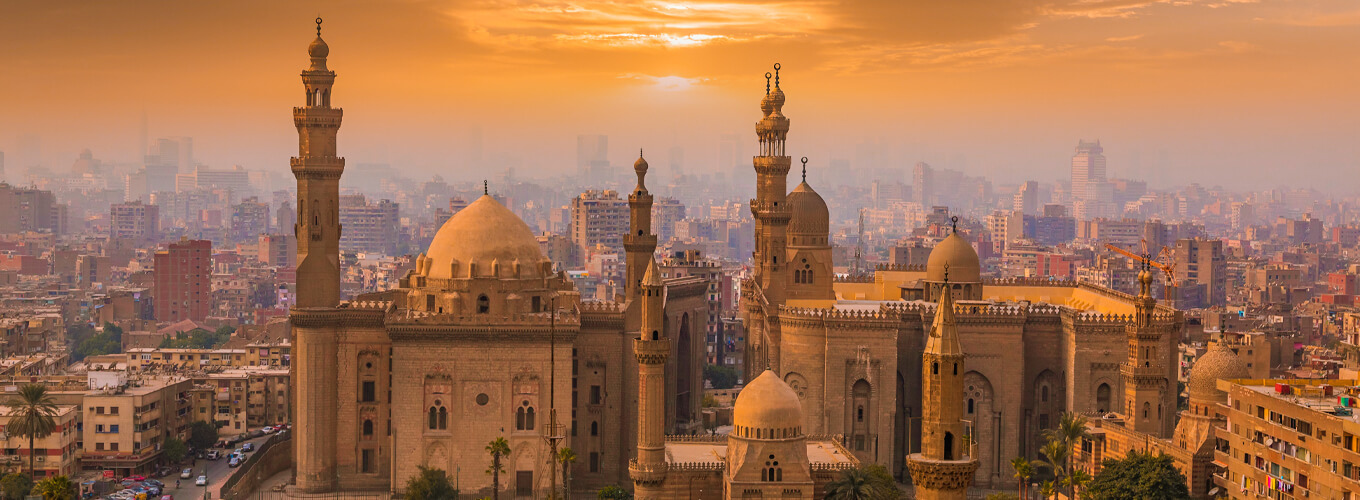
Islamic Cairo is one of the most captivating districts a traveler can explore in the Egyptian capital. Unlike a single monument, this historic quarter is an entire living museum filled with mosques, madrasas, palaces, and bustling souks. Walking through its narrow alleys and monumental streets, you step back into centuries of Islamic history that shaped Cairo into the “City of a Thousand Minarets.
” Travelers who visit Islamic Cairo are not just touring architectural wonders; they are immersing themselves in a vibrant cultural hub where history, spirituality, and everyday life converge. From iconic landmarks like Al-Azhar Mosque and the Citadel to the lively Khan El Khalili Bazaar, every corner offers a story waiting to be discovered.

Islamic Cairo emerged as a distinct district during the Fatimid period, beginning in 969 when the dynasty established Cairo as their capital. The Fatimids constructed Al-Azhar Mosque and the surrounding palaces, laying the foundations for what would become the spiritual and intellectual center of the Islamic world. Over the centuries, successive dynasties—Ayyubid, Mamluk, and Ottoman—left their marks by adding mosques, madrasas, and caravanserais that enriched the city’s landscape.
One of the unique aspects of Islamic Cairo is how its urban fabric reflects continuous layering of history. The Mamluks, in particular, built some of the most striking monuments, including Sultan Hassan Mosque and the Qalawun Complex, showcasing both grandeur and refined architectural details. Later, the Ottomans introduced their own style, blending local traditions with Ottoman domes and minarets.
By the medieval era, Islamic Cairo was recognized not only for its architecture but also for its role as a hub of scholarship and trade. Institutions like Al-Azhar became centers of learning that attracted students from across the Muslim world. Meanwhile, bustling markets connected merchants from Africa, Asia, and Europe, solidifying Cairo’s reputation as a cosmopolitan city.
For travelers today, exploring Islamic Cairo is like reading chapters of history written in stone and marble. Each building, gate, and alley reflects the power and vision of the rulers who built them, offering visitors a rare chance to experience a living timeline of Islamic civilization.
One of the main reasons travelers are drawn to Islamic Cairo is its unparalleled collection of architectural masterpieces. The district is home to some of the world’s most remarkable Islamic monuments, each with its own story and style.
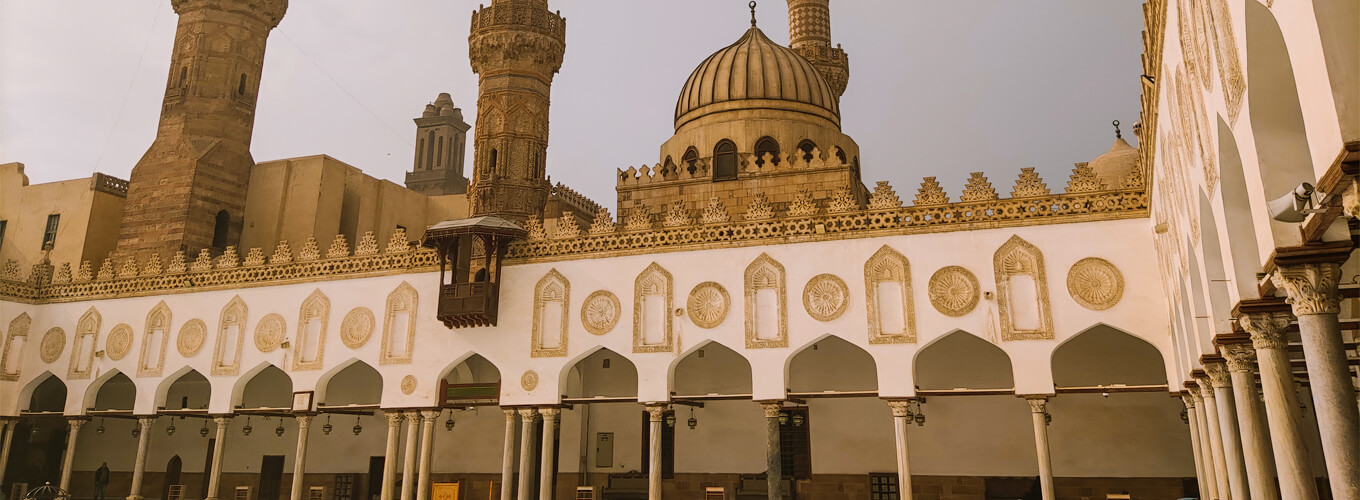
At the heart lies Al-Azhar Mosque, founded in 972 and still one of the most important centers of Islamic learning. Its mix of Fatimid, Mamluk, and Ottoman additions makes it a living example of Cairo’s evolving architecture. Just nearby, the Mosque of Sultan Hassan impresses visitors with its massive scale and majestic prayer halls.
Another standout is the Al-Hakim Mosque, with its unique minarets that reflect Fatimid architectural experimentation. The Citadel of Saladin, perched on a hill, provides panoramic views of Cairo along with the impressive Mosque of Muhammad Ali, often called the “Alabaster Mosque.”
Wandering along Al Muizz Street, travelers encounter a continuous stretch of monuments, including madrasas, sabils, mausoleums, and merchant houses. This street alone is considered one of the largest collections of medieval Islamic architecture in the world.
What makes these sites so captivating is their diversity—each dynasty contributed its own aesthetic. The Fatimids favored austere but elegant forms, the Mamluks built with intricate stonework and decorative facades, while the Ottomans added domes and slender minarets. For travelers, this variety means no two monuments feel alike, creating a dynamic experience that blends education with visual delight.
Beyond monuments, Islamic Cairo is a living quarter where spirituality and culture blend seamlessly. Mosques here are not mere relics; they continue to serve as active places of worship, allowing visitors to experience authentic religious life. Attending a prayer or simply sitting quietly in a courtyard offers a sense of peace that contrasts with the busy streets outside.
Al-Azhar Mosque remains an epicenter of Islamic scholarship, drawing students from around the world. Its libraries and schools continue to function, making it one of the oldest universities still in operation. Visitors often marvel at the sight of young students reciting lessons, a tradition preserved for over a millennium.
Culturally, Islamic Cairo is rich with traditions that thrive alongside its history. Sufi gatherings, religious festivals, and cultural events often take place in this area, giving travelers opportunities to witness practices that have endured for centuries. Evening strolls sometimes reveal music performances or local celebrations that create an atmosphere full of life.
For many visitors, the highlight is simply soaking in the ambiance of daily life here. Residents live among the monuments, running shops, markets, and cafes that give the district its soul. This makes Islamic Cairo more than an open-air museum—it is a community where history and modernity coexist, offering travelers a deeply authentic cultural experience.
A trip to Islamic Cairo is incomplete without walking down Al-Muizz Street, often called an open-air museum of Islamic architecture. Stretching for nearly a kilometer, the street is lined with monuments from different dynasties, including mosques, madrasas, and palaces. Restoration efforts have turned parts of it into a beautifully preserved pedestrian zone, making it an ideal starting point for exploration.
Along the way, travelers encounter highlights such as the Qalawun Complex, a striking Mamluk structure that combines a madrasa, hospital, and mausoleum. The Mosque of Sultan Barquq and the Sabil-Kuttab of Katkhuda showcase the artistry of Islamic decorative work, with ornate facades and elegant calligraphy.
Nearby lies Khan El Khalili Bazaar, Cairo’s most famous market. Established in the 14th century, it remains a bustling hub of trade where travelers can shop for everything from spices and jewelry to traditional lamps and handmade crafts. Beyond shopping, the bazaar offers a sensory experience with its narrow alleys, lively bargaining, and the aroma of coffee and street food.
Sitting in one of the historic cafes, such as the legendary El Fishawy, allows travelers to pause, enjoy a cup of tea, and watch the rhythm of Cairo life unfold. This combination of monumental architecture and vibrant street life makes Al-Muizz Street and Khan El Khalili an unmissable part of any journey into Islamic Cairo.
Travelers planning a visit to Islamic Cairo should set aside at least a full day to explore its treasures, though several days are ideal for a deeper experience. The district is located in central Cairo and is easily accessible by taxi, ride-sharing apps, or even on foot from nearby neighborhoods.
Comfortable walking shoes are essential, as much of the area is best explored on foot. Modest dress is recommended, particularly for entering mosques—men and women should cover shoulders and knees, while women may also wish to carry a scarf for head covering. Many mosques provide coverings at the entrance if needed.
It is advisable to visit early in the morning or late afternoon to avoid the midday heat. Hiring a local guide can enhance the experience by providing insights into architectural details and hidden stories that most visitors might miss. Many travel agencies offer guided tours that combine Islamic Cairo with other attractions such as Coptic Cairo or the Egyptian Museum.
Visitors should also carry cash for small purchases, donations, or entry fees to certain monuments. Photography is generally allowed, but asking for permission is always courteous. Staying hydrated and taking breaks at cafes or shaded courtyards will make the day more enjoyable. With good planning, exploring Islamic Cairo becomes both manageable and unforgettable.
Islamic Cairo is not just a historic district—it is the heart of Cairo’s identity and a gateway to understanding Egypt beyond the pyramids. With its extraordinary collection of mosques, palaces, and markets, it offers travelers an immersive journey into over a thousand years of history. At the same time, its living culture ensures the experience feels vibrant and authentic rather than static.
Standing in front of a Mamluk facade, listening to the call to prayer echo across minarets, or sipping tea in a centuries-old café allows visitors to feel the pulse of a city that has always been a crossroads of civilizations. Whether you are passionate about architecture, interested in spirituality, or simply eager to explore a unique cultural setting, Islamic Cairo delivers an experience that is as educational as it is inspiring.
For any traveler planning a trip to Egypt, Islamic Cairo is essential. It is where history and modern life merge seamlessly, offering memories that linger long after the journey ends.
The story of bastet egyptian goddess begins thousands of years ago ...
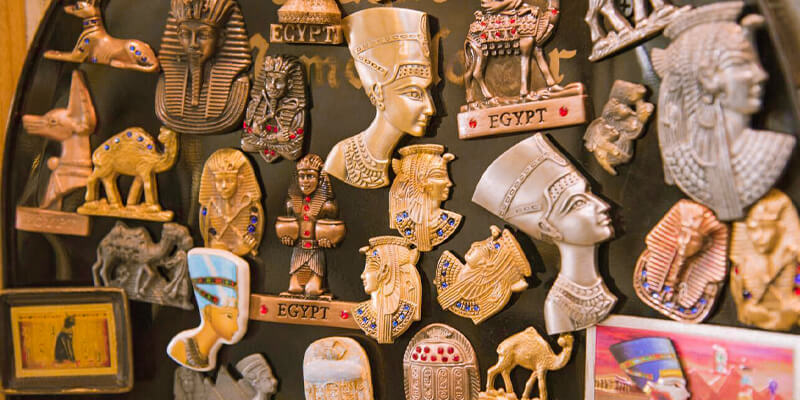
What to buy in Egypt in 2026 is one of the most common questions tr...

Where is located Egypt? Many travellers and readers search this exa...


We offer tours to Egypt’s most famous destinations such as the Pyramids and Sphinx in Giza, Karnak Temple and Luxor, Valley of the Kings, Sharm El Sheikh and Hurghada for beaches and diving, and Alexandria.
We provide organized tours, luxury hotel and resort bookings, comfortable transportation services, experienced tour guides, and activity ticket bookings such as diving, desert safaris, and Nile cruises.


