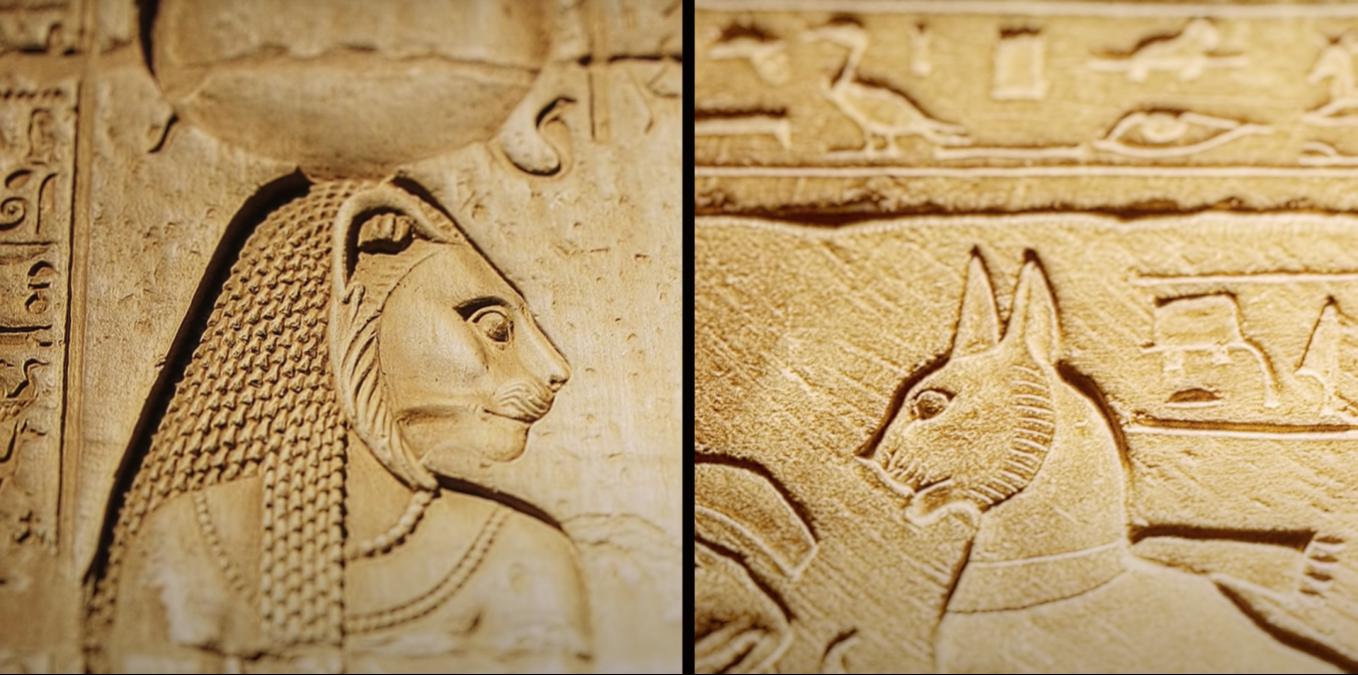
The story of bastet egyptian goddess begins thousands of years ago ...

Valley of the Kings is one of the most extraordinary archaeological sites in the world, a royal burial ground that has fascinated travelers, historians, and explorers for centuries. Nestled on the West Bank of Luxor, this valley holds the tombs of pharaohs and nobles from Egypt’s New Kingdom period.
From the legendary tomb of Tutankhamun to the grand resting places of Ramses II and Seti I, the valley offers a journey deep into the beliefs, artistry, and funerary traditions of ancient Egypt. For modern travelers, visiting the Valley of the Kings is not only about exploring beautifully decorated tombs but also about experiencing the sense of mystery and discovery that has inspired adventurers for generations.

The Valley of the Kings became the focus of exploration as early as antiquity, but systematic excavation began in the 18th and 19th centuries. Early travelers and explorers often stumbled upon tombs, leaving graffiti that still survives today. However, the true age of discovery came with archaeologists like Giovanni Belzoni in the early 1800s and later Howard Carter, who uncovered the intact tomb of Tutankhamun in 1922.
That discovery stunned the world and placed the Valley firmly in the spotlight of global attention. Since then, new tombs and chambers have continued to be found, revealing more about the daily life, religious beliefs, and burial practices of the New Kingdom. For visitors, this history of discovery adds a sense of excitement, as every step into the valley feels like walking in the footsteps of explorers and archaeologists who unraveled Egypt’s secrets.
The tombs in the Valley of the Kings were carved deep into the limestone hills, with corridors, chambers, and burial halls designed to protect the pharaoh’s body and treasures for eternity. Each tomb follows a symbolic architectural plan: a descent from sunlight into darkness, representing the pharaoh’s journey to the afterlife.
Walls are decorated with vivid paintings and carvings illustrating scenes from sacred texts such as the Book of the Dead, the Book of Gates, and the Amduat. These images were meant to guide the deceased through the underworld and ensure rebirth. The artistry is breathtaking, with brilliant colors that have survived thousands of years. Travelers are often astonished by the scale and beauty of the tombs, each one a unique expression of ancient Egyptian religious thought and craftsmanship.
Perhaps the most famous tomb in the Valley of the Kings is that of Tutankhamun. Discovered almost completely intact in 1922, it contained treasures that dazzled the world, from the golden funerary mask to jewelry, weapons, and daily-use objects. Although smaller than other royal tombs, the significance of Tutankhamun’s burial lies in its preservation and the insight it provides into royal life during the 18th Dynasty.
Visitors today can step into the tomb and see the young king’s mummy displayed, as well as vibrant wall paintings that depict him with deities. For many travelers, standing inside the tomb of Tutankhamun is a once-in-a-lifetime moment that connects them directly with one of the most celebrated chapters in Egypt’s history.
Beyond Tutankhamun’s tomb, the Valley is home to more than 60 burial sites, each with its own significance. The tomb of Seti I is considered one of the most beautiful, with intricate reliefs and expansive corridors. The tomb of Ramses VI impresses with its ceiling paintings of astronomical scenes. Ramses III’s tomb showcases detailed depictions of daily life and battle scenes.
Other lesser-known but equally captivating tombs include those of Thutmose III and Amenhotep II. Exploring these tombs allows travelers to appreciate the diversity of design and symbolism, as well as the evolution of burial practices across centuries. Each tomb tells its own story, offering glimpses into royal power, religious devotion, and the timeless quest for eternal life.
The Valley of the Kings was chosen as a burial site because of its natural landscape and religious significance. The pyramid-shaped peak of al-Qurn, overlooking the valley, symbolized the primeval mound associated with creation and rebirth. This made the location spiritually powerful, aligning with the pharaohs’ desire for eternal life. Tombs were not simply graves but sacred spaces designed to ensure the king’s safe passage into the afterlife. Rituals performed during burial ceremonies invoked gods such as Osiris and Ra, reflecting the belief in resurrection. For modern travelers, understanding these religious connections enriches the visit, turning the Valley from a historical site into a place of spiritual and cultural resonance.
Today, the Valley of the Kings is one of Luxor’s top attractions, drawing thousands of travelers every year. The site is managed with great care, with tombs opened on a rotating basis to protect them from damage caused by humidity and crowds. Visitors purchase entrance tickets, which typically include access to three tombs of their choice, while special tickets are required for Tutankhamun, Seti I, and Ramses VI. Pathways are well-marked, and electric carts are available for easier access. Guides can be hired to provide in-depth explanations of the tombs’ art and history, turning the visit into a more meaningful journey. Standing in the valley, surrounded by desert cliffs and silence, travelers experience a profound sense of awe that no book or photograph can fully capture.
The Valley of the Kings is best explored as part of a guided tour. Travel agencies, including ours, arrange visits with professional Egyptologists who bring the site’s history to life. A typical West Bank tour includes not only the Valley but also the Temple of Hatshepsut, the Colossi of Memnon, and Medinet Habu Temple. For a richer experience, some travelers combine the valley visit with a hot air balloon ride at sunrise, offering a breathtaking aerial view of Luxor’s ancient landscape. Private tours provide flexibility, while group tours are cost-effective and social. Our itineraries are tailored to suit different interests and timeframes, ensuring that every traveler enjoys a seamless and unforgettable journey.
Visiting the Valley requires some preparation. Comfortable walking shoes and light clothing are essential, as the terrain is rocky and the climate hot. Bringing water and sun protection is highly recommended. Photography inside tombs is limited, so travelers should check regulations in advance. Arriving early in the morning avoids the midday heat and crowds, making the experience more pleasant. Hiring a guide enhances understanding of the artwork and symbolism. For families, planning shorter visits with breaks ensures everyone enjoys the experience. With the right preparation, exploring the Valley becomes a rewarding adventure that balances comfort with cultural enrichment.
The Valley of the Kings is a UNESCO World Heritage Site, recognized for its outstanding universal value. It represents not only the power of the pharaohs but also the artistic and spiritual achievements of ancient Egypt. For the modern tourism industry, it is a cornerstone attraction, drawing travelers from around the globe and supporting local communities. The valley’s preservation ensures that future generations can continue to marvel at its wonders. For travelers, visiting this site is more than sightseeing—it is an encounter with humanity’s shared heritage and a reminder of the timeless fascination with life, death, and the eternal quest for immortality.
The story of bastet egyptian goddess begins thousands of years ago ...
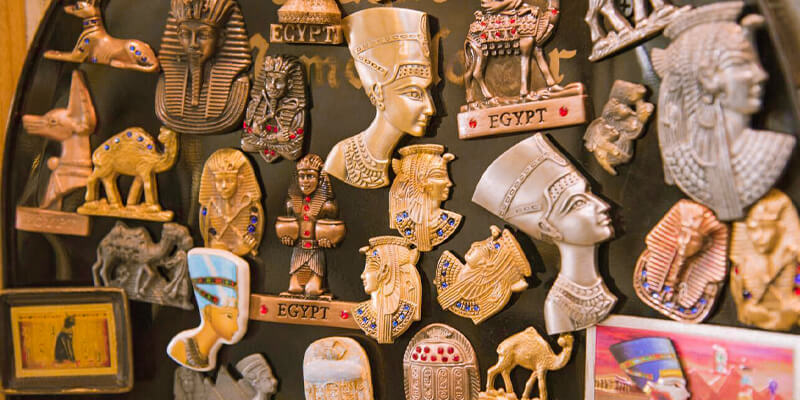
What to buy in Egypt in 2026 is one of the most common questions tr...
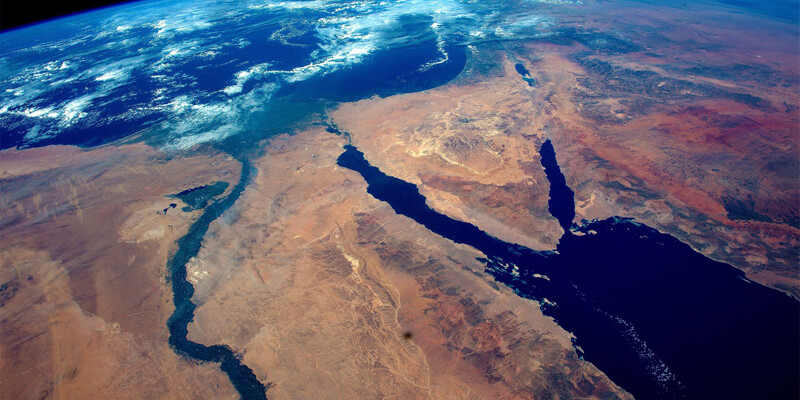
Where is located Egypt? Many travellers and readers search this exa...


We offer tours to Egypt’s most famous destinations such as the Pyramids and Sphinx in Giza, Karnak Temple and Luxor, Valley of the Kings, Sharm El Sheikh and Hurghada for beaches and diving, and Alexandria.
We provide organized tours, luxury hotel and resort bookings, comfortable transportation services, experienced tour guides, and activity ticket bookings such as diving, desert safaris, and Nile cruises.


