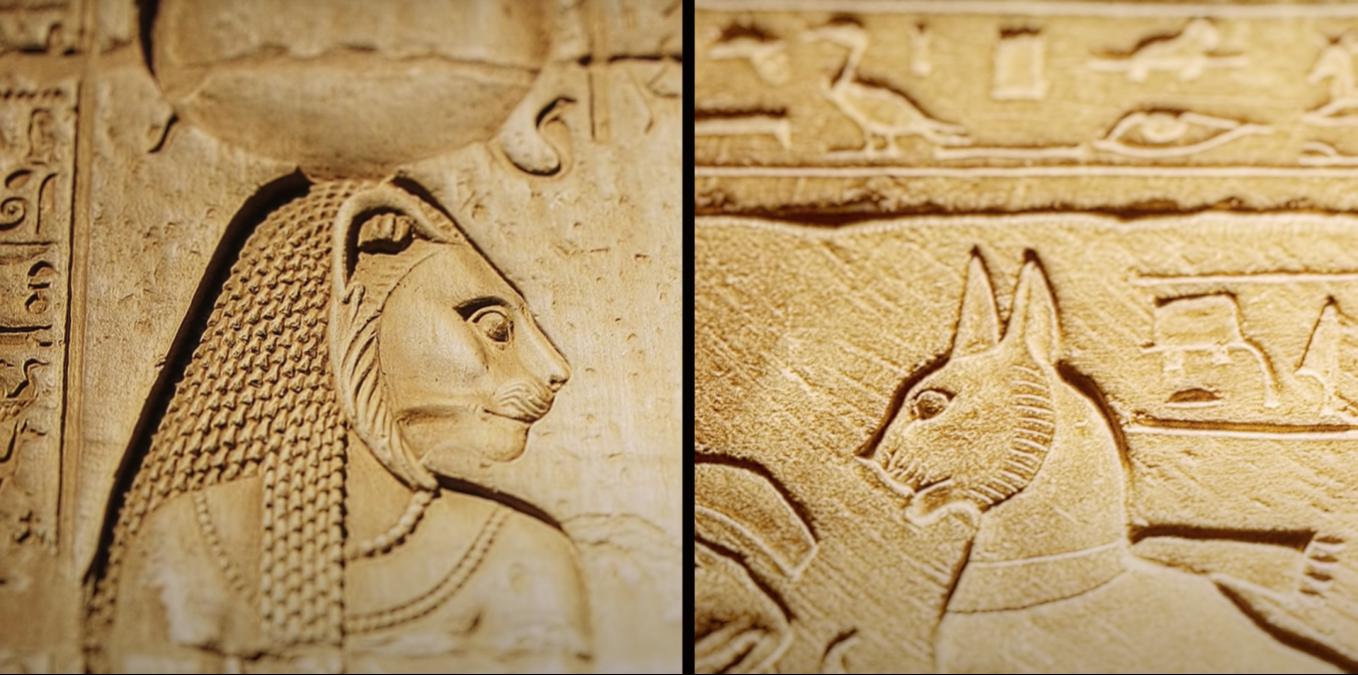
The story of bastet egyptian goddess begins thousands of years ago ...

Unfinished Obelisk is one of the most fascinating ancient sites in Aswan, offering a unique window into the techniques and ambitions of ancient Egyptian stonework. Unlike other monuments that were completed and raised in honor of gods or pharaohs, this colossal structure remains embedded in its original bedrock, frozen in time by a crack that halted its construction. Today, it stands as a remarkable archaeological site, showcasing the scale, tools, and skill of the civilization that once ruled the Nile Valley.

To appreciate the significance of the Unfinished Obelisk, it’s important to understand the cultural and religious symbolism of obelisks in ancient Egypt. Obelisks were traditionally erected at the entrances of temples and were closely associated with the sun god Ra. They were believed to channel the sun’s energy and were typically constructed in pairs, their towering forms meant to represent rays of sunlight solidified in stone.
Carved from a single block of granite, obelisks symbolized divine power and royal authority. Each one bore inscriptions glorifying the reigning pharaoh and honoring the gods. Their construction required not only tremendous labor but also a sophisticated understanding of stone-cutting and transportation.
The Unfinished Obelisk is located in the northern region of the Aswan granite quarries, just a short distance from the modern city. These quarries supplied much of the red and pink granite used in the construction of ancient monuments throughout Egypt, including the pyramids and temples as far north as Cairo.
This particular obelisk was likely commissioned by Queen Hatshepsut, one of the most successful pharaohs of ancient Egypt. If completed, it would have stood over 40 meters tall and weighed around 1,200 tons, making it the largest known obelisk ever attempted. The sheer size would have surpassed any existing obelisk, showcasing the ambition of its patron and the capabilities of ancient craftsmen.
The project was unexpectedly halted when a large crack developed in the granite during excavation. Rather than attempting to repair the stone or extract a smaller piece, the workers abandoned the project entirely, leaving the obelisk partially detached from the bedrock. This decision turned what could have been one of Egypt’s crowning architectural achievements into a rare and invaluable archaeological resource.
Because the obelisk was never moved from its original location, it provides an exceptional opportunity to study ancient quarrying methods. Tool marks and carving techniques remain visible, offering insight into how large stone monuments were shaped and prepared for transport.
Today, the site of the Unfinished Obelisk functions as an open-air museum. Visitors can explore the quarry and observe the unfinished structure lying in its bed of granite. The surrounding area is dotted with chisel marks, trench outlines, and the remnants of ancient tools, such as dolerite stones used to pound and smooth the granite surface.
Walking around the obelisk, one gains a tangible sense of the labor involved. It’s easy to imagine the hundreds of workers who would have toiled in the intense desert heat, using simple tools and remarkable precision to shape such a massive object from solid rock. Interpretive signs and guided tours enhance the experience by providing historical context and explaining the quarrying process in detail.
The methods used to construct obelisks in ancient Egypt remain a subject of admiration and academic study. Unlike today’s machine-assisted techniques, the ancient Egyptians relied on manual labor and rudimentary tools made of harder stones. Workers would first outline the desired shape by carving trenches around the slab. Then, they would use pounding stones to chip away at the base, gradually freeing the monument from the bedrock.
Once the obelisk was separated, it had to be transported—no small feat considering its enormous weight. Scholars believe that obelisks were hauled using sleds, lubricated tracks, and an immense workforce. The Nile River likely played a crucial role, allowing the obelisks to be floated to their final destinations during high water levels.
In the case of the Unfinished Obelisk, the crack that appeared during quarrying would have compromised the structure’s integrity, making it unsafe to transport or erect. Rather than risk a catastrophic failure, the builders wisely chose to abandon the project.
The value of the Unfinished Obelisk extends beyond its size or the story of its failure. The site has contributed significantly to our understanding of ancient Egyptian stoneworking and labor organization. It also offers rare archaeological evidence of tools and methods that were otherwise lost to history.
Some scholars suggest that the unfinished state of the monument is more valuable than a completed obelisk because it allows modern observers to witness a snapshot of ancient craftsmanship in action. It captures the intersection of ambition, technology, and human limitation—a rare and humbling moment preserved in stone.
Travelers interested in ancient history or engineering will find the Unfinished Obelisk a rewarding destination. It is conveniently located within Aswan and easily accessible by taxi, guided tour, or on foot from various parts of the city. The site is open daily and generally less crowded than more famous locations, allowing for a relaxed and contemplative visit.
Entry tickets are affordable, and the experience is enhanced when accompanied by a local guide who can explain the history and techniques in more detail. While the site may appear simple at first glance, a guided tour can bring its hidden stories and significance to life.
The ideal time to visit the Unfinished Obelisk is between October and April, when temperatures are cooler and more comfortable for outdoor exploration. Mornings and late afternoons offer the best lighting for photography and provide some relief from the midday sun.
Visitors who plan their itinerary around this period can also enjoy nearby attractions such as Philae Temple, the Aswan High Dam, and a felucca ride on the Nile. Many comprehensive Egypt tours include the Unfinished Obelisk as part of a day trip within Aswan, making it easy to incorporate into a broader travel plan.
Aswan is home to several key historical and cultural landmarks. Pairing a visit to the Unfinished Obelisk with nearby sites can provide a more complete picture of the region’s importance in ancient and modern times. Highlights include:
These attractions are all located within a short distance from each other, allowing travelers to enjoy a full day of exploration without excessive travel time.
When planning your visit to the Unfinished Obelisk, it’s best to wear comfortable walking shoes and bring sun protection, such as a hat, sunglasses, and sunscreen. The site is largely exposed, with limited shade, so hydration is also important.
Photography is permitted, and the obelisk offers excellent opportunities for capturing close-up details of ancient stonework. Visitors interested in sketching or taking notes for educational purposes will find the site accommodating and quiet enough for focused observation.
Guided tours are readily available in multiple languages, and travel agencies often bundle this visit with transportation and other Aswan highlights. Booking through a trusted local agency ensures a smooth and enjoyable experience.
For anyone fascinated by ancient Egypt, the Unfinished Obelisk offers a unique kind of discovery. It’s not just a monument—it’s a workshop frozen in time. Unlike grand temples or polished statues, this site invites you into the process of creation. It shows the labor, the trial, and the moment when things didn’t go as planned. In doing so, it humanizes a civilization often viewed only through its achievements.
This is what makes the Unfinished Obelisk so valuable. It provides a rare, unfiltered look at how ancient Egyptians worked, planned, and problem-solved. It brings the viewer closer to the realities of life and labor in a world long past.
Visiting and supporting sites like the Unfinished Obelisk also contributes to their preservation. Entrance fees help fund ongoing maintenance and archaeological research. Responsible tourism ensures that future generations can continue to learn from and enjoy these irreplaceable treasures.
As interest in Egypt’s heritage grows, so does the need for thoughtful and respectful travel. By choosing to visit lesser-known but significant sites like this one, travelers help distribute economic benefits and reduce overcrowding at more famous locations.
The story of bastet egyptian goddess begins thousands of years ago ...
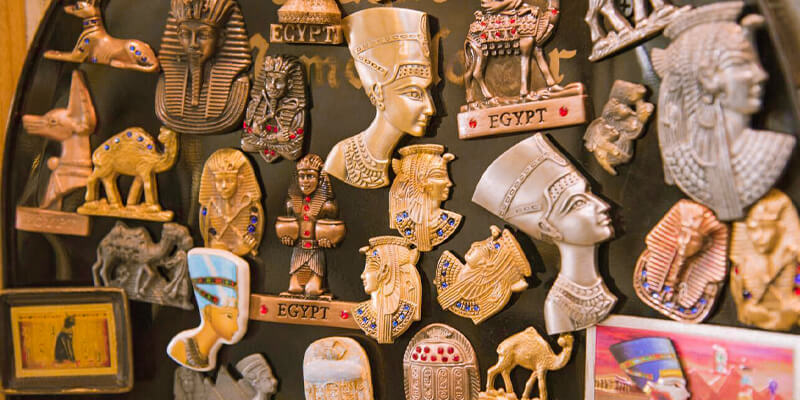
What to buy in Egypt in 2026 is one of the most common questions tr...
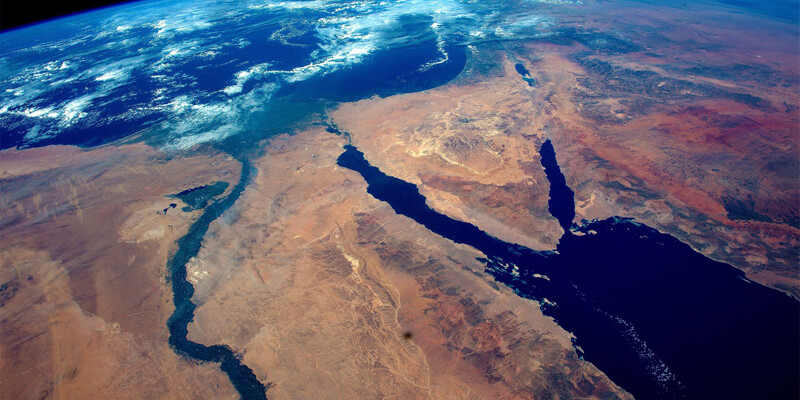
Where is located Egypt? Many travellers and readers search this exa...


We offer tours to Egypt’s most famous destinations such as the Pyramids and Sphinx in Giza, Karnak Temple and Luxor, Valley of the Kings, Sharm El Sheikh and Hurghada for beaches and diving, and Alexandria.
We provide organized tours, luxury hotel and resort bookings, comfortable transportation services, experienced tour guides, and activity ticket bookings such as diving, desert safaris, and Nile cruises.


