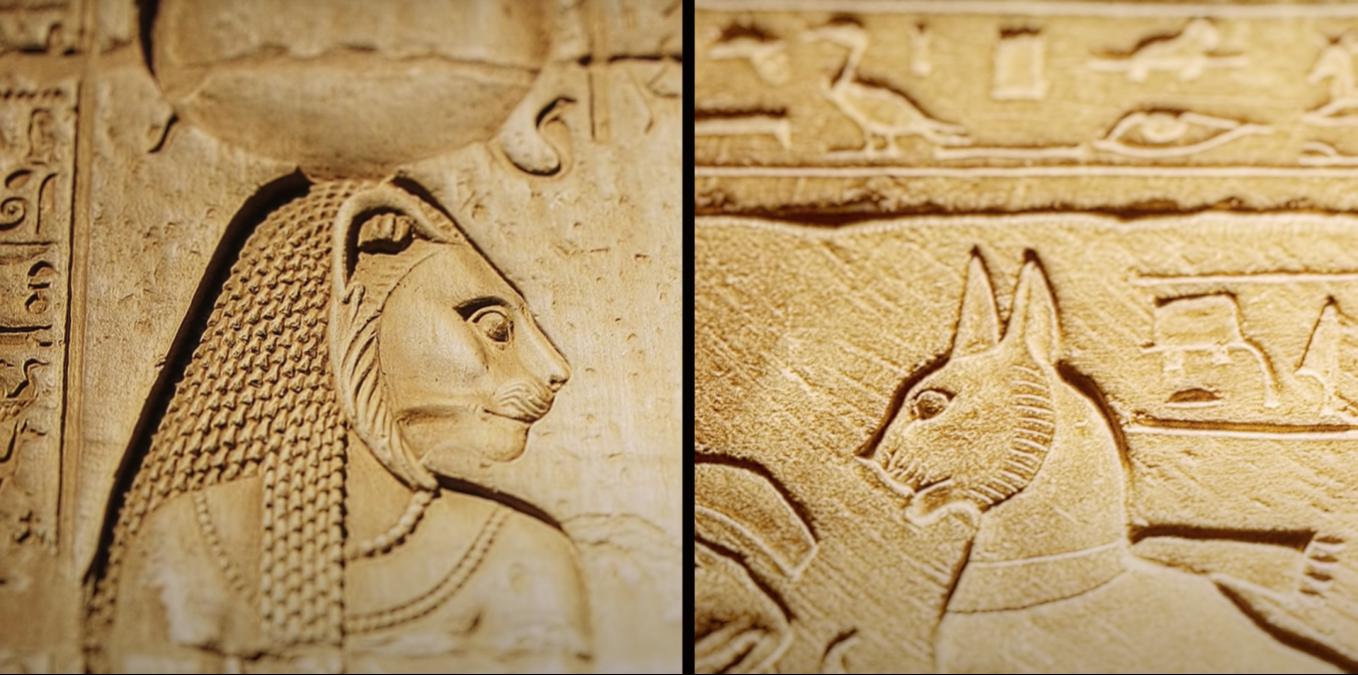
The story of bastet egyptian goddess begins thousands of years ago ...

Cairo boasts a variety of attractions that range from ancient history to contemporary creativity, making it a must-visit destination for anyone seeking a unique and adventure-filled experience. You can indulge in delicious foods and stunning views, creating many unforgettable memories in the process. Also You will also have the opportunity to meet diverse cultures and witness numerous historical landmarks and various monuments.
You can take sufficient time to relax and enjoy the Nile River. It will be a comprehensive journey that combines numerous benefits and makes it one of the best options for a vacation. In this article, we will explore the best places to see in Cairo.
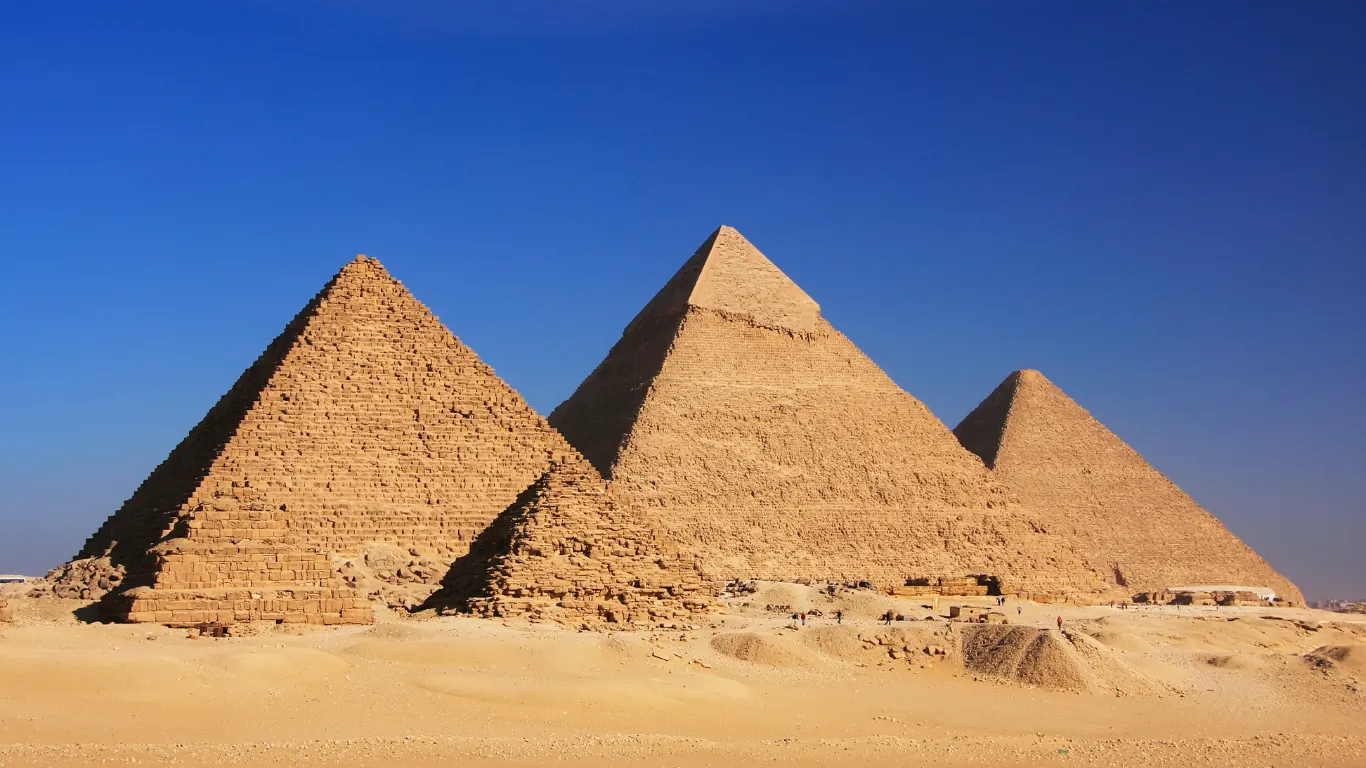
The Pyramids of Giza consist of three main pyramids, the most famous being the Great Pyramid of Khufu, which is considered the greatest structure on Earth. Built around 2580 – 2560 BC, the Great Pyramid is accompanied by the smaller Pyramid of Khafre and the least-sized Pyramid of Menkaure. To the east lies the Sphinx, which is believed to have a head representing King Khafre. There are also smaller monuments known as the queens’ pyramids, the causeways, and the valley pyramids. The Pyramids of Giza are among the most important places to see in Cairo.
The Pyramid of Khufu is the only remaining wonder of the Seven Wonders of the Ancient World. Its original height was 146 meters, and it currently stands at 137 meters, with a base length of 230 meters. The weight of its stones ranges from one ton to over eight tons. Despite the grandeur of this construction, only a small statue measuring about 7.5 cm has been found within it.
King Khufu named his pyramid “Ikhet Khufu,” meaning “Horizon of Khufu,” referring to the religious changes during his reign. The pyramid has not escaped destruction throughout the ages. Diodorus Siculus noted that its summit was a platform covered with gold, of which part was destroyed. Remnants of the surrounding wall are still visible on its eastern and northern sides, about 20 meters from the base of the pyramid.
The Pyramid of Khafre was constructed by King Khafre, the fourth king of the Fourth Dynasty and son of King Khufu. It is one of the most prominent pyramids in Giza, Egypt. Khafre ruled Egypt for twenty-six years and married Princess Meresankh. This pyramid is the second largest of the Giza pyramids but is shorter than his father’s pyramid. Its original height was 143 meters, and its current height is 136 meters, occupying an area of 215 square meters.
The Pyramid of Khafre is located southwest of the Pyramid of Khufu and features two entrances on the northern side, along with some preserved outer casing at its apex. Its design includes a descending corridor at a 22-degree angle, leading to a chamber mistakenly referred to as the burial chamber, which is empty and carved into the rock. Before ascending, the corridor leads to a horizontal passage that ends in a burial chamber with a corbelled ceiling made of limestone located within the pyramid. King Khafre referred to his pyramid as “The Great,” highlighting its historical and architectural significance.
The Pyramid of Menkaure is the smallest of the three main pyramids in the Giza pyramid complex, situated on the Giza Plateau southwest of Cairo. It is believed that this pyramid was built as a tomb for the Egyptian Pharaoh Menkaure, son of King Khafre, of the Fourth Dynasty. Each side of the pyramid measures 108.5 meters, with an original height of 65.5 meters that has eroded to 62 meters after the loss of its outer casing.
Its entrance is located on the northern side, rising about 4 meters above the ground and extending through a descending passageway that is 31 meters long at a 17-degree angle.
The pyramid was built from limestone and granite quarried from Aswan, and at the end of the passage is a chamber leading to the burial chamber, where a wooden sarcophagus bearing the name Menkaure was found, along with his mummy, which is preserved in the British Museum. Menkaure named his pyramid “The Sacred,” and to the south of it are three pyramids dedicated to the queens, including one for his wife, Queen Kha Merer Nebti II.
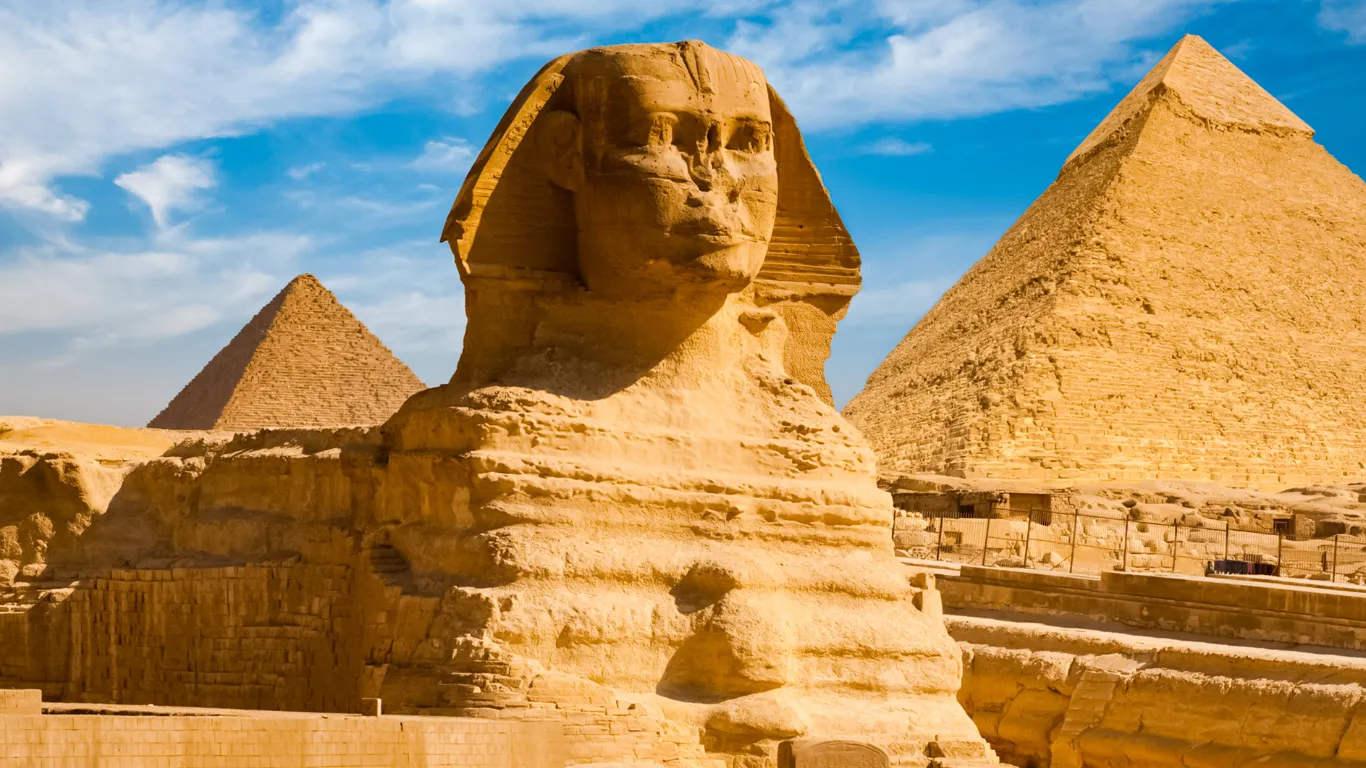
The Sphinx is a legendary statue that combines a lion’s body with a human head, carved from limestone and believed to have originally been covered with a layer of colored plaster. Traces of the original colors are still visible near one of its ears, and this statue is located on the Giza Plateau on the western bank of the Nile in Egypt. It is considered one of the oldest known monumental sculptures, measuring about 73.5 meters long, including 15 meters for the front paws, with a width of 19.3 meters and a height of approximately 20 meters at the top of its head.
The Sphinx is one of the most beautiful places to see in Cairo. It is believed that the ancient Egyptians built it during the reign of King Khafre (2558 BC – 2532 BC), who constructed the middle pyramid at Giza. The Sphinx is thought to have been hewn from a single stone before King Khafre decided to sculpt it into its current form. The statue faces east, and its original directions were altered in the last century to suit its gaze.
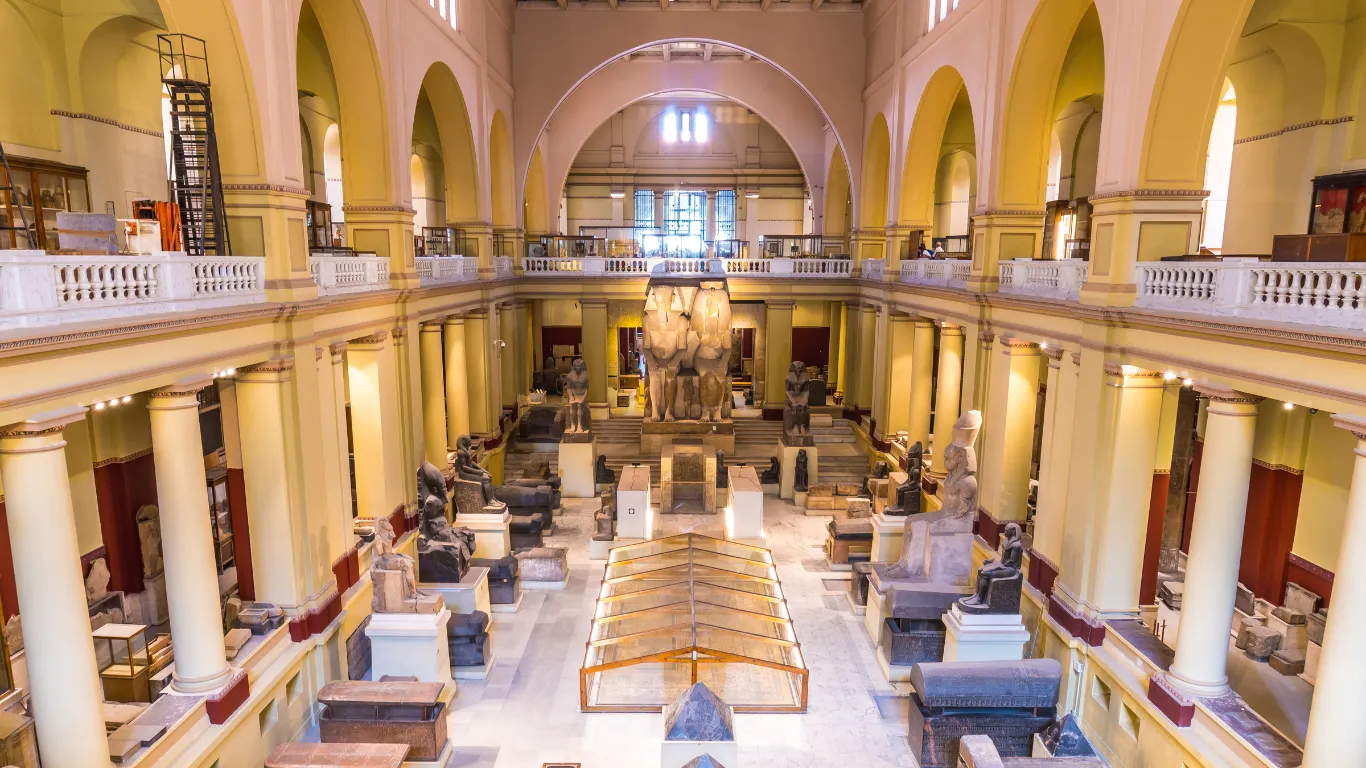
The Egyptian Museum is one of the most important places to see in Cairo and is considered one of the oldest public museums in the world. It houses over 180,000 artifacts that reflect various stages of ancient Egyptian history, among which are the collections discovered in the tombs of kings and the royal court of the Middle Kingdom in Dahshur in 1894. The museum was established in 1835 in the Azbakeya Gardens and later moved to the second display hall in the Citadel of Saladin.
Later, the French Egyptologist Auguste Mariette, a former employee of the Louvre Museum, inaugurated the new museum on the banks of the Nile in Boulaq after completing the transfer of threatened artifacts. In 1902, the current museum building was opened during the reign of Khedive Abbas Helmy II, thanks to the efforts of Egyptologist Gaston Maspero. Today, the Egyptian Museum is one of the largest and most famous museums globally, located in the heart of Cairo, north of Tahrir Square.
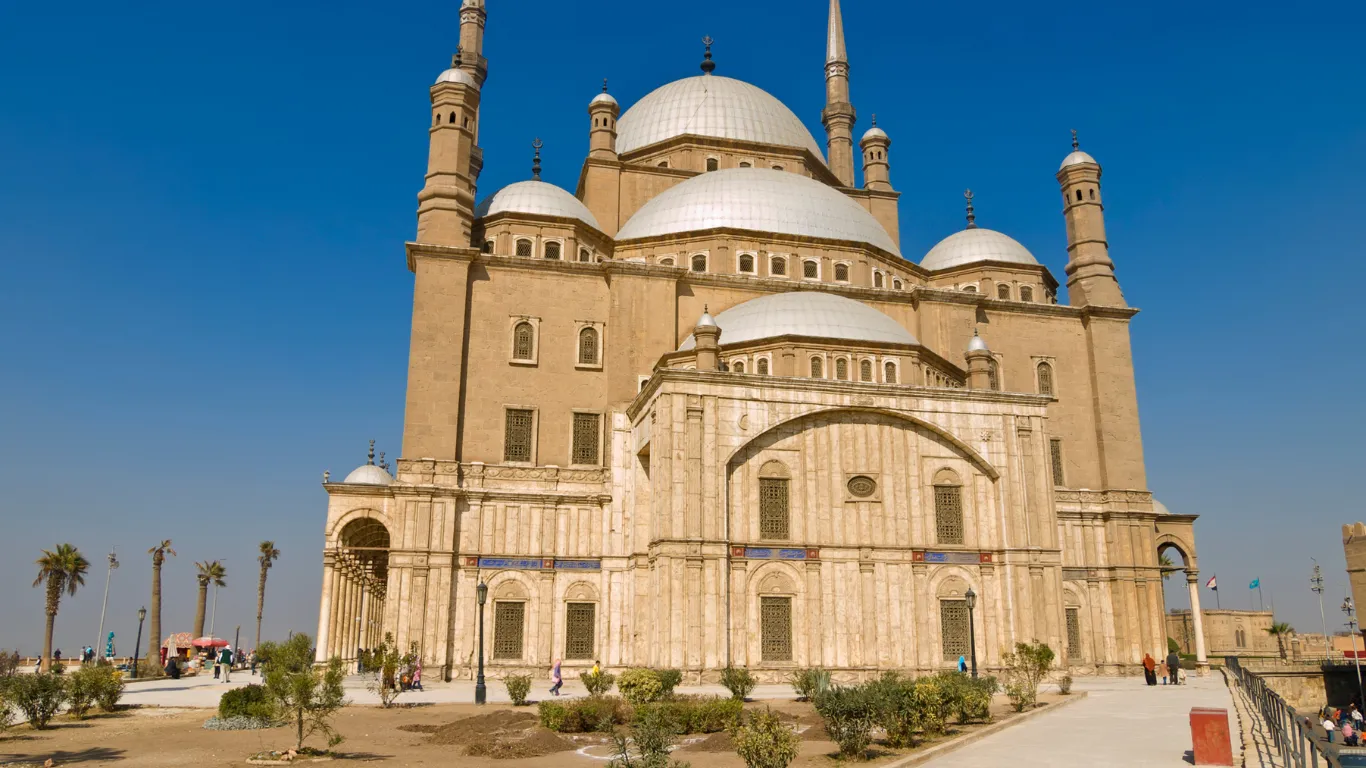
Cairo Citadel
The Citadel of Saladin in Cairo is one of the most prominent military fortresses built during the Middle Ages, established in 572 AH / 1176 AD under the supervision of Sultan Salah ad-Din Yusuf ibn Ayyub. The Sultan demolished old mosques and tombs in the area, while his minister Baha ad-Din Qaraqosh was tasked with enhancing the fortifications of the citadel by digging an artificial moat separating the Muqattam hill from the plateau.
The strategic location of the citadel provides effective control over the cities of Cairo and Fustat, making it a natural barrier between the two cities. This location also facilitated communication between the citadel and the city during times of siege, making it the last stronghold for refuge in case of the city’s fall. The citadel witnessed many historical events, from the Ayyubid and Mamluk eras to the French campaign in Egypt in 1798 and the revival of its vitality and grandeur under the rule of Pasha Muhammad Ali. The Cairo Citadel is one of the best places to see in Cairo.
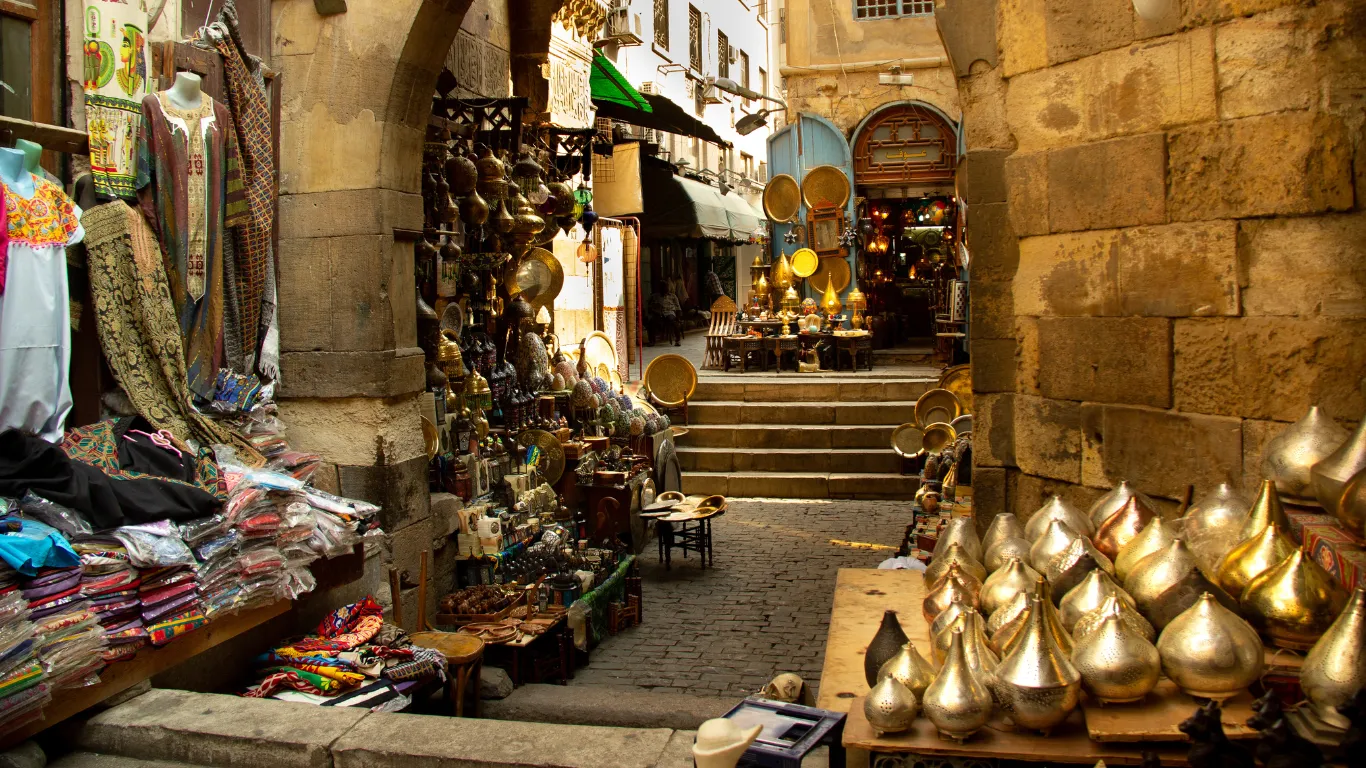
One of the oldest markets in Egypt and the Middle East is Khan El Khalili, with a history spanning over 600 years, located in the heart of Cairo. Khan El Khalili is characterized by its markets, bazaars, and popular restaurants, making it a prominent destination that enjoys great popularity among tourists. It is named after the prince Jarkas al-Khalili, who established it in the 14th century.
This historical landmark consists of a square building surrounding a courtyard and includes multiple floors with shops and residences. Khan El Khalili has inspired many writers and continues to retain its ancient character. The Fishawy Café, which is over two hundred years old, is one of the oldest cafés in Cairo and one of its prominent landmarks. Therefore, visiting Khan El Khalili market is essential, as it is one of the most important places to see in Cairo.
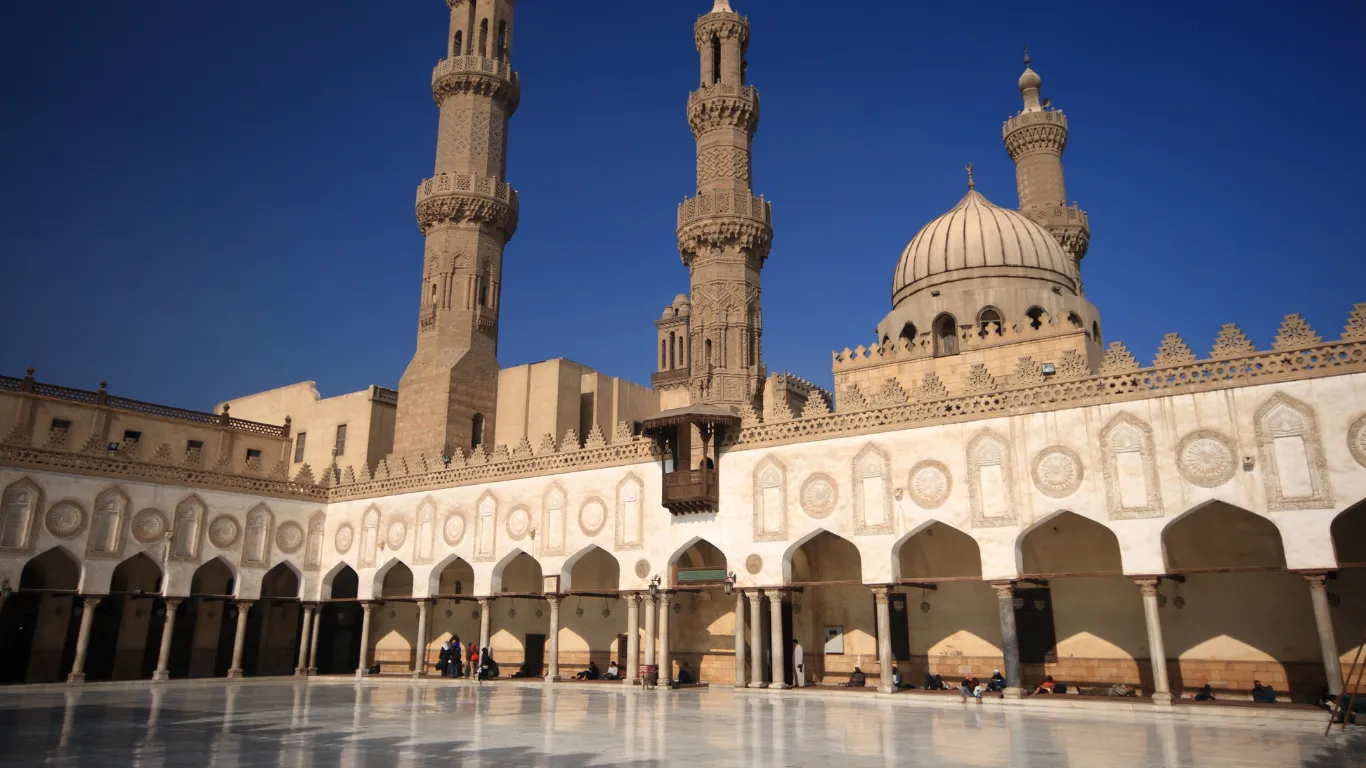
Al-Azhar Mosque, founded in 969 AD during the Fatimid era, is one of the most prominent mosques in the Islamic world and an important historical landmark in spreading and teaching Islam. The first Friday prayer was held there in Ramadan in the year 361 AH / 972 AD, and the first lecture was delivered in 365 AH / 975 AD. Despite changes to its Fatimid features due to restoration works, Al-Azhar remains the oldest existing Fatimid monument in Egypt. It was named after Fatimah al-Zahra, the daughter of the Prophet of Islam Muhammad (peace be upon him).
After the fall of the Fatimid state, the Friday sermon was suspended for a hundred years until it was restored during the reign of Sultan al-Zahir Baybars, contributing to its entry into its golden age. In 1930, Law No. 46 was issued during the reign of King Fuad I, leading to the establishment of new faculties, and
The story of bastet egyptian goddess begins thousands of years ago ...
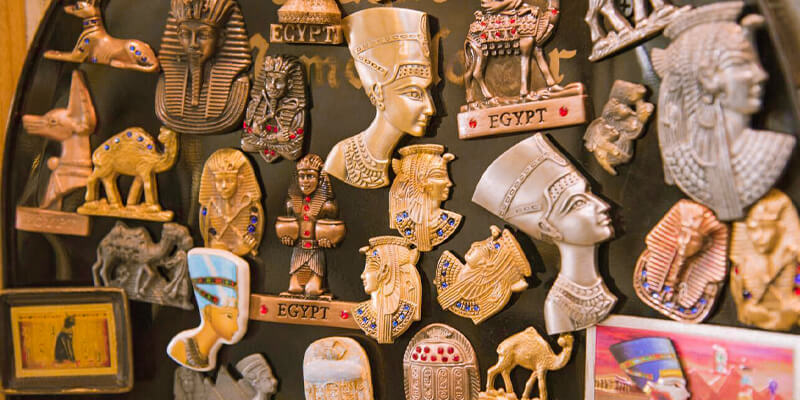
What to buy in Egypt in 2026 is one of the most common questions tr...
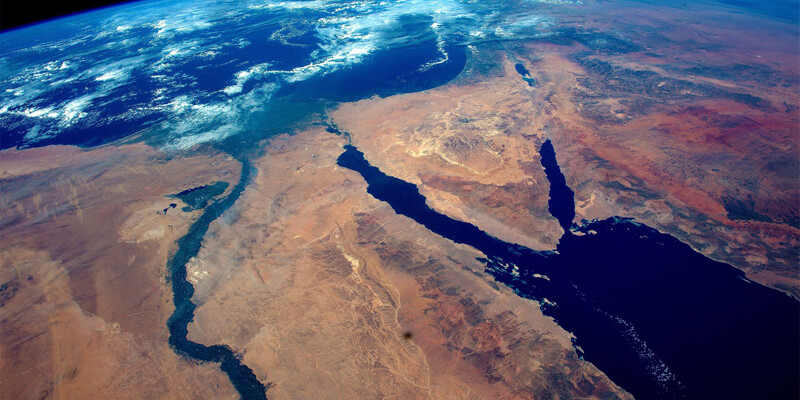
Where is located Egypt? Many travellers and readers search this exa...


We offer tours to Egypt’s most famous destinations such as the Pyramids and Sphinx in Giza, Karnak Temple and Luxor, Valley of the Kings, Sharm El Sheikh and Hurghada for beaches and diving, and Alexandria.
We provide organized tours, luxury hotel and resort bookings, comfortable transportation services, experienced tour guides, and activity ticket bookings such as diving, desert safaris, and Nile cruises.


