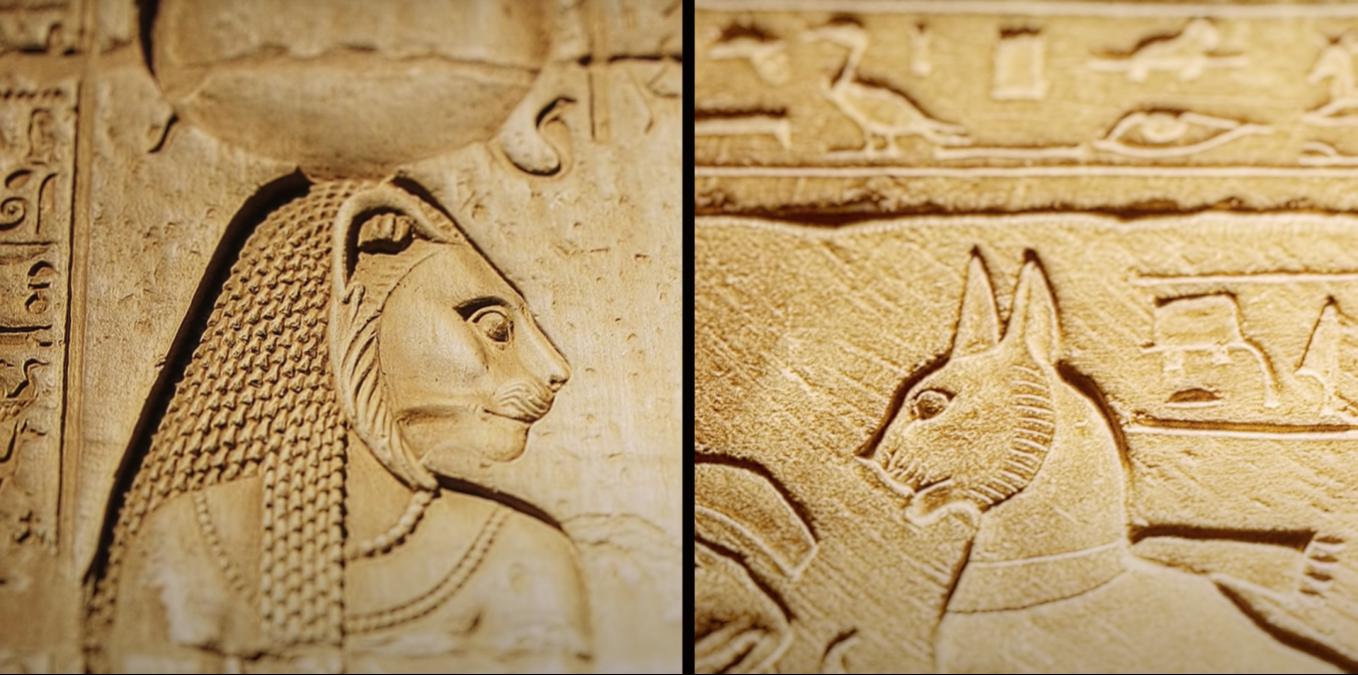
The story of bastet egyptian goddess begins thousands of years ago ...

Temple of Philae is one of Egypt’s most enchanting ancient sites, located on an island in the Nile near Aswan. Revered as the sacred home of the goddess Isis, the temple complex has captivated travelers for centuries with its graceful architecture, myths, and dramatic history. What makes this site extraordinary is not just its beauty, but also its remarkable survival story: the entire temple was relocated from its original island to Agilkia in the 1960s to save it from the rising waters of Lake Nasser.
For today’s traveler, visiting the Temple of Philae offers more than just a glimpse into Egypt’s past — it provides a full sensory experience. Arriving by boat, surrounded by the Nile, and walking through intricate reliefs and towering columns is unforgettable. It combines history, mythology, and natural beauty in one destination, making it a highlight of any journey to Aswan.

The Temple of Philae is located on Agilkia Island, just south of Aswan. Originally built on the smaller island of Philae, the temple had to be carefully dismantled and reconstructed in the mid-20th century when the construction of the Aswan High Dam threatened to submerge it. Today, Agilkia Island has been landscaped to resemble the original setting, complete with palm trees and lush vegetation that create a serene backdrop.
The approach to the temple is a journey in itself. Travelers board small boats from Aswan’s Marina Philae, gliding across the Nile’s shimmering waters. As the temple appears in the distance, its columns and pylons rising from the island, the scene is nothing short of magical. Unlike many ancient sites situated on desert plains, the Temple of Philae feels like an oasis — surrounded by water, greenery, and the life of the river.
This setting enhances the temple’s spiritual atmosphere. Ancient Egyptians believed Philae was one of the holiest places in Egypt, associated with rebirth and fertility. For today’s visitors, the location continues to inspire awe, offering moments of peace and reflection away from the bustle of Aswan city.
Construction of the Temple of Philae began during the reign of Pharaoh Ptolemy II in the 3rd century BC, though the site had been revered long before. The Ptolemaic dynasty, of Greek origin, adopted Egyptian traditions and dedicated the temple primarily to Isis, the goddess of motherhood, magic, and healing.
The complex grew over centuries, with successive rulers adding structures that honored different deities, including Osiris, Horus, and Hathor. The main temple is dedicated to Isis, but visitors will also find chapels, shrines, and a Nilometer — an ancient instrument used to measure the river’s water levels.
One of the most fascinating aspects of Philae’s history is its survival into the Christian era. Even after the spread of Christianity, the temple continued to be used for pagan worship until the 6th century AD, making it one of the last places in Egypt where ancient religion was practiced. Eventually, the temple was converted into a Christian church, and some reliefs were defaced to remove pagan symbols.
This layered history makes the Temple of Philae not just a relic of one era, but a witness to the changing spiritual and political landscape of Egypt.
No visit to the Temple of Philae is complete without exploring its myths. According to legend, Philae was the burial place of Osiris, god of the afterlife. This association made it one of the most sacred sites in all of Egypt. Pilgrims came from across the country to worship Isis, who was believed to have resurrected Osiris and given birth to Horus.
The temple reliefs vividly depict these myths, showing Isis nursing Horus or mourning Osiris. These stories were central to Egyptian religion and symbolized themes of rebirth, protection, and eternal life. For travelers, the myths bring the temple to life, transforming the stone carvings into timeless narratives.
The legends of Philae also extend beyond ancient Egypt. During the Roman period, the temple remained a powerful symbol, and emperors contributed to its decoration. Even today, many visitors describe a sense of mysticism when walking through its halls, as if the energy of centuries of worship still lingers on the island.
The Temple of Philae is renowned for its graceful architecture and detailed artistry. The first sight upon arrival is the impressive First Pylon, decorated with large reliefs showing Pharaohs offering sacrifices to the gods. Beyond the pylons, a courtyard leads to the Hypostyle Hall, filled with soaring columns adorned with lotus and papyrus capitals.
Inside the sanctuary, travelers can admire intricate carvings of Isis, Osiris, and Horus. The artwork is remarkably well preserved, with scenes that illustrate religious rituals, royal offerings, and mythological events. The blending of Ptolemaic and Roman styles gives the temple a distinctive aesthetic, combining traditional Egyptian motifs with subtle Hellenistic influences.
Smaller chapels within the complex offer their own treasures, such as the Temple of Hathor with its playful reliefs of musicians and dancers. Every corner of Philae reveals artistic details that reward close observation, making it a paradise for photographers, history enthusiasts, and art lovers alike.
Perhaps the most dramatic chapter in Philae’s history is its relocation. In the 20th century, the construction of the Aswan High Dam created Lake Nasser, threatening to submerge the temple forever. International efforts led by UNESCO resulted in one of the largest archaeological rescue projects in history.
Between 1972 and 1980, the temple was carefully dismantled into thousands of blocks, each numbered and documented. These blocks were transported to the nearby Agilkia Island, where engineers and archaeologists reconstructed the temple exactly as it had stood. The island was reshaped to mirror the original topography, ensuring the temple’s atmosphere remained intact.
This incredible achievement not only saved the Temple of Philae but also preserved its role as a living monument for future generations. Today, travelers visiting the site are walking through a masterpiece of both ancient and modern engineering.
A visit to the Temple of Philae is an immersive experience. The journey begins with a boat ride across the Nile, often accompanied by the sight of local fishermen and birds along the water. Upon arrival, visitors are free to explore the complex at their own pace, marveling at its pylons, courtyards, and chapels.
Guided tours are highly recommended, as expert guides bring the carvings and myths to life with stories that connect the past to the present. Many tours also include evening visits to the Sound and Light Show, where the temple is illuminated under the night sky while narrations recount its legends.
Practical tips include wearing comfortable shoes, bringing sun protection, and carrying water, as the island has limited facilities. The best time to visit is early morning or late afternoon, when temperatures are cooler and the light is ideal for photography.
Travelers often combine a visit to Philae with other attractions in Aswan. The High Dam, a short drive away, offers insight into Egypt’s modern engineering feats. The Unfinished Obelisk, another nearby site, provides a glimpse into ancient stone-carving techniques.
Practical tips for travelers include arranging transportation in advance, as boat rides to the island are not included in the general entrance fee. Bargaining with boatmen is common, though joining a tour often provides a smoother experience.
Aswan itself offers a wealth of experiences, from traditional Nubian villages to colorful markets and Nile cruises. For those traveling further afield, Philae can be included in itineraries that also visit Abu Simbel or the temples of Kom Ombo and Edfu.
The Temple of Philae is more than a monument — it is a story of devotion, survival, and beauty. From its mythical associations with Isis and Osiris to its dramatic relocation in modern times, the temple embodies the resilience of Egypt’s heritage.
For travelers, it offers a unique blend of history, architecture, and natural scenery. Arriving by boat, wandering through its reliefs, and experiencing its atmosphere is a journey into both ancient and modern chapters of Egypt’s story. Visiting the Temple of Philae is not just a step back in time — it is a reminder of the timeless power of human creativity, faith, and preservation.
The story of bastet egyptian goddess begins thousands of years ago ...
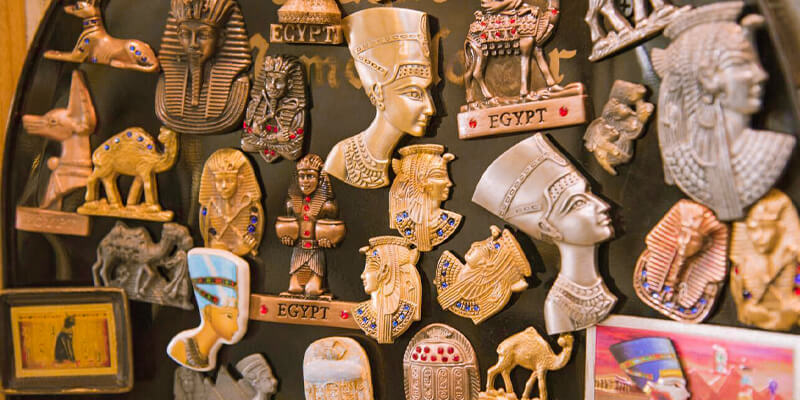
What to buy in Egypt in 2026 is one of the most common questions tr...
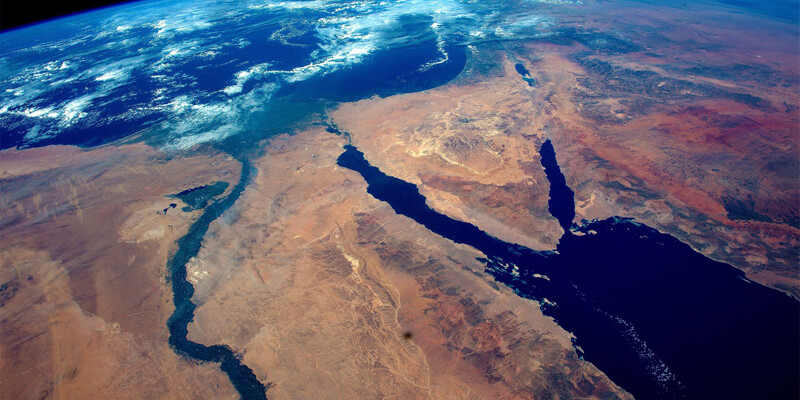
Where is located Egypt? Many travellers and readers search this exa...


We offer tours to Egypt’s most famous destinations such as the Pyramids and Sphinx in Giza, Karnak Temple and Luxor, Valley of the Kings, Sharm El Sheikh and Hurghada for beaches and diving, and Alexandria.
We provide organized tours, luxury hotel and resort bookings, comfortable transportation services, experienced tour guides, and activity ticket bookings such as diving, desert safaris, and Nile cruises.


