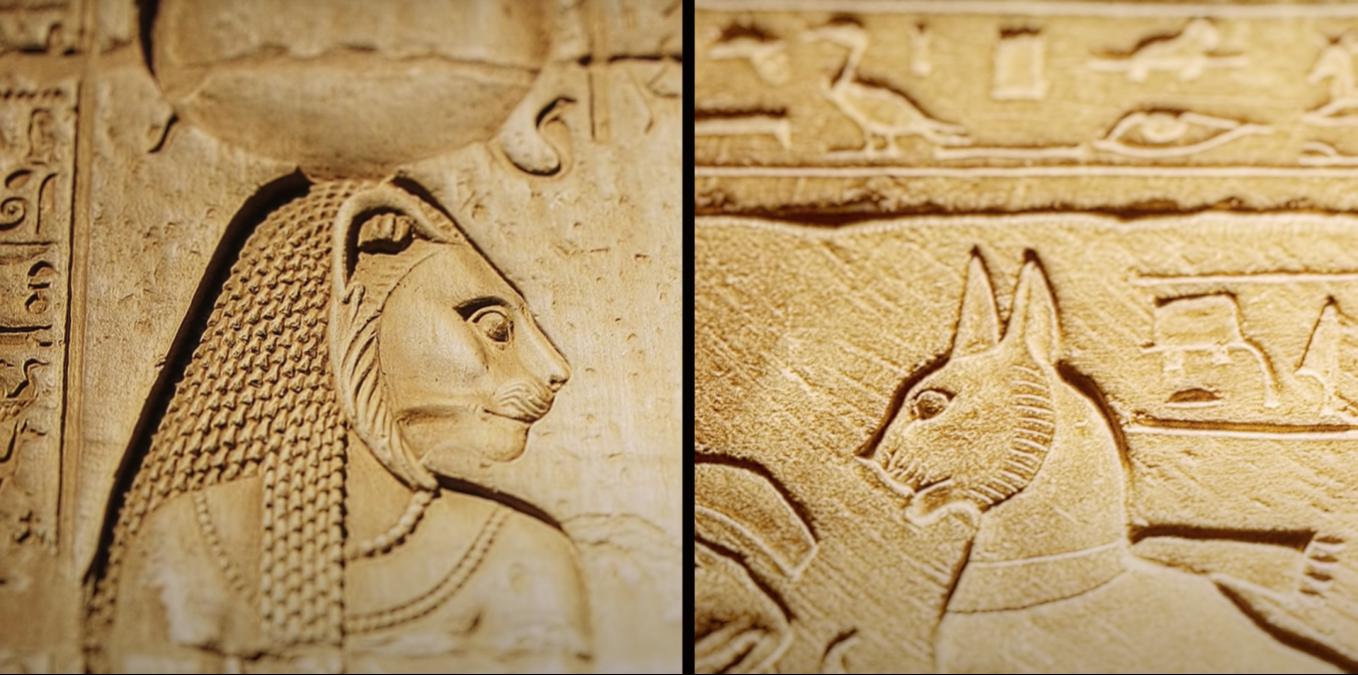
The story of bastet egyptian goddess begins thousands of years ago ...

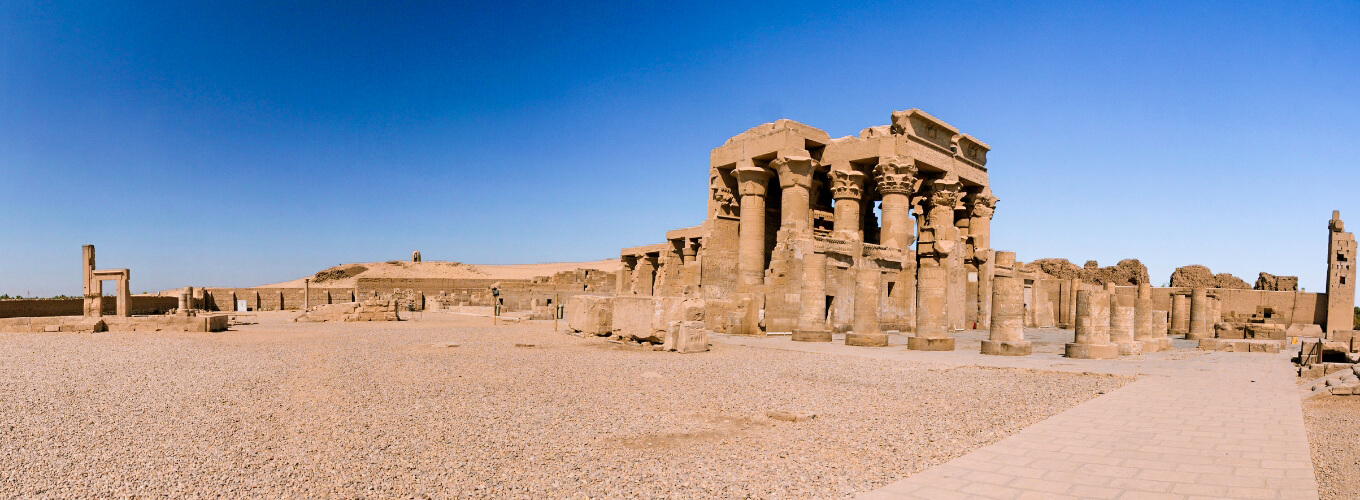
The Temple of Kom Ombo is unlike any other temple in Egypt. Situated along the banks of the Nile between Aswan and Edfu, this fascinating site stands out for its rare dual dedication to two different gods—Sobek and Horus the Elder.
For travelers exploring Upper Egypt, a visit to Kom Ombo offers a compelling look into ancient beliefs, architectural innovation, and a culture deeply connected to medicine, mythology, and the river that sustained their civilization.

The Temple of Kom Ombo is most famous for its unique layout. Rather than being dedicated to a single deity, it was constructed to honor two gods equally. On one side is Sobek, the crocodile-headed god associated with the Nile, fertility, and military power. On the other side is Horus the Elder, a falcon-headed god linked to protection, healing, and kingship.
This dual dedication is reflected in the symmetrical structure of the temple. There are two entrances, two halls, and two sanctuaries—each a mirror of the other. This kind of architecture is rare in Egyptian temple design, making Kom Ombo not only a place of worship but also a symbol of balance between divine forces.
Kom Ombo’s riverside location enhances its appeal. The temple rises on a slight bend in the Nile, giving it a commanding view of the waterway. In ancient times, this spot was strategically important. It served as both a religious center and a checkpoint for river traffic.
Today, its proximity to the river makes it a popular stop for those on Nile cruises between Luxor and Aswan. The short walk from the dock to the temple gives visitors a chance to enjoy peaceful views of the Nile, with palm trees and lush greenery framing the stone ruins.
Most of the existing structure was built during the Ptolemaic period, around 180 to 47 BCE, although there is evidence of earlier temples at the site dating back to the New Kingdom. The Ptolemies, who ruled Egypt after the conquests of Alexander the Great, blended Greek and Egyptian cultures. This fusion is visible in the art and inscriptions throughout Kom Ombo.
Later Roman emperors, including Augustus and Tiberius, also added to the temple. Their contributions included courtyards and elaborate decorations, many of which still survive today.
Understanding the dual focus of Kom Ombo requires some insight into Egyptian mythology. Sobek was feared and respected in equal measure. As the crocodile god, he represented the dangers and blessings of the Nile. Egyptians worshipped him to protect themselves from the river’s predators and to ensure fertility and good harvests.
Horus the Elder, not to be confused with Horus the Younger (son of Isis and Osiris), symbolized order, healing, and protection. He was often invoked by rulers and warriors. His presence in the temple represents balance, complementing Sobek’s more unpredictable nature.
By honoring both gods together, the people of Kom Ombo were attempting to appease the forces of chaos while maintaining harmony in their daily lives.
One of the most striking features of the Temple of Kom Ombo is its detailed relief carvings. The walls and columns are covered with scenes that depict religious rituals, offerings to the gods, and images of pharaohs receiving blessings. These depictions serve as valuable records of ancient Egyptian beliefs and practices.
One particular carving that draws attention is a set of surgical instruments etched into the temple’s stone. These include scalpels, forceps, and other tools that resemble modern medical equipment. Scholars believe this is evidence of a medical school or healing center associated with the temple, further supported by Kom Ombo’s connection to Horus, the god of healing.
Near the temple is the Crocodile Museum, a small but well-curated exhibit showcasing the remains of mummified crocodiles that were discovered around Kom Ombo. These animals were once considered sacred and were bred, mummified, and buried with ceremonial care.
The museum displays several well-preserved crocodile mummies of different sizes, as well as artifacts and explanations of their religious significance. It’s an ideal complement to the temple visit, especially for travelers interested in the more unusual aspects of ancient Egyptian culture.
Kom Ombo was not just a place of worship—it was also a center for healing. Its connection to Horus the Elder made it an ideal location for the practice of ancient medicine. Inscriptions on the temple walls depict surgical tools and medical treatments, giving modern visitors a rare look at how health and spirituality were intertwined in ancient times.
Many believe the temple operated as a healing sanctuary, where priests served both as doctors and spiritual advisors. Visitors came seeking cures for ailments, relying on rituals, herbal remedies, and divine intervention.
This mix of practical knowledge and religious devotion offers a powerful insight into how Egyptians viewed illness and recovery—not just as physical conditions, but as spiritual trials.
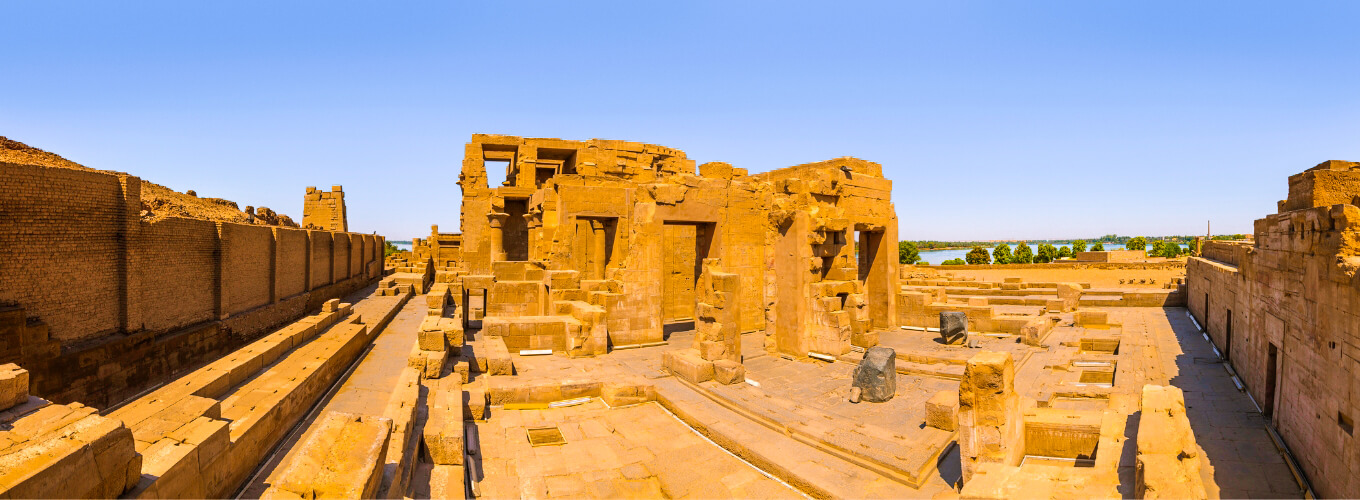
For modern travelers, the Temple of Kom Ombo is accessible by road or as part of a Nile cruise. Most Nile cruise itineraries include a stop here, often at sunset or early in the morning when the light casts a golden hue on the stonework.
Walking through the temple grounds offers a sense of serenity. The open-air ruins are well-preserved, with columns, carvings, and inner chambers that invite exploration. Some areas have been restored to help visitors understand the original layout, while others remain in their ancient form, creating a striking contrast between time and preservation.
Most guided tours provide explanations about the dual temples, the gods they honor, and the historical context. These insights make a visit much more enriching, especially for those interested in Egyptian mythology or history.
Though time has weathered many of Kom Ombo’s features, its structure remains a marvel. The hypostyle halls—roofed chambers supported by intricately decorated columns—are particularly impressive. The central axis divides the temple into two parallel parts, each with its own sanctuary, hall, and side rooms.
The symmetry of the design is more than just aesthetic. It reflects a broader philosophical concept of balance—between gods, between powers, and between natural forces. This harmony is a recurring theme in Egyptian religion and can be felt strongly at Kom Ombo.
Many of the reliefs still retain traces of their original paint, offering a glimpse into the temple’s former vibrancy. These small details help bring the ancient structure to life and remind visitors of the craftsmanship involved in its construction.
Throughout its long history, the Temple of Kom Ombo has remained a place of cultural importance. While its primary function was religious, it also served as a community center, a healing place, and even a symbol of political unity during periods of transition between dynasties and foreign rulers.
Its survival into the modern age speaks to its resilience and relevance. Unlike some other temples that fell into disrepair or were dismantled for building materials, Kom Ombo remained a focal point of the region. Archaeological efforts in recent years have helped preserve it for future generations and increased global interest in its unique character.
Most travelers visit the Temple of Kom Ombo in combination with other nearby attractions. It’s often paired with a visit to Edfu Temple—one of the best-preserved temples in Egypt dedicated to Horus the Younger. The two sites offer a complementary view of ancient Egyptian religious architecture and mythology.
Aswan is also nearby and serves as a good base for day trips to Kom Ombo. Alternatively, for those on a Nile cruise, the journey from Luxor to Aswan includes Kom Ombo as a key highlight, making it a seamless part of the overall travel experience.
To make the most of your visit, consider arriving early in the morning or just before sunset when the temple is less crowded and the lighting enhances the beauty of the reliefs. Comfortable shoes are recommended, as the temple grounds involve walking on uneven surfaces.
While there are no major visitor facilities at the site, nearby markets often sell local crafts, textiles, and souvenirs. Guided tours are highly recommended to provide historical context and bring the carvings and stories to life.
Photography is allowed throughout most of the site, though flash should be avoided in more delicate areas. Bringing a bottle of water, a sun hat, and sunscreen is advisable, especially during warmer months.
The Temple of Kom Ombo offers more than just a glimpse into ancient worship—it reveals a world where religion, healing, and community came together in perfect symmetry. Its dual design, striking carvings, and fascinating connection to crocodile worship and medicine make it a standout destination along the Nile.
For travelers who seek to uncover Egypt’s hidden layers, Kom Ombo is a must-visit. It complements the grandeur of Karnak and the mystique of Abu Simbel with its own quiet intrigue. Whether you are a history enthusiast, a curious traveler, or simply someone who appreciates the beauty of ancient architecture, Kom Ombo leaves a lasting impression.
The story of bastet egyptian goddess begins thousands of years ago ...
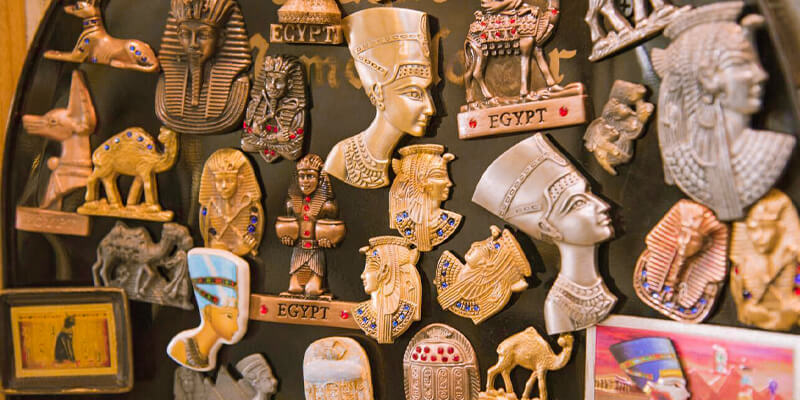
What to buy in Egypt in 2026 is one of the most common questions tr...

Where is located Egypt? Many travellers and readers search this exa...


We offer tours to Egypt’s most famous destinations such as the Pyramids and Sphinx in Giza, Karnak Temple and Luxor, Valley of the Kings, Sharm El Sheikh and Hurghada for beaches and diving, and Alexandria.
We provide organized tours, luxury hotel and resort bookings, comfortable transportation services, experienced tour guides, and activity ticket bookings such as diving, desert safaris, and Nile cruises.


