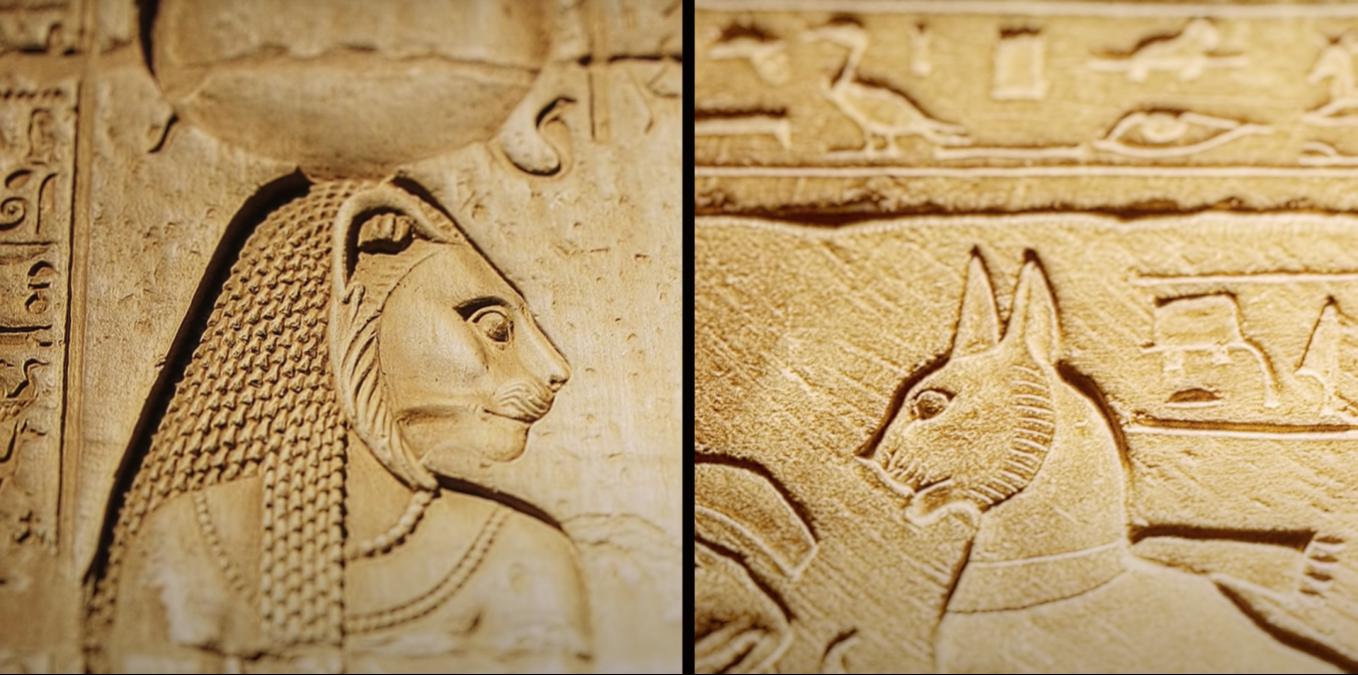
The story of bastet egyptian goddess begins thousands of years ago ...

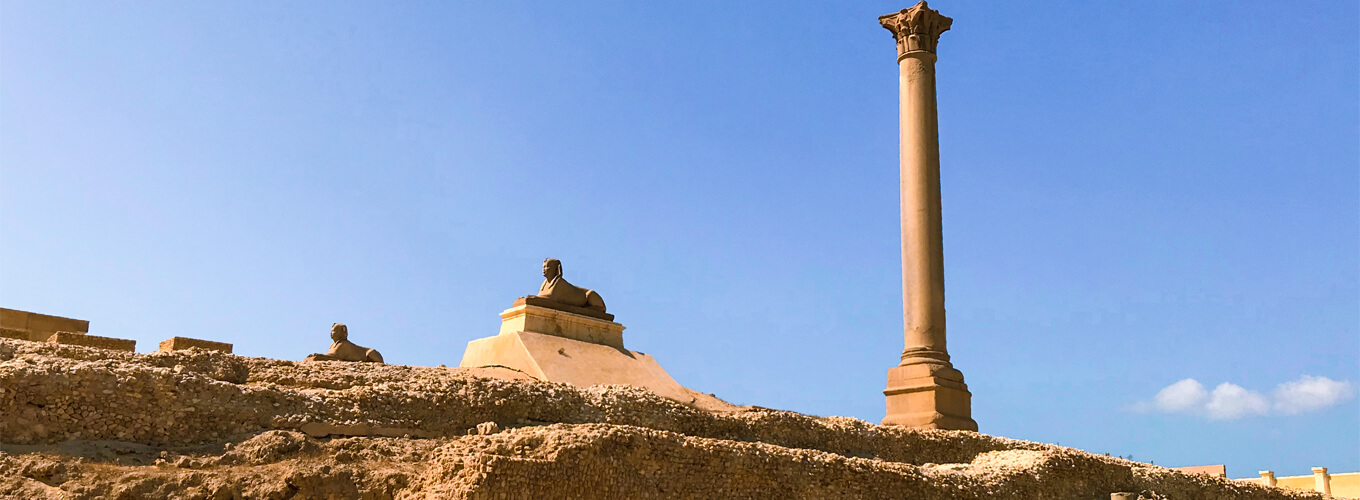
Pompey’s Pillar stands as a towering granite column amid the ruins of Alexandria’s Serapeum. Despite its modern name, it honors Emperor Diocletian’s victory over a 297 CE revolt. One of the best-preserved relics of Roman Egypt, it offers a window into Alexandria’s long history—from its 331 BCE founding by Alexander the Great through Hellenistic and Roman rule. In 2025, visitors benefit from improved interpretation and accessible paths, gaining fresh insight into the city’s role as a Mediterranean crossroads.
Carved from a single stone, the pillar’s precise cylindrical shaft and ornate capital rest on a massive base inscribed in Greek, dedicating the monument to Diocletian. As both an archaeological treasure and symbol of endurance, it invites travelers to reflect on the political, spiritual, and artistic forces that forged Alexandria.

Key Takeaways:
Pompey’s Pillar traces its origins to the late third century CE, when the Serapeum temple complex was expanded under Emperor Diocletian. Dedicated in 292 CE, the pillar honored Diocletian’s quelling of the revolt led by the usurper Domitius Domitianus. Inscriptions at the base record this dedication, though centuries of weathering have rendered some text difficult to read.
The Serapeum itself was a grand sanctuary dedicated to Serapis, a syncretic deity combining Greek and Egyptian religious traditions. Temples, courts, and shrines once populated this sacred precinct. Pompey’s Pillar, as the temple’s most visible monument, proclaimed imperial power and divine favor in equal measure. After the decline of pagan worship and successive waves of destruction—from Christian iconoclasm to medieval neglect—the temple collapsed, but the pillar survived.
European travelers in the 17th and 18th centuries dubbed it “Pompey’s Pillar” after mistakenly associating it with the Roman general who met his end in Egypt in 48 BCE. The name stuck, even after scholars corrected the chronology. This misnomer reflects Alexandria’s layered past, where history and legend often intertwine.
Pompey’s Pillar is carved from a single piece of red Aswan granite, weighing an estimated 285 tons. The shaft measures 20.46 meters in height and 2.71 meters in diameter, resting on a three-stepped base that elevates the monument to a total height of approximately 27.36 meters.
Ancient quarrying and transport methods remain a subject of fascination. Workers likely used wooden rollers, sledges, and lubricated pathways to move this colossal stone from quarries near Aswan—over 900 kilometers away. Scholars believe that construction employed a combination of ramps and scaffolding to raise the shaft into position, a feat of engineering that speaks to Roman Egypt’s logistical prowess.
Originally, the pillar would have been crowned with a large statue—possibly of Diocletian or Serapis—though this has never been found. Drilled sockets atop the capital suggest the presence of fastening mechanisms for such a statue. The Corinthian capital itself is ornately carved, featuring acanthus leaves and elaborate scrollwork typical of Roman design in the late third century.
Despite its imperial dedication, the pillar’s name evokes a later chapter in Alexandria’s story. Crusaders and travelers passing through Egypt in medieval times heard tales of Pompey’s final refuge in Alexandria and conflated the monument with his memory. By the 18th century, European mapmakers and antiquarians labeled it “Pompey’s Pillar,” and the name endured.
This folkloric twist demonstrates the power of myth in shaping historical perception. When you stand before the column, you stand at the nexus of truth and legend—where stone, story, and scholarly debate converge. In 2025, on-site interpretive panels clarify both the authentic history and the colorful myths that surround this enduring landmark.
Recent upgrades have focused on accessibility and engagement. Smooth pathways now accommodate wheelchair access up to the base, and tactile paving guides those with visual impairments. Multilingual audio guides and touchscreen kiosks offer narrated histories, 3D reconstructions of the Serapeum, and interactive timelines.
Licensed Egyptologists lead small-group tours in English, Arabic, French, German, and Spanish. These tours delve into the monument’s engineering marvels, religious context, and its place in Alexandria’s urban fabric. Advanced booking is recommended, especially during peak season (March–May and September–November).
Pompey’s Pillar sits within a cluster of archaeological treasures, making it easy to create a full day of exploration:
Just west of the pillar, the remains of the Serapeum’s walls and substructures hint at the temple’s former grandeur. Mosaics and column fragments lie scattered, offering a window into Hellenistic and Roman religious architecture.
A short walk away, this museum houses artifacts from prehistoric to modern times. Highlights include Pharaonic statuary, Greco-Roman sculptures, and displays on Alexandria’s multicultural heritage.
Rediscovered in the 1960s, this open-air theater once hosted plays and public gatherings. Well-preserved tiers of limestone seating and an intact stage building make it one of the best examples of Roman entertainment venues in Egypt.
An adjacent neighborhood featuring bath complexes, villas, and lecture halls from the Roman period. Recent excavations uncovered mosaics and frescoes, which are now partially visible through protective pathways.
Pompey’s Pillar is more than an archaeological marvel—it’s a cultural icon and a photographer’s dream:
In 2025, cultural festivals feature light-and-sound shows projected onto the pillar at night. These events narrate the site’s history through multimedia storytelling, blending ancient lore with modern technology.
To make the most of your visit to Pompey’s Pillar, consider these recommendations:
Getting There:
For a richer experience, pair your pillar visit with nearby destinations:
Travel 65 kilometers west to the town where the Rosetta Stone was discovered in 1799. Explore Ottoman-era houses, canal-side cafes, and the small local museum.
Head east along the coastline to visit this medieval fortress built by Sultan Qaitbay on the original site of the Lighthouse of Alexandria. The combination of Roman and Mamluk monuments spans centuries of history.
Venture westward to the World War II battlefields at El Alamein. War cemeteries, museums, and desert landscapes tell the story of the 1942 campaigns that changed the course of history.
Pompey’s Pillar is a steadfast beacon of Alexandria’s layered heritage, standing tall through earthquakes, invasions, and centuries of change. In 2025, improvements in accessibility, interpretation, and visitor amenities make it easier than ever to connect with this remarkable monument.
Whether you’re a history enthusiast tracing the footsteps of Roman emperors, a photographer seeking dramatic landscapes, or a curious traveler eager to explore off‑the‑beaten‑path sites, Pompey’s Pillar offers an unforgettable encounter. Let our experienced travel agency craft your ideal Alexandria itinerary, ensuring you experience the pillar—and the city around it—in all its historical grandeur and modern vitality.
The story of bastet egyptian goddess begins thousands of years ago ...

What to buy in Egypt in 2026 is one of the most common questions tr...
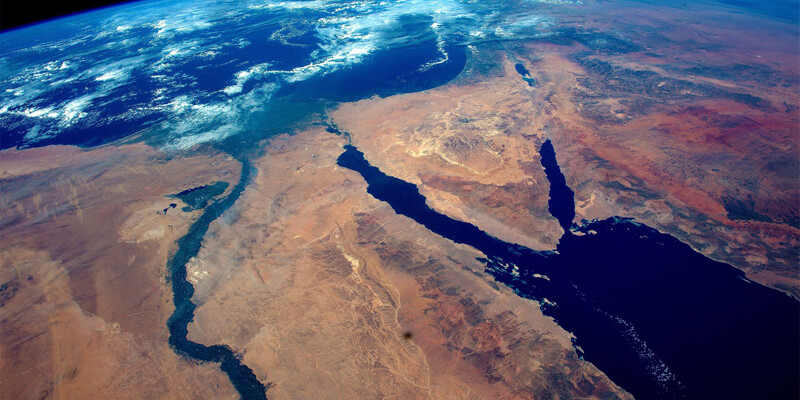
Where is located Egypt? Many travellers and readers search this exa...


We offer tours to Egypt’s most famous destinations such as the Pyramids and Sphinx in Giza, Karnak Temple and Luxor, Valley of the Kings, Sharm El Sheikh and Hurghada for beaches and diving, and Alexandria.
We provide organized tours, luxury hotel and resort bookings, comfortable transportation services, experienced tour guides, and activity ticket bookings such as diving, desert safaris, and Nile cruises.


