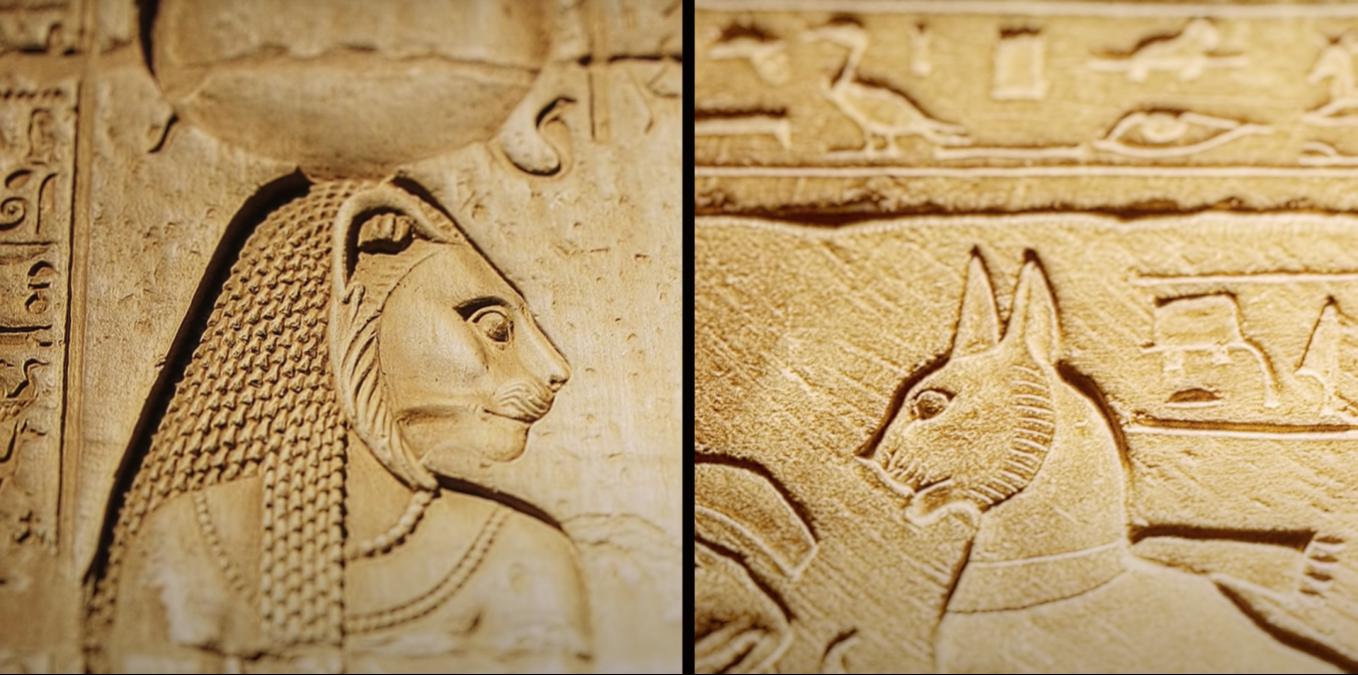
The story of bastet egyptian goddess begins thousands of years ago ...

Hatshepsut Temple, also known as Deir el-Bahari, is one of the most breathtaking monuments travelers encounter when visiting Luxor’s West Bank. Unlike other temples in Egypt that were built for gods or male pharaohs, this structure celebrates the reign of a woman who reshaped history: Queen Hatshepsut. For travelers, this site offers a unique blend of artistry, history, and mystique, making it a must-see highlight of any Egyptian journey.
Standing proudly against limestone cliffs, its terraces and symmetry evoke awe the moment you approach. Visitors are not just walking into ruins; they are stepping into the story of one of the most powerful women of ancient times, whose vision and ambition carved her legacy into stone.

Behind the temple lies the incredible story of Hatshepsut herself. Unlike most women in ancient Egypt who held roles behind the scenes, she rose to become Pharaoh—an almost unheard-of position for a woman. Her reign was marked by peace, prosperity, and trade expansion rather than war. She commissioned expeditions to the Land of Punt, bringing exotic goods like incense and myrrh, which are immortalized in the temple’s reliefs.
For modern travelers, her story adds depth to the experience of walking through the temple. You’re not just admiring stone carvings; you’re seeing how a determined woman left her mark in a world dominated by kings. Many visitors find her narrative empowering, reflecting themes of ambition and leadership that remain relevant today.
The temple’s design is one of the reasons it stands out. Built into cliffs, it consists of three levels connected by ramps, creating a harmony between natural landscape and human craftsmanship. The architect, Senenmut—Hatshepsut’s close advisor—designed a structure that emphasized balance and grandeur. As you walk across its colonnades, you notice rows of statues depicting Hatshepsut in both female and male pharaonic forms.
The symmetry and clean lines make it one of the most visually stunning ancient constructions. For visitors, the experience is not only about learning history but also admiring architecture that still influences modern design. Travelers often spend hours photographing the terraces, especially at sunrise when golden light bathes the limestone walls.
The temple was more than a political statement; it was a religious complex dedicated to Amun-Ra, Hathor, and Anubis. Each terrace served ceremonial purposes, linking the pharaoh with divine authority. Pilgrims and priests used the temple for rituals, while reliefs depict offerings to gods. Travelers exploring the sanctuary can sense the spiritual atmosphere that once filled these chambers.
The alignment with the winter solstice is another fascinating aspect, where sunlight illuminates certain parts of the temple, highlighting its celestial connection. Many visitors find this fusion of religion, politics, and astronomy captivating, showing how ancient Egyptians intertwined faith with power.
One of the most compelling features of Hatshepsut Temple is its vivid reliefs. They depict scenes of her divine birth, crowning, and most famously, the trading expedition to Punt. These carvings offer travelers a visual narrative of ancient life—ships sailing, goods being exchanged, and exotic animals brought back to Egypt. The reliefs also show Hatshepsut being blessed by gods, reinforcing her legitimacy.
For modern visitors, these images bring history alive. Standing before them, you can almost hear the bustle of markets or the chants of ceremonies that happened thousands of years ago. Photography lovers find these reliefs especially rewarding, as each carving is a snapshot of history frozen in stone.
Visiting the temple is straightforward. Located on the West Bank of Luxor, it’s accessible via ferry rides across the Nile or by car from Luxor city. Many travelers combine it with nearby attractions like the Valley of the Kings, Medinet Habu, and the Colossi of Memnon. Guided tours are highly recommended for first-time visitors, as expert Egyptologists add layers of storytelling that enhance the visit.
For independent travelers, taxis and private drivers are also options. The approach to the temple itself is spectacular—walking through an open causeway with cliffs towering above creates a cinematic experience. Timing your visit in the early morning ensures cooler weather and fewer crowds.
Planning ahead can elevate your trip. Wear comfortable shoes, as the site involves walking across wide courtyards and ramps. Sunscreen, hats, and water are essentials since shade is limited. If you’re into photography, the best light is early morning or late afternoon. Hiring a licensed guide can transform the visit, as they can decode hieroglyphics and explain symbolism you might otherwise miss.
Travelers should also note that the site can get crowded with tour buses, so arriving early or booking a private tour enhances the experience. Nearby facilities are basic, so packing snacks is wise. These small tips make your visit smoother and more enjoyable.
Over centuries, the temple has faced both reverence and destruction. After Hatshepsut’s death, later rulers—especially Thutmose III—attempted to erase her memory, defacing her statues and inscriptions. During the Christian era, parts of the temple were converted into monasteries, which is why it’s known as “Deir el-Bahari” (Monastery of the North).
Modern excavations and restorations have brought much of its glory back, allowing travelers to appreciate the temple almost as it once stood. For visitors, learning this layered history makes the site even richer. Each stone holds stories of change, resilience, and rediscovery.
Travelers rarely visit Hatshepsut Temple alone. Being in Luxor’s West Bank opens the door to iconic sites. The Valley of the Kings, where Tutankhamun’s tomb was found, is just minutes away. The Colossi of Memnon, towering statues at the entrance to Theban temples, are also close by. Medinet Habu, the mortuary temple of Ramses III, offers another architectural gem.
Many guided tours combine these highlights, giving visitors a well-rounded view of Theban history. Pairing Hatshepsut Temple with these sites not only maximizes your time but also creates an unforgettable day of exploration.
For modern travelers, the temple is more than an archaeological site—it’s an encounter with ambition, resilience, and artistry. Standing before its terraces, you feel the presence of a woman who defied traditions to rule a kingdom. The site blends history, spirituality, and beauty in a way few places can. Whether you’re a history lover, architecture enthusiast, or casual traveler, Hatshepsut Temple offers something unforgettable. It is not just about the past; it’s about experiencing human vision and determination in its purest form. For anyone visiting Luxor, missing this wonder would leave your journey incomplete.
The story of bastet egyptian goddess begins thousands of years ago ...
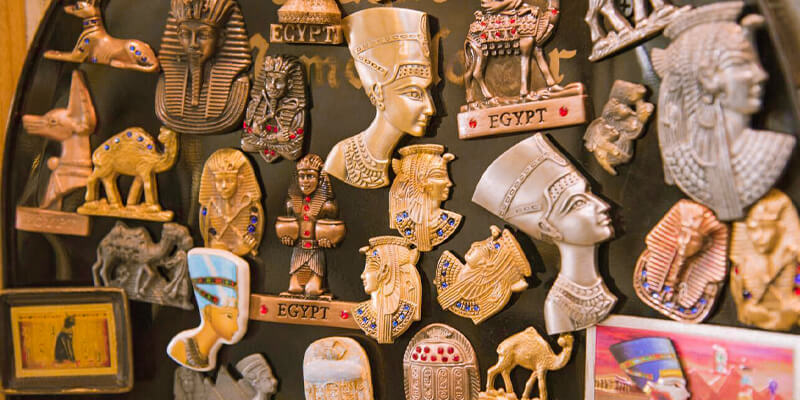
What to buy in Egypt in 2026 is one of the most common questions tr...

Where is located Egypt? Many travellers and readers search this exa...


We offer tours to Egypt’s most famous destinations such as the Pyramids and Sphinx in Giza, Karnak Temple and Luxor, Valley of the Kings, Sharm El Sheikh and Hurghada for beaches and diving, and Alexandria.
We provide organized tours, luxury hotel and resort bookings, comfortable transportation services, experienced tour guides, and activity ticket bookings such as diving, desert safaris, and Nile cruises.


