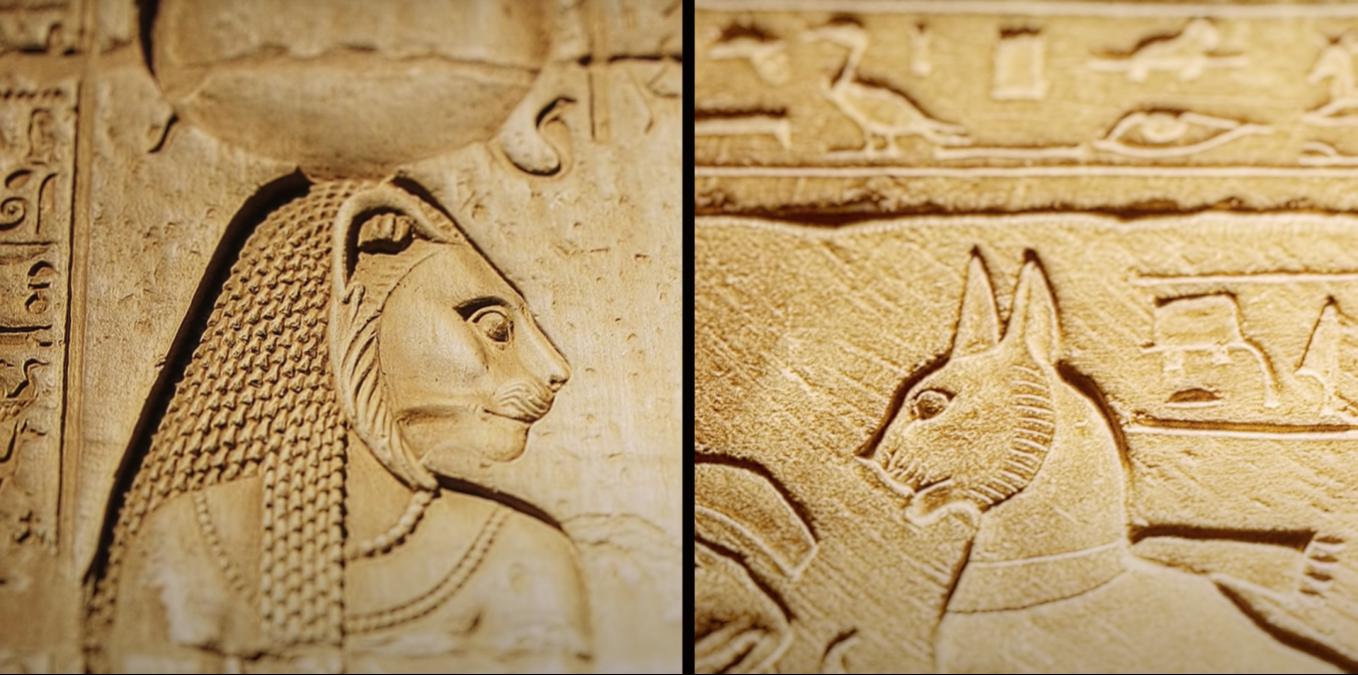
The story of bastet egyptian goddess begins thousands of years ago ...

Nestled above the ancient Babylon Fortress in Old Cairo, the Hanging Church in Cairo stands as a testament to Egypt’s rich tapestry of faith, history, and architectural ingenuity. Lifting visitors more than 14 meters above ground level, this revered Coptic Christian sanctuary offers not only spiritual solace but also a vivid glimpse into a civilization that has thrived through empires, conquests, and cultural crossroads.
In 2025, as global travelers seek authentic, people-first experiences, the Hanging Church continues to beckon with its storied past, serene atmosphere, and a promise of deep cultural connection.

Key Takeaways
The Hanging Church in Cairo, officially known as Saint Virgin Mary’s Coptic Orthodox Church, traces its roots back to the Hellenistic period when the Romans fortified the Babylon Fortress. Between the late 3rd and early 5th centuries, Coptic Christians erected a modest place of worship atop the fortress’s southern gatehouse. By the 7th century, under the patronage of Patriarch Isaac (680 – 692 AD), major renovations expanded the church and imbued it with Byzantine architectural motifs. Over centuries, it weathered invasions—from the Persians to the Crusaders—and yet preserved its core sanctity and community role.
Throughout the medieval era, the church served as the seat of the Coptic Orthodox Pope for nearly a millennium, affirming its centrality to the faith. In 1072, after a devastating fire, Patriarch Christodoulos oversaw reconstruction that introduced the signature wooden nave supported by soaring stone piers. The Mamluk period (1250–1517) further enriched the church with ornate wood carvings and precious icons, many of which remain on display today. By the 19th century, European travelers began documenting its beauty, bringing the Hanging Church in Cairo to the attention of a wider, global audience.
What makes the Hanging Church in Cairo architecturally unique is its location atop the fortress gate, giving it the appearance of “hanging” in mid‑air. Fourteen massive stone pillars emerge from the fortress ruins, supporting a wood‑beam floor that holds the church above street level. The vaulted ceiling, carved from cedar wood, features intricate floral and geometric motifs, a hallmark of Coptic artistry.
Inside, the nave is flanked by two narrow aisles separated by a screen of richly carved teak wood. The iconostasis—a three-tiered wall of icons—stands at the eastern end, depicting biblical scenes and saints in vivid color. Many icons date back to the 8th and 9th centuries, their gold leaf backgrounds shimmering in the candlelight. Of special note is the triumphal arch, adorned with mosaic tesserae imported from Constantinople, showcasing Christ Pantocrator at its apex. Visitors can also admire the marble pulpit, crafted in the 10th century, and the gilded choir stalls added during the Ottoman era.
The juxtaposition of architectural styles—Roman arches, Byzantine mosaics, Islamic geometric patterns—tells a story of centuries of coexistence and exchange. In 2025, conservationists continue to study and restore these elements, ensuring that this architectural gem endures for future generations of travelers and worshippers alike.
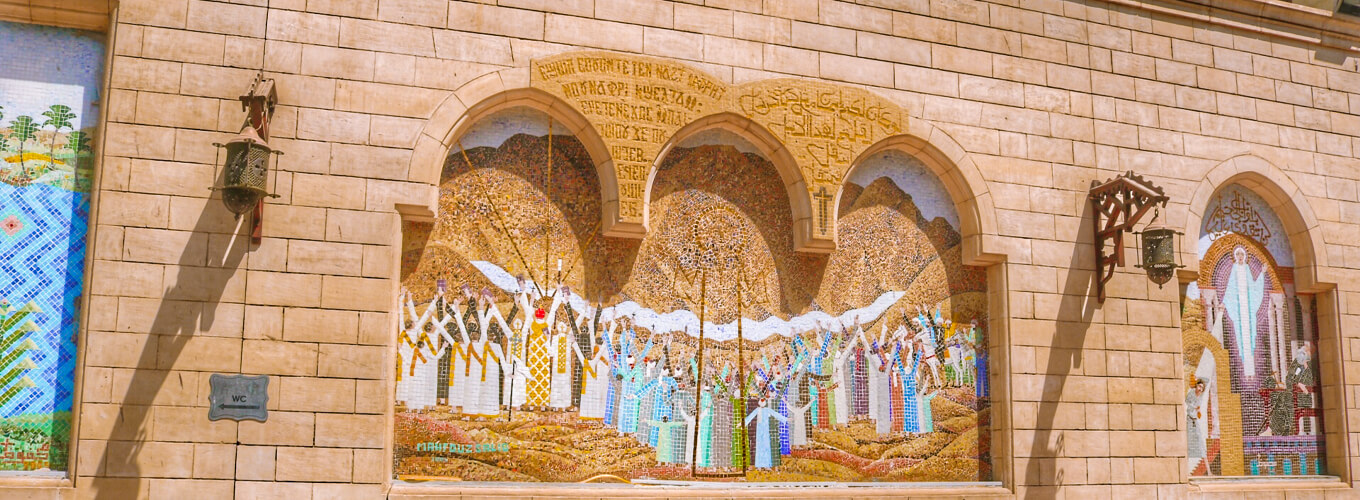
More than an architectural landmark, the Hanging Church in Cairo embodies the heart of Coptic spiritual life. It is dedicated to the Virgin Mary, whose intercessory power is celebrated annually on the Feast of the Annunciation. Pilgrims from across Egypt and beyond journey here to venerate the church’s relics, including fragments of the “Tree of the True Cross” and a piece of the Robe of the Virgin.
Inside the sanctuary, the sense of tranquility is palpable. Even amidst the hustle of Old Cairo’s narrow streets, once you ascend the stone steps to the entrance, you step into a realm of hushed whispers and flickering candlelight. Services—conducted in Coptic and Arabic—feature ancient hymns, chanted in short, hypnotic phrases that resonate off the wooden beams above. On major feast days, the church hosts processions, replete with incense, chanting, and traditional Coptic liturgical music.
The church also played a pivotal role during times of persecution and political upheaval. Under various regimes, it served as a refuge for the local Christian community, offering sanctuary and solidarity. Today, it stands as a symbol of endurance, a living testament to faith’s power to transcend adversity.
Visiting the Hanging Church in Cairo should be a highlight of any Egypt itinerary. Here are some recommendations to make your experience as smooth and rewarding as possible:
The Hanging Church sits at the heart of what is often called the “Coptic Quarter” of Old Cairo—a compact neighborhood brimming with history and culture. Within a 5‑minute walk, you’ll find:
Strolling these narrow lanes, you’ll encounter local artisans selling hand‑painted icons, traditional bread baked in open‑hearth ovens, and cafés where you can sip sweet karak tea while planning your next stop. The blend of Christian, Jewish, and Islamic landmarks in this quarter underscores Cairo’s once‑multifaith tapestry, all within a pedestrian‑friendly zone that feels a world away from modern skyscrapers.
Local guides often share captivating tales that bring the Hanging Church to life. One legend speaks of a secret tunnel linking the church to nearby synagogues, used in medieval times by travelers seeking refuge. Another story recounts how, during the Mamluk period, the church survived a siege because its high position rendered it nearly invisible from the surrounding ramparts.
Elders in the community recall festivals where children would dress as angels and saints, parading through the church courtyard, their voices rising in joyous celebration. In 2025, efforts are underway to document these oral histories before they fade, with Coptic cultural centers interviewing centenarians who remember mid‑20th‑century services lit entirely by oil lamps.
For those looking to capture the essence of the Hanging Church in Cairo:
When sharing your photos or travel blog, weave in historical anecdotes—mention the 11th‑century fire or the church’s revival under Patriarch Cyril III—to enrich your narrative and align with what travelers in 2025 seek: meaningful insights, not just pretty pictures.
For many visitors, the Hanging Church is just one highlight among Egypt’s vast offerings. Here’s how to integrate it into wider travel plans:
By designing your itinerary around both iconic sites and lesser‑known treasures, you’ll meet the expectations of discerning travelers in 2025 who prioritize authentic, people‑first experiences.
Conservation efforts at the Hanging Church in Cairo continue under the supervision of Egypt’s Ministry of Tourism and Antiquities. In recent years, teams of archaeologists, art restorers, and structural engineers have collaborated to stabilize the wooden beams, clean centuries of soot from mosaics, and treat the stone piers against moisture damage.
Sustainable tourism practices are also being introduced: visitor numbers are now capped during peak season, audio‑guide units are disinfected regularly, and a portion of ticket revenues funds ongoing maintenance. Travelers can contribute by respecting site guidelines, avoiding flash photography, and choosing licensed guides who support local communities.
Hanging Church in Cairo remains one of Egypt’s most compelling attractions in 2025, inviting travelers to step into a living chronicle of faith, art, and history. From its lofty perch above the ancient fortress walls to the luminous icons that adorn its sanctuary, every aspect of this church tells a story of resilience and devotion. Whether you’re a pilgrim seeking spiritual connection, a history buff tracing centuries of cultural exchange, or a curious traveler in search of inspiring architecture, the Hanging Church offers an experience that resonates long after your journey ends. Pack your modest attire, charge your camera, and prepare to be uplifted—both literally and figuratively—by one of Cairo’s most enduring treasures.
The story of bastet egyptian goddess begins thousands of years ago ...
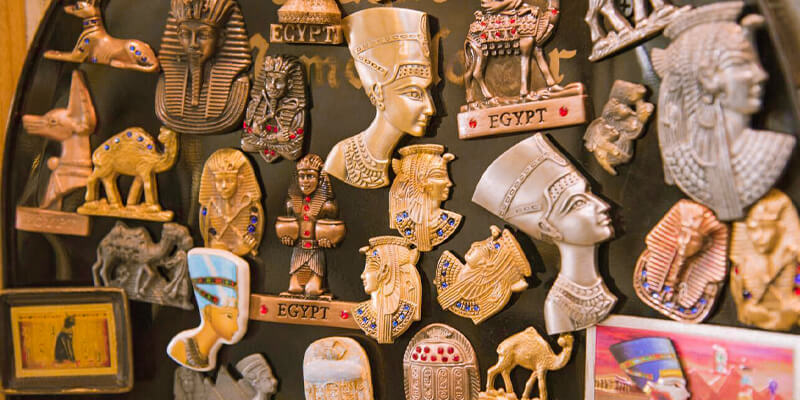
What to buy in Egypt in 2026 is one of the most common questions tr...
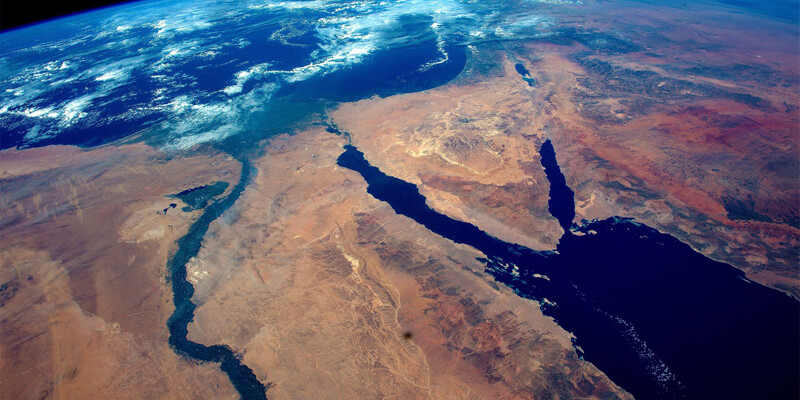
Where is located Egypt? Many travellers and readers search this exa...


We offer tours to Egypt’s most famous destinations such as the Pyramids and Sphinx in Giza, Karnak Temple and Luxor, Valley of the Kings, Sharm El Sheikh and Hurghada for beaches and diving, and Alexandria.
We provide organized tours, luxury hotel and resort bookings, comfortable transportation services, experienced tour guides, and activity ticket bookings such as diving, desert safaris, and Nile cruises.


