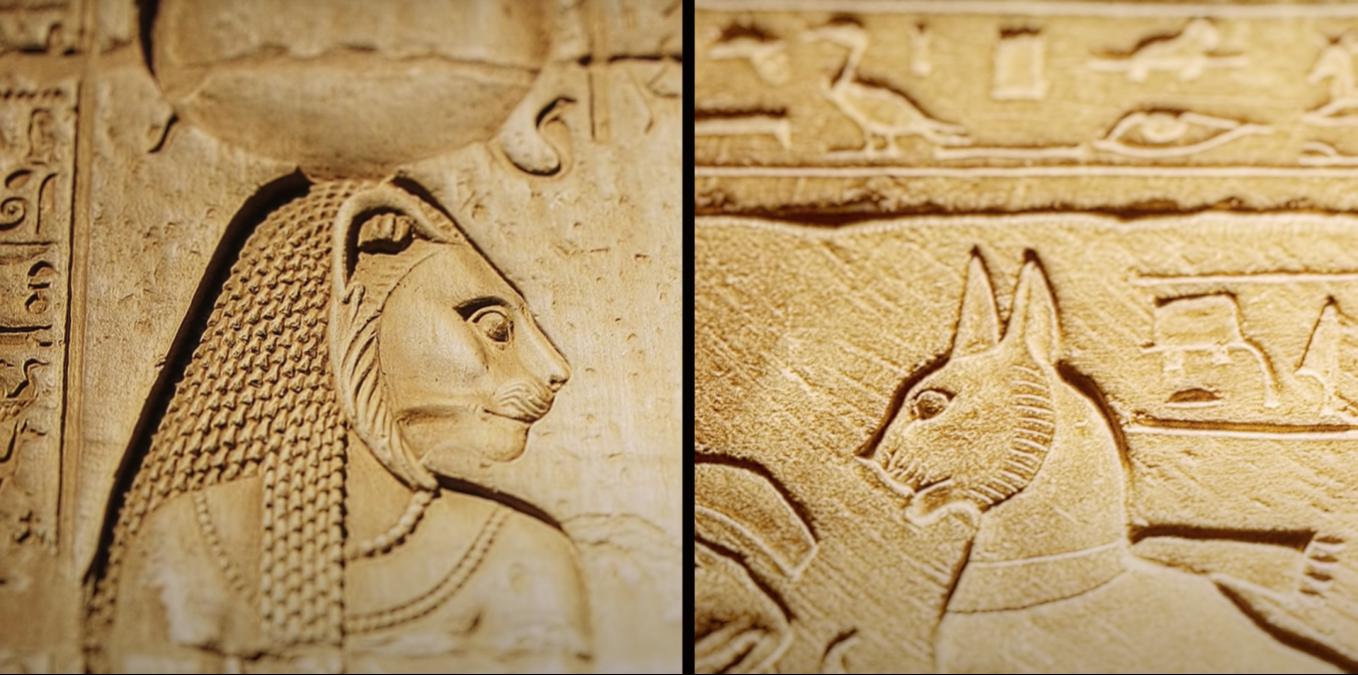
The story of bastet egyptian goddess begins thousands of years ago ...

The Great Sphinx of Giza stands as an enduring symbol of Egypt’s ancient civilization, drawing travelers from across the globe with its enigmatic presence and monumental scale. Carved from the bedrock of the Giza Plateau, this majestic guardian has captivated imaginations for millennia. In this 2025 guide, you’ll uncover the Sphinx’s rich history, architectural marvels, and practical tips to optimize your visit, ensuring a truly memorable experience without the crowds and confusion.
Key Takeaways
Constructed during the reign of Pharaoh Khafre around 2500 BCE, the Great Sphinx of Giza embodies both royal power and divine protection. Archaeologists believe the limestone statue’s lion body and human head represent the Pharaoh himself, merging human intelligence with lion’s might. As you stand before it, consider the craftsmanship required to carve a structure that spans 73 meters in length and towers 20 meters high.
Over centuries, the Sphinx endured natural erosion, desert winds, and episodic floods of sand. Despite this, its face remains remarkably intact, though its nose and ceremonial beard were lost to vandalism and antiquities hunters. Modern conservation efforts have worked tirelessly since the early 20th century to stabilize its foundation and repair fractured blocks. By visiting in 2025, you witness both the ancient monument and the latest preservation techniques in action.
The Great Sphinx resulted from subtractive carving: laborers chiseled downward into a natural rock outcrop, a method that required both skill and raw manpower. No building blocks were assembled; instead, masons removed excess stone to reveal the final form. This contrasts with the nearby pyramids, which were constructed block by block.
Some researchers propose that the Sphinx aligns precisely with the rising sun on the spring equinox, reflecting solar worship practices of the Old Kingdom. Others argue that its orientation corresponds to the constellation Leo, tying celestial events to royal majesty.
Season: October to April offers milder temperatures between 20–30°C, avoiding Egypt’s scorching summer highs.
Time of Day: Arrive at site opening (around 8:00 AM) for smaller crowds. Late afternoon (4:00–6:00 PM) brings softer light for photos and cooler air.
Your ticket to the Giza Plateau typically includes access to viewing platforms but excludes optional sites like the Solar Boat Museum. To save time:
Pre-book Online: Reserve entrance tickets and private guide services through your travel agency.
Combined Pass: Consider a combined ticket covering pyramids, museums, and the Sphinx terrace.
Private Tour: Small-group or private tours often include skip-the-line privileges.
By Car: Taxis or ride-share apps like Careem offer direct routes from downtown Cairo (45–60 minutes, depending on traffic).
By Metro & Bus: Take Line 2 to Giza station, then a short taxi ride to the Plateau. Note that public transport can be crowded during rush hours.
Designated platforms at the Sphinx’s front and side provide unobstructed views. These vantage points allow you to:
Capture wide-angle photographs of the Sphinx and Khafre’s pyramid in the background.
Observe the statue’s intricate headdress and ceremonial beard remnants.
Compare limestone strata layers showing centuries of weathering.
Great Pyramids of Giza: Just steps away, these iconic tombs reward early-morning explorers seeking solitude.
Sound and Light Show: An evening spectacle that illuminates Giza’s monuments with narration and lighting effects (check schedules for 2025 dates).
Adjacent to the plateau, Khan el-Khalili Bazaar in Old Cairo offers handcrafted souvenirs and traditional spices. Sampling local mint tea and bargaining for a papyrus painting serve as delightful cultural extras.
Respect the local culture to enhance your experience:
Golden Hour: The hour after sunrise and before sunset bathes the Sphinx in warm, flattering light. Plan accordingly using local sunrise/sunset times in 2025.
Framing: Position the Sphinx off-center to include pyramids in the background, applying the rule of thirds for balanced composition.
Equipment: Bring a wide-angle lens to capture the full grandeur. A neutral density filter can help balance exposure in bright midday light.
Great Sphinx of Giza invites travelers to step back into ancient Egypt, offering a blend of historical intrigue, architectural grandeur, and cultural immersion. By following these expert recommendations, you’ll unlock the full potential of your 2025 visit, capturing unforgettable memories while honoring this timeless marvel. Embark on your journey today with confidence, and let the Great Sphinx stand guard over your adventure.
The story of bastet egyptian goddess begins thousands of years ago ...
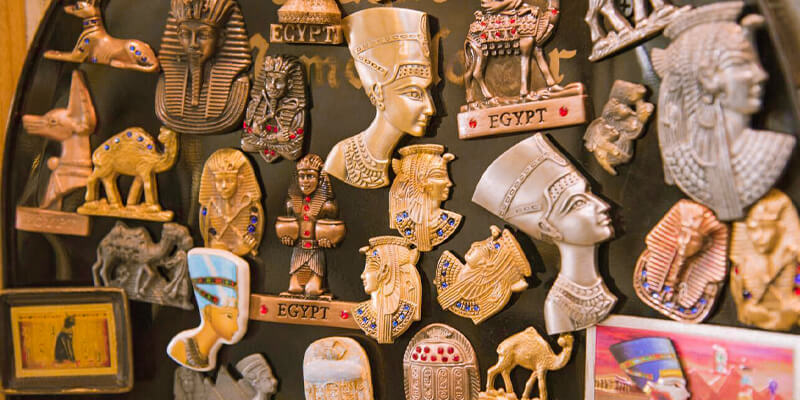
What to buy in Egypt in 2026 is one of the most common questions tr...
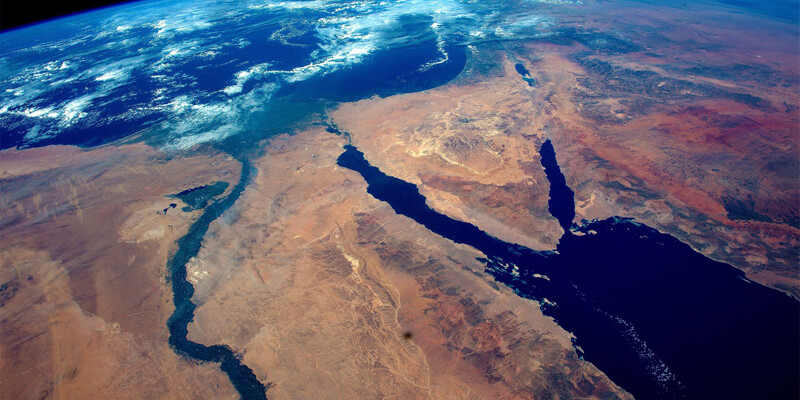
Where is located Egypt? Many travellers and readers search this exa...


We offer tours to Egypt’s most famous destinations such as the Pyramids and Sphinx in Giza, Karnak Temple and Luxor, Valley of the Kings, Sharm El Sheikh and Hurghada for beaches and diving, and Alexandria.
We provide organized tours, luxury hotel and resort bookings, comfortable transportation services, experienced tour guides, and activity ticket bookings such as diving, desert safaris, and Nile cruises.


