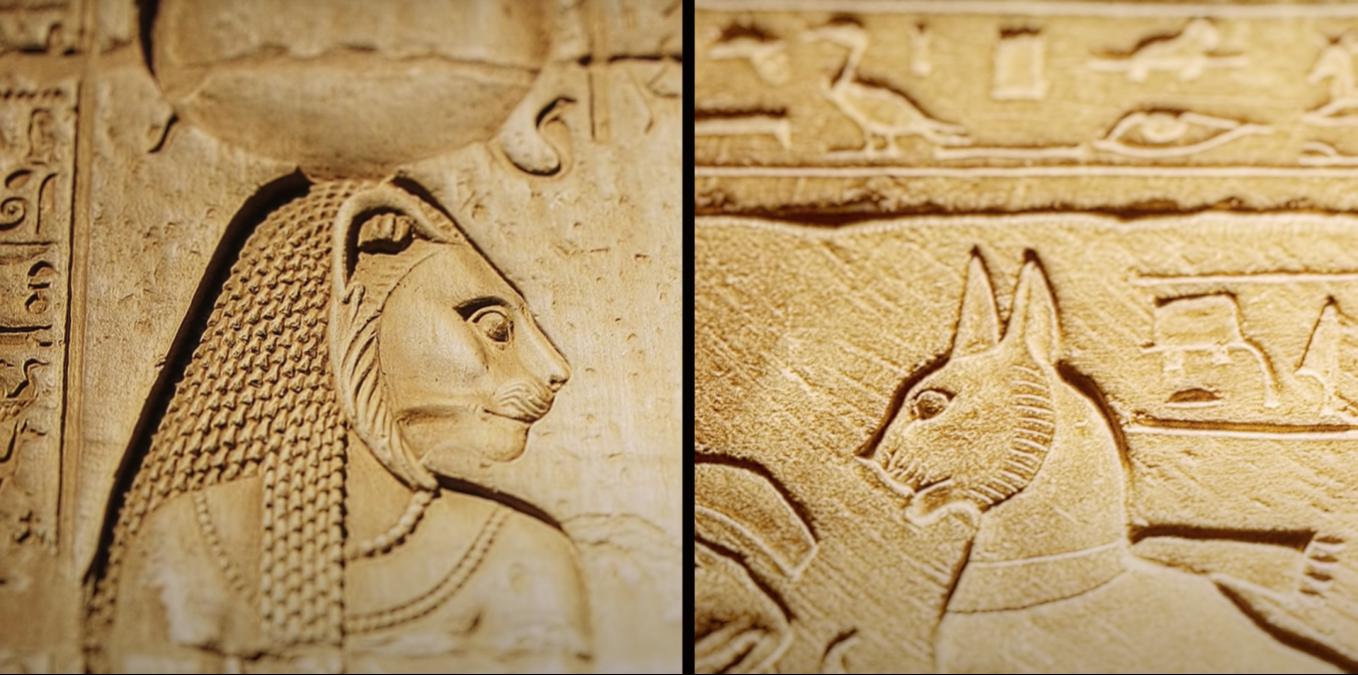
The story of bastet egyptian goddess begins thousands of years ago ...

The City of Memphis is a timeless treasure waiting to be discovered. Located just south of modern-day Cairo, Memphis was once the beating heart of ancient Egypt—an imperial capital where pharaohs walked, priests chanted sacred rituals, and artisans sculpted masterpieces in stone. Today, it offers curious travelers a journey not only into the birthplace of Egyptian civilization but into the origins of monumental history itself.

Key Takeaways
Founded by King Menes (also known as Narmer), Memphis served as Egypt’s capital for nearly 1,000 years. It remained a political, religious, and economic center throughout the Old Kingdom, and its importance extended into the Middle and New Kingdoms as well.
Ptah was the creator god in ancient Egyptian mythology, and Memphis was his city. The Temple of Ptah was once among the most magnificent religious complexes in Egypt. While much of it lies in ruins today, the temple’s spiritual aura remains powerful.
One of the site’s most famous highlights is the colossal limestone statue of Ramses II, lying in a sheltered area within the open-air museum. The level of craftsmanship and detail, even after centuries of erosion, leaves a lasting impression on every visitor.
Another stunning piece within the open-air museum is the Alabaster Sphinx of Memphis, carved from a single massive piece of alabaster. Weighing over 80 tons, it’s believed to represent either Hatshepsut or Amenhotep II and symbolizes power and divine authority.

If you’re planning your Egypt trip in 2025, make sure you set aside a few hours to explore the City of Memphis. Here’s what awaits you:
This museum houses several of the key artifacts discovered in Memphis, including:
The museum is compact, allowing for a leisurely visit without the exhaustion of larger complexes.
While many of Memphis’ structures have crumbled over time, you can still see remnants of temples and statues scattered across the site. They offer a vivid sense of scale and grandeur.
Hiring a licensed guide can elevate your visit dramatically. Many guides are historians with deep knowledge of ancient Egypt, and their storytelling brings the ruins to life.
A trip to Memphis pairs perfectly with surrounding sites such as:

The most enjoyable months to explore Memphis are between October and April, when Egypt’s weather is mild and comfortable for sightseeing. In 2025, consider scheduling your trip in March or November to avoid peak tourist seasons while enjoying cooler temperatures.
Avoid the midday heat by visiting early in the morning or late in the afternoon. You’ll find the site quieter and the lighting better for photography.
To make the most of your visit to the City of Memphis, keep the following in mind:
Despite being overshadowed by Giza in modern tourism, Memphis retains profound cultural value. The site reflects Egypt’s early mastery of politics, engineering, and religion. Visiting Memphis is not just a tour—it’s a step into the origins of one of the world’s greatest civilizations.
Modern efforts by the Egyptian government and international archaeologists aim to preserve and promote the site. In 2025, initiatives for site restoration and digital mapping are underway, offering improved visitor experiences and deeper insights.
If you’re crafting your perfect 2025 Egypt itinerary, here are nearby places you should include along with the City of Memphis:
Just 7 kilometers from Memphis, Saqqara features:
Dahshur is quieter than Giza and holds two of Egypt’s best-preserved pyramids:
No trip is complete without seeing:
Pairing Giza with Memphis and Saqqara offers a complete journey through Egypt’s architectural evolution.
After walking through history, you’ll likely want to refuel. The surrounding area offers some simple but authentic Egyptian food experiences:
For a more upscale experience, return to Cairo where you’ll find excellent Middle Eastern and Mediterranean restaurants.
Capture the essence of Memphis with these photography tips:
In 2025, more travelers are sharing their journeys on social media. Memphis provides that “off-the-beaten-path” aesthetic that modern explorers crave.
Travelers in 2025 are more conscious of their impact. Here’s how you can visit Memphis responsibly:
Your responsible visit helps ensure the preservation of Memphis for generations to come.
The City of Memphis is not merely a stop on your itinerary—it’s a portal into humanity’s earliest strides toward culture, architecture, and governance. Its significance in ancient history is unmatched, and visiting in 2025 allows you to experience it with renewed accessibility and improved infrastructure.
While others flock to the pyramids, you can step off the beaten path and wander through what was once the center of the known world. From massive statues to quiet temple ruins, every stone in Memphis whispers the secrets of a once-mighty capital.
So if your travel plans include Egypt in 2025, make sure the City of Memphis isn’t just an afterthought—it should be a highlight.
The story of bastet egyptian goddess begins thousands of years ago ...
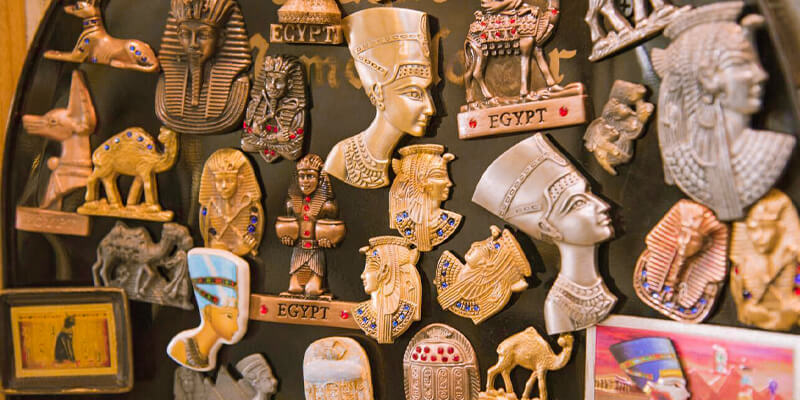
What to buy in Egypt in 2026 is one of the most common questions tr...
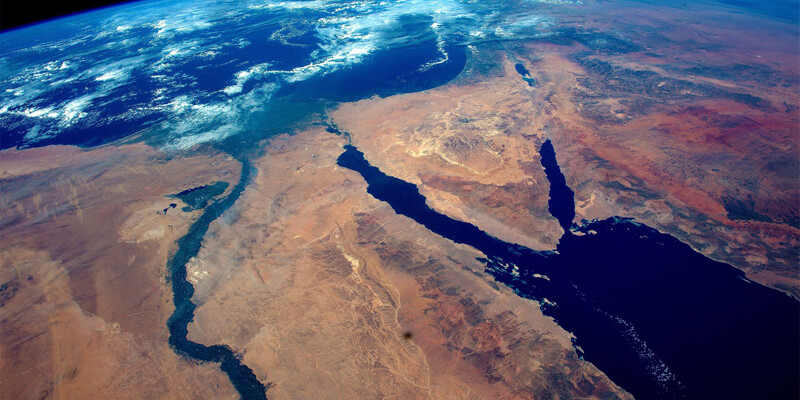
Where is located Egypt? Many travellers and readers search this exa...


We offer tours to Egypt’s most famous destinations such as the Pyramids and Sphinx in Giza, Karnak Temple and Luxor, Valley of the Kings, Sharm El Sheikh and Hurghada for beaches and diving, and Alexandria.
We provide organized tours, luxury hotel and resort bookings, comfortable transportation services, experienced tour guides, and activity ticket bookings such as diving, desert safaris, and Nile cruises.


