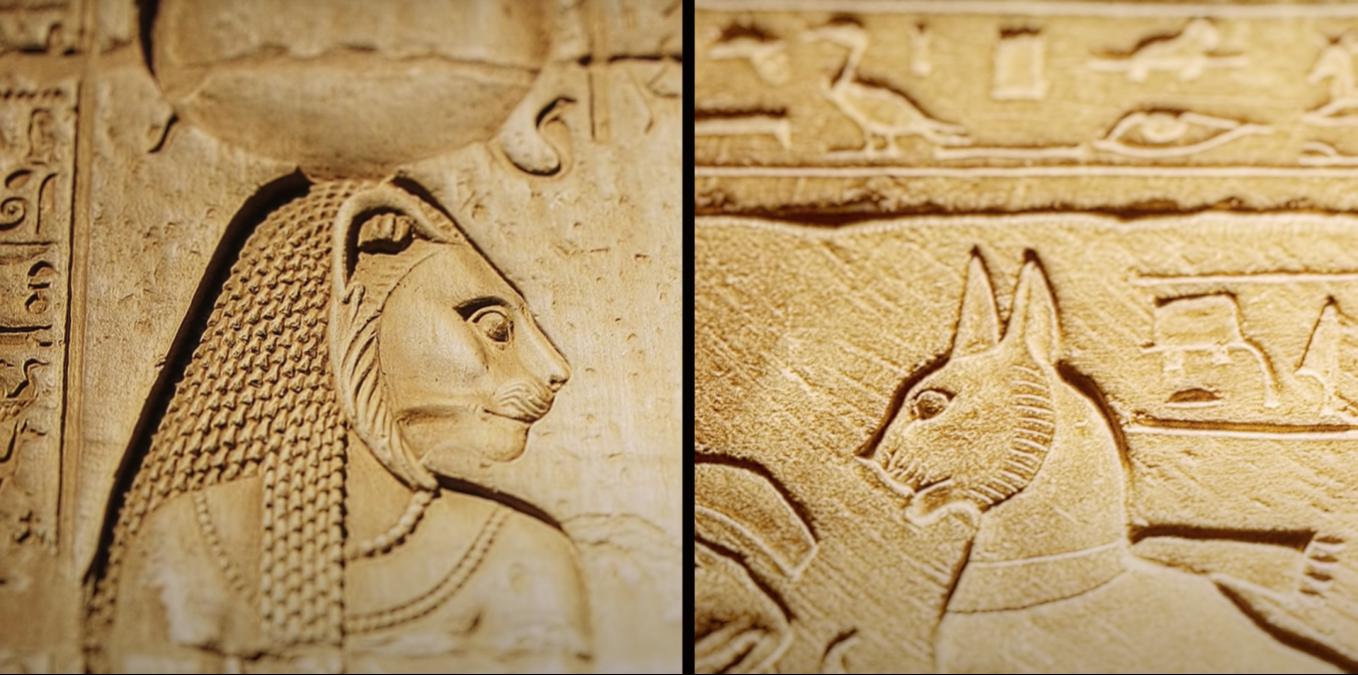
The story of bastet egyptian goddess begins thousands of years ago ...

Aswan City is a captivating destination in southern Egypt that offers a unique blend of ancient heritage, scenic landscapes, and authentic cultural experiences. Located on the east bank of the Nile River, it is one of the oldest continuously inhabited cities in the world. Visitors traveling to Egypt are often drawn to Aswan for its peaceful atmosphere, historical treasures, and unmatched natural beauty that sets it apart from other destinations across the country.

Once known as Swenett, Aswan served as a strategic gateway to the rest of Africa. Throughout ancient times, it was the southern frontier of Egypt and a key trade center that connected the country to Nubia. The city flourished thanks to its vital role in commerce and its location along the Nile. Granite quarries in Aswan supplied stones used in many of Egypt’s iconic monuments, including the pyramids and obelisks.
Walking through Aswan today, visitors still feel the presence of its long history. From ancient temples to Nubian villages, Aswan holds stories that stretch back thousands of years.
Among Aswan’s most impressive historical landmarks is the Temple of Philae, dedicated to the goddess Isis. This stunning complex was originally located on Philae Island but was relocated to nearby Agilkia Island in the 1960s to protect it from rising waters caused by the construction of the Aswan High Dam.
Accessible by a short boat ride, the temple offers an unforgettable experience. Its detailed carvings, large columns, and peaceful setting transport visitors to a time when gods and goddesses were believed to walk among humans. Evening light and sound shows add another dimension, allowing tourists to enjoy the temple in a dramatic and atmospheric way.
Another major site in Aswan is the Unfinished Obelisk, found in a granite quarry just outside the city center. Had it been completed, it would have been the largest known ancient obelisk, standing nearly 42 meters tall. The obelisk, however, cracked during carving and was left abandoned. Today, it provides an incredible glimpse into the techniques used by ancient Egyptians to create these monumental structures using simple tools and incredible skill.
Visitors to the site can walk around the obelisk and examine the chisel marks, offering a real connection to the past. It’s a must-see for those interested in ancient architecture and craftsmanship.

What makes Aswan truly unique is its deep connection to Nubian culture. The Nubians are indigenous to southern Egypt and northern Sudan and have preserved many of their customs, language, and traditions. Their homes are known for their colorful designs, curved roofs, and warm atmosphere.
A visit to a Nubian village is an enriching experience for travelers. Many villages are located along the Nile and are accessible by felucca or motorboat. Here, guests are welcomed into local homes, offered traditional meals, and introduced to music, crafts, and stories that have been passed down through generations.
This cultural exchange is not only educational but also heartwarming. The hospitality of the Nubian people leaves a lasting impression on visitors, many of whom describe it as a highlight of their trip.
One of the most modern achievements in Aswan is the construction of the Aswan High Dam. Completed in the 1970s, it brought major changes to Egypt’s economy and environment by controlling the annual flooding of the Nile and providing hydroelectric power.
Visitors can tour the dam and enjoy panoramic views of the massive Lake Nasser, one of the world’s largest artificial lakes. Lake Nasser stretches deep into the south, and cruising on its calm waters reveals secluded temples and a side of Egypt that few get to experience.
The lake is also home to the relocated temples of Abu Simbel. While technically located about 3 hours from Aswan, most travelers include this destination as part of their Aswan itinerary due to its historical significance and stunning setting.
The twin temples of Abu Simbel, built by Ramses II, are among the most awe-inspiring monuments in Egypt. They were also relocated in an ambitious UNESCO project to save them from being submerged under Lake Nasser.
Carved directly into a sandstone cliff, the temples feature colossal statues of Ramses II that dominate the façade. Inside, visitors find beautifully preserved murals and chambers that honor both the pharaoh and his beloved queen, Nefertari.
The early morning journey from Aswan to Abu Simbel is popular among travelers, and the sight of the temples at sunrise is something many describe as unforgettable.
Few experiences capture the spirit of Aswan like sailing on a traditional felucca. These wooden sailboats glide gracefully along the river, offering serene views of the desert landscape, islands, and city skyline.
A felucca ride around Elephantine Island, Kitchener’s Island, or at sunset is often one of the most peaceful moments of a trip to Egypt. Travelers can unwind, watch birds fly overhead, and take in the unique contrast between the lush riverbanks and arid cliffs.
Many tours also include visits to botanical gardens, abandoned ruins, or peaceful sandy beaches along the Nile’s edge. It’s the perfect way to slow down and connect with the tranquil rhythm of the river.
Elephantine Island lies at the center of Aswan and offers a blend of history and quiet charm. Once an important trading post, the island is home to archaeological sites, Nubian villages, and the Aswan Museum.
Visitors can explore the ruins of ancient temples and see remnants of a Nilometer, an ancient structure used to measure the river’s water level. The island is also a great place to stroll among palm trees, interact with locals, and observe daily life along the river.
For travelers looking to take home a piece of Aswan, the city’s traditional markets offer a variety of handmade goods and souvenirs. The Aswan Souk is one of the most vibrant in Egypt, filled with spices, jewelry, textiles, and Nubian crafts.
Walking through the market is a sensory journey. The scent of frankincense and cinnamon fills the air, while colorful fabrics and baskets line the stalls. Bargaining is part of the experience, and many shopkeepers are happy to share stories about their products.
This is an ideal place to pick up unique items such as handwoven scarves, local perfumes, or pottery made by Nubian artisans.

Aswan has a desert climate with hot, sunny days for most of the year. The best time to visit is from October to April when temperatures are milder, making it more comfortable to explore outdoor sites.
During winter, the weather in Aswan is ideal for sightseeing, river cruises, and day trips. The clear skies and golden light also create excellent conditions for photography.
Although summer can be extremely hot, it’s also less crowded, and some travelers prefer the quieter atmosphere and reduced accommodation prices during this period.
Aswan offers a range of accommodation options, from luxurious riverside resorts to charming guesthouses. Many hotels are situated directly along the Nile and offer spectacular views of the water and desert beyond.
Local cuisine in Aswan reflects a blend of Egyptian and Nubian influences. Popular dishes include lentil soup, grilled meats, and traditional stews served with rice or bread. Many restaurants also serve fish fresh from the Nile. For a special dining experience, consider booking a meal at a restaurant overlooking the river during sunset.
Getting to Aswan is easy, with regular flights from Cairo and other major Egyptian cities. The city is also accessible by train, with scenic journeys that offer a relaxed and comfortable travel option.
Once in Aswan, taxis, tuk-tuks, and boats make it simple to move between attractions. Many guided tours include transportation, making it easier for travelers to explore without stress.
What makes Aswan stand out is the combination of peaceful surroundings, rich history, and genuine cultural connections. Unlike the fast pace of some larger cities, Aswan offers a more relaxed environment where visitors can truly unwind and immerse themselves in the beauty and heritage of southern Egypt.
Many travelers describe their time in Aswan as one of the most memorable parts of their Egyptian adventure. Whether exploring temples, sailing the Nile, or sharing tea with locals, the experiences found here create lasting memories and often inspire return visits.
Including Aswan in your Egypt itinerary adds depth and variety to your travel experience. It complements the grandeur of Cairo and the wonders of Luxor with a more intimate and authentic look at Egyptian life and culture.
For the best experience, plan to stay at least two to three days in the city. This allows time to explore major sites, enjoy a felucca ride, visit a Nubian village, and consider a day trip to Abu Simbel.
Working with a trusted travel agency can help you organize tours, secure transportation, and choose accommodations that suit your preferences. Guided experiences can also enhance your understanding of Aswan’s history and ensure you don’t miss the hidden gems.
The story of bastet egyptian goddess begins thousands of years ago ...
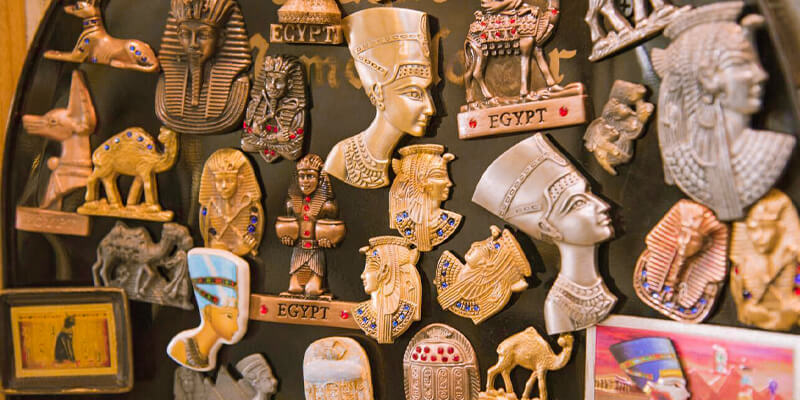
What to buy in Egypt in 2026 is one of the most common questions tr...
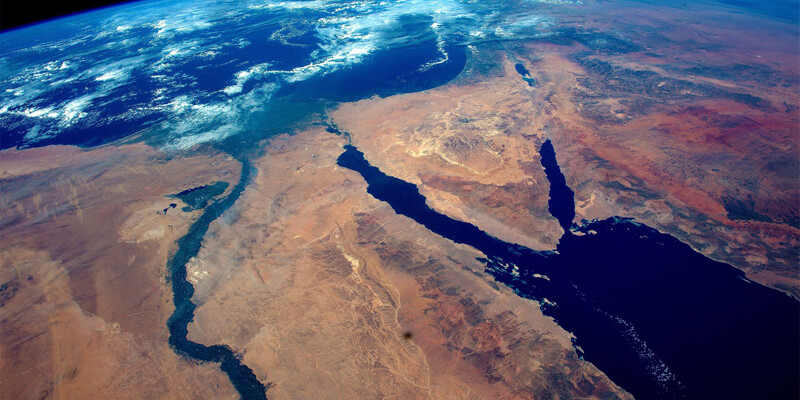
Where is located Egypt? Many travellers and readers search this exa...


We offer tours to Egypt’s most famous destinations such as the Pyramids and Sphinx in Giza, Karnak Temple and Luxor, Valley of the Kings, Sharm El Sheikh and Hurghada for beaches and diving, and Alexandria.
We provide organized tours, luxury hotel and resort bookings, comfortable transportation services, experienced tour guides, and activity ticket bookings such as diving, desert safaris, and Nile cruises.


