The story of bastet egyptian goddess begins thousands of years ago ...
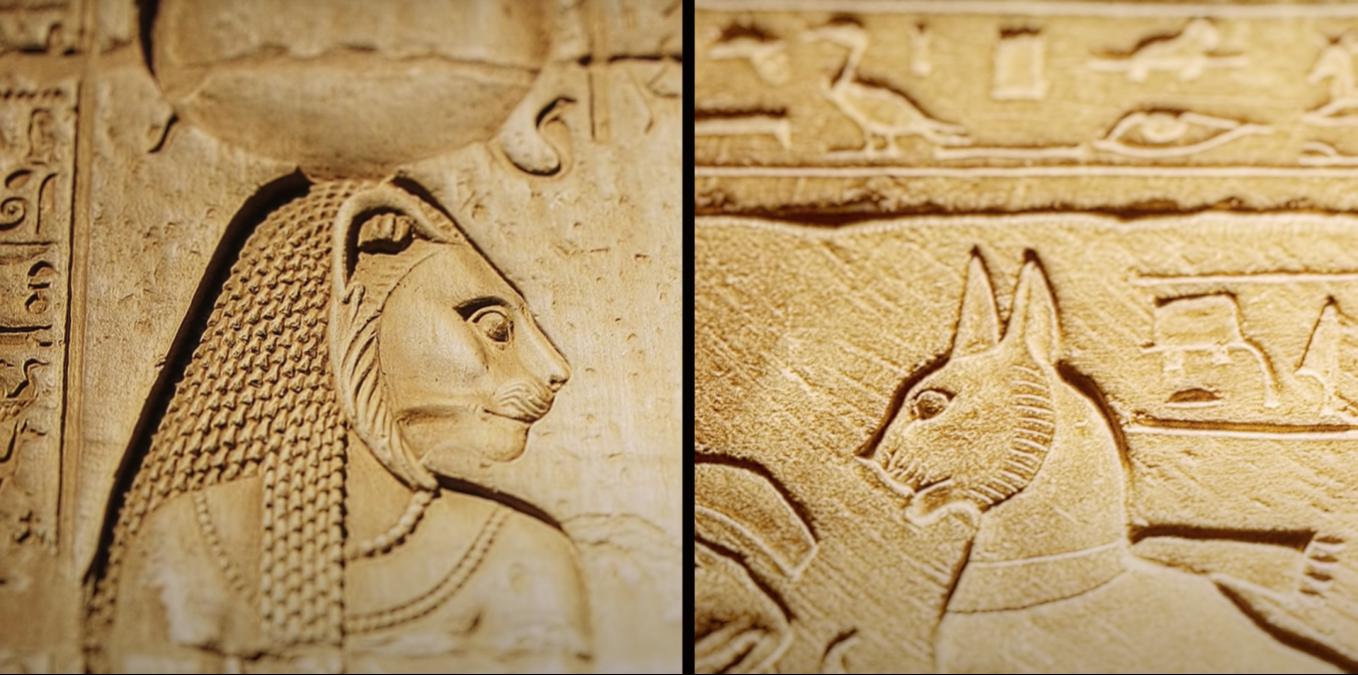

Ancient Egypt and hieroglyphics form one of the most fascinating chapters in human history. When travelers plan their journey to Egypt with our travel agency 5 Stars Egypt Tours, the images that immediately come to mind are pyramids covered with carving symbols, mysterious temples decorated with ancient egypt hieroglyphics pictures and meanings, and the endless secrets written in old texts that shaped the entire civilization along the Nile.
These hieroglyphs were not just beautiful drawings; they were the heartbeat of ancient writing in Egypt, documenting religion, royalty, farming, daily life, and the afterlife. Today, visitors can witness these symbols on temple walls, papyrus scrolls, tomb chambers, and massive stone monuments across Luxor, Aswan, and Cairo.
Understanding the story of ancient egypt hieroglyphics and meanings helps travelers appreciate every carving they see in places like Karnak, Philae, Edfu, Abu Simbel, and the Valley of the Kings. Each symbol carries powerful interpretations, and many reflect how Egyptians understood the world, their gods, and what came after death.
When we explore temples tombs and hieroglyphs a popular history of ancient egypt becomes a living experience rather than a written book. This is why learning the basics of the ancient egyptian alphabet and hieroglyphics meaning enhances every traveler’s journey, especially students and history lovers looking to connect with an authentic past.
Historians consider hieroglyphs one of the most advanced systems of ancient writing. Unlike other scripts, hieroglyphic writing used pictures to represent sounds, ideas, names, and actions. This is why people often ask: “How are hieroglyphics different from any other writing system?” The answer is simple—hieroglyphics combined sound-signs, symbols, and meanings in a multi-layered code.
Ancient egyptian hieroglyphics could express an entire idea using one symbol or describe a full sentence through a series of alphabet in egyptian hieroglyphs. Many travelers today enjoy learning abc in hieroglyphics or their names written in the hieroglyphic alphabet as a memorable souvenir from Egypt.
One of the most important questions is: “Who commonly could read and write hieroglyphics in ancient Egypt?” The answer lies in the work of ancient egypt scribes and hieroglyphics. These scribes were educated elites who documented everything from tax records to royal ceremonies. Without them, we would not have the hieroglyphics ancient Egyptian temples, tombs, and papyrus scrolls that shape our understanding today.
Travelers also often wonder: “Why were papyrus and hieroglyphics important in ancient Egypt?” They were the foundation of communication, science, and religion. Papyrus helped preserve stories of gods, kings, and daily life. It also allowed Egyptians to express their beliefs about eternity, explaining hieroglyphs and the afterlife in ancient Egypt, a topic still explored today by egyptology hieroglyphics scholars.
When visiting Egypt, you’ll see hieroglyphics everywhere—on obelisks, walls, coffins, statues, and even ancient egyptian cities in hieroglyphs maps inside museums. Understanding the basics of hieroglyphs meaning, hieroglyph patterns, and symbols in hieroglyphics makes the experience more rewarding. Whether you’re exploring the temples by day or reading an ancient egypt images and hieroglyphics guide during your Nile cruise, these symbols transform simple sightseeing into deep discovery.
| Letter | Hieroglyph | Sound / Concept |
|---|---|---|
| A | 𓀀 | “A” as in “father” |
| B | 𓁹 | “B” as in “bat” |
| D | 𓂝 | “D” as in “dog” |
| E | 𓄡 | “E” as in “bed” |
| F | 𓆓 | “F” as in “fun” |
| G | 𓇠 | “G” as in “go” |
| H | 𓈙 | “H” as in “hat” |
| I | 𓇙 | “I” as in “machine” |
| K | 𓉐 | “K” as in “kite” |
| L | 𓌠 | “L” as in “lamp” |
| M | 𓂋 | “M” as in “man” |
| N | 𓄿 | “N” as in “net” |
| O | 𓊪 | “O” as in “hot” |
| P | 𓊖 | “P” as in “pen” |
| Q | 𓋴 | “Q” as in “queen” |
| R | 𓎛 | “R” as in “rat” |
| S | 𓋾 | “S” as in “sun” |
| T | 𓏲 | “T” as in “top” |
| U | 𓋵 | “U” as in “put” |
| V | 𓍢 | “V” as in “vase” |
| W | 𓎬 | “W” as in “water” |
| X | 𓎼 | “X” as in “box” |
| Y | 𓏹 | “Y” as in “yes” |
| Z | 𓎟 | “Z” as in “zoo” |
| Hieroglyph | Sound / Letter | Description / Meaning | Type |
|---|---|---|---|
| 𓀀 | A | A man with a beard | Consonant |
| 𓏲 | A | A vulture | Consonant / Vowel |
| 𓂋 | R | A mouth | Consonant / Logogram (“speak”) |
| 𓎼 | D | A hand / lion | Consonant / Semitic Sign |
| 𓊪 | I | A reed | Vowel / Consonant |
| 𓇋 | I | A reed | Vowel |
| 𓄿 | A | A vulture | Vowel |
| 𓏤 | S | A snake | Semitic Sign / Syllable |
| 𓅓 | M | Loaf of bread | Logogram |
| 𓈖 | – | Seated figure (used for gods or important people) | Determinative |
| 𓈛 | – | Circle with a dot (related to earth) | Determinative |
| Temple Name | Location | Dynasty / Period | Notable Hieroglyphic Features |
|---|---|---|---|
| Karnak Temple | Luxor | Middle Kingdom – Ptolemaic | Extensive wall reliefs and inscriptions detailing rituals, Pharaohs’ deeds, and offerings to gods. |
| Luxor Temple | Luxor | New Kingdom | Hieroglyphs depicting royal ceremonies, gods, and festivals like Opet Festival. |
| Abu Simbel Temples | Aswan | 19th Dynasty (Ramses II) | Large hieroglyphic inscriptions praising Ramses II and depicting gods; famous for colossal statues. |
| Dendera Temple Complex | Qena | Ptolemaic Period | Temple of Hathor contains detailed astronomical and mythological hieroglyphs, including the famous zodiac ceiling. |
| Edfu Temple | Edfu | Ptolemaic Period | Temple of Horus features inscriptions detailing religious rituals, myths, and historical records. |
| Philae Temple | Aswan | Ptolemaic – Roman | Hieroglyphic reliefs depict the worship of Isis and include inscriptions on temple walls and pylons. |
| Kom Ombo Temple | Aswan | Ptolemaic Period | Unique dual temple for Sobek and Horus with hieroglyphs on medicine, farming, and religious rituals. |
| Saqqara Complex (Step Pyramid) | Saqqara | Old Kingdom | Pyramid Texts and tomb hieroglyphs with funerary spells and guidance for the afterlife. |
| Abydos Temple | Abydos | Early Dynastic – Ptolemaic | Includes inscriptions of Pharaohs, lists of kings, and religious hieroglyphs connected to Osiris. |
| Medinet Habu | Luxor | New Kingdom | Mortuary temple of Ramses III; contains detailed battle reliefs and religious hieroglyphics. |
| Hatshepsut Temple | Deir el-Bahari | 18th Dynasty | Hieroglyphs depicting the divine birth of Hatshepsut and religious rituals. |
| Esna Temple | Esna | Ptolemaic Period | Hieroglyphic inscriptions detailing religious ceremonies and offerings to Khnum. |
| Dendera Light Temple (small chapels) | Dendera | Ptolemaic Period | Hieroglyphs in crypts illustrating Egyptian cosmology, creation myths, and daily life rituals. |
| Temple of Seti I | Abydos | 19th Dynasty | Contains the Abydos King List and inscriptions of Pharaohs’ genealogies and religious texts. |
| Temple of Montu | Armant | Middle Kingdom – New Kingdom | Hieroglyphs detailing Montu worship, festivals, and agricultural rituals. |
The story of ancient Egypt and hieroglyphics begins more than 5,000 years ago, long before the rise of the great pyramids. Hieroglyphics were not suddenly invented; they evolved naturally as Egyptians searched for ways to record their beliefs, farming activities, trade, and political events. Early carvings found on pottery, tomb walls, and ivory tags show that symbols slowly developed into the ancient writing in Egypt that we now call egyptian hieroglyphics. These early signs represented animals, tools, gods, and natural elements that played important roles in daily life. Over centuries, Egyptians organized these signs into a complex writing system known as the ancient Egyptian alphabet, where each hieroglyph had a specific sound, meaning, or symbolic purpose.
As Egypt grew into a unified kingdom under Narmer, writing became essential for management and communication. This period marked the first major use of hieroglyphs and hieroglyphics in government and temple administration. Artifacts from Abydos, including abydos hieroglyphs, reveal early forms of writing used to identify kings, record offerings, and label sacred objects. These discoveries help historians define hieroglyphics as one of the earliest systems capable of expressing language, ideas, and emotions visually. This is why researchers often refer to the script using terms like hieroglyphic writing, hieroglyphic script definition, and egyptian language hieroglyphics.
One of the reasons hieroglyphics became deeply rooted in Egyptian culture was their artistic beauty. Unlike other writing systems, hieroglyphs were carefully drawn rather than written quickly. Each sign acted like a small picture, which explains why travelers often search for ancient Egypt hieroglyphics pictures and meanings. Egyptians believed writing carried magical power; carving a name in stone ensured it lived forever. This belief explains why hieroglyphs appear on temples, tombs, and royal monuments, connecting writing to eternity and the afterlife.
Another fascinating question travelers ask is: “What was hieroglyphics used for?” It was the foundation of everything: religion, agriculture, laws, taxes, and even personal letters. Records of harvesting, storage, and distribution reveal the importance of hieroglyphics and farming in ancient Egypt, while temple inscriptions show the connection between hieroglyphics and religious rituals. These inscriptions were not just historical notes; they carried symbolic meanings that explained how Egyptians viewed creation, gods, and the universe.
While exploring Egypt today, travelers can see inscriptions carved with incredible precision at temples like Karnak, Kom Ombo, Esna and Dendera. These carvings contain ancient egypt hieroglyphics and their meaning, showing kings offering gifts to gods, priests performing rituals, or stories about victories, festivals, and cosmic events. Some hieroglyphs were phonetic (like letters in egyptian hieroglyphics), while others represented ideas or objects. Understanding this helps visitors appreciate what is hieroglyphics beyond simple drawings.
Another question that arises is: “How are hieroglyphics different from any other writing system?” Unlike alphabet-based scripts, hieroglyphics used hundreds of symbols, each with multiple meanings depending on context. This flexibility allowed Egyptians to express complex concepts with elegance and detail. The combination of sound symbols, word signs, and determinatives made hieroglyphs one of the most advanced scripts in human history.
For travelers visiting Egypt, learning the origins of hieroglyphics gives context to everything you see during your tours—whether you’re walking through Luxor Temple at night, exploring tombs in the West Bank, or reading ancient egypt images and hieroglyphics at museums. Each symbol is more than decoration; it is a message sent across thousands of years, waiting to be understood.
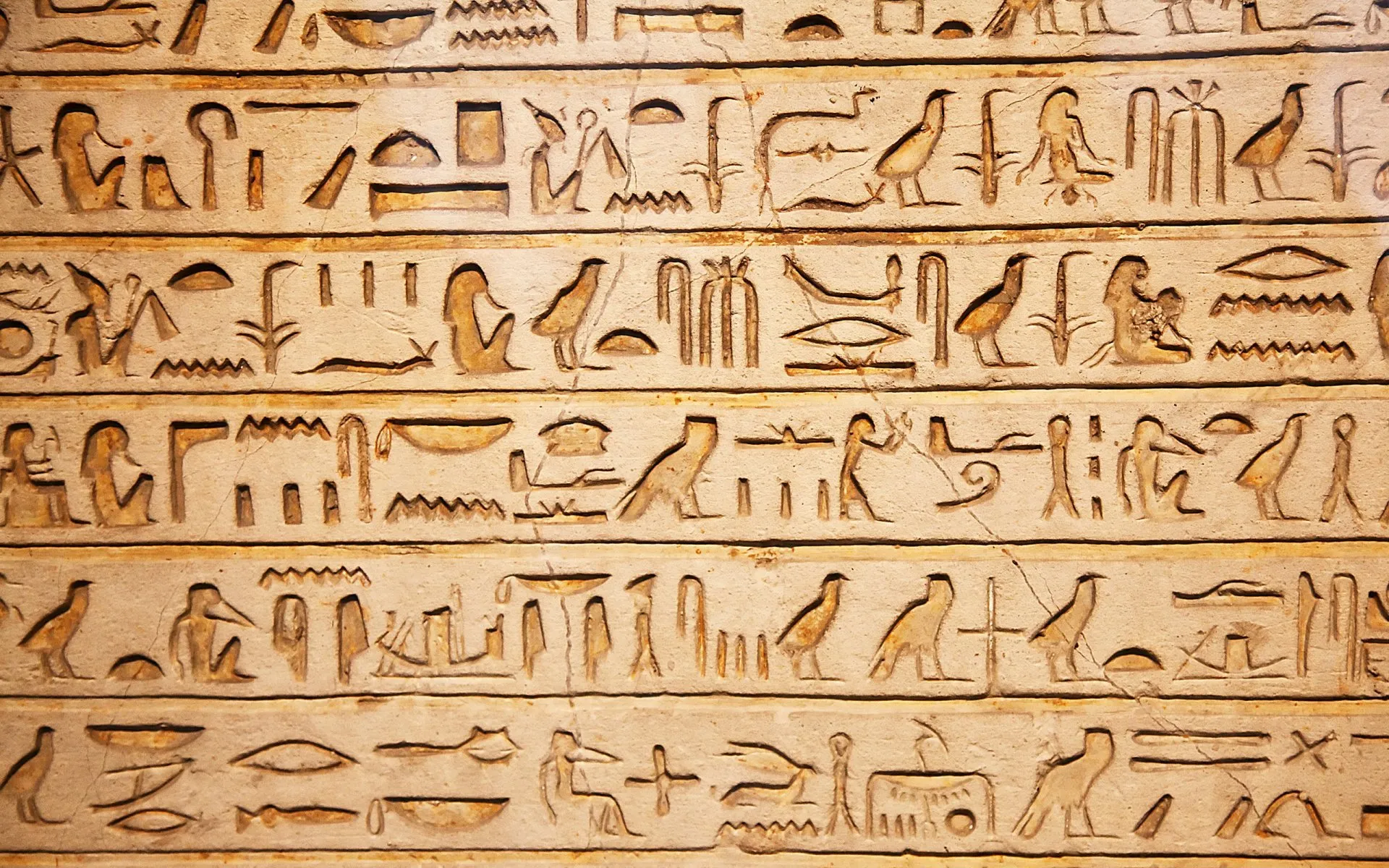
To truly understand ancient Egypt and hieroglyphics, travelers and students often begin by exploring how the writing system was structured. Unlike modern alphabets, which rely on simple letters, egyptian hieroglyphs formed a rich, multi-layered system where pictures expressed sounds, ideas, meanings, and even emotions. This structure made hieroglyphics one of the most advanced writing methods in human history and is the reason people still study hieroglyphics definition and hieroglyphs definition today.
The hieroglyphic system consisted of three main categories: phonograms, ideograms, and determinatives. Phonograms represented sounds and functioned like the ancient Egyptian alphabet in hieroglyphics, allowing scribes to spell out names, places, and foreign words. These symbols are what most travelers recognize when learning abc in hieroglyphics or writing their names using the hieroglyphic alphabet. Ideograms represented whole words or objects, such as “sun,” “house,” or “king.” Determinatives, on the other hand, were silent symbols placed at the end of words to clarify meaning. This smart design helped scribes avoid confusion when a word had multiple meanings. It is one of the reasons people often wonder: “How are hieroglyphics different from any other writing system?”
Every hieroglyphic inscription followed specific rules. Signs could be written in rows or columns, from left to right or right to left. The direction depended on which way the symbols faced. If the birds or people in the text looked left, the writing flowed left. If they looked right, the writing proceeded in the opposite direction. This flexibility is a distinctive feature of hieroglyphic writing and answers the common question: “What is the hieroglyphics system and how do you read hieroglyphics?”
Ancient Egyptians also used different types of scripts depending on purpose. The decorative and sacred version was the standard hieroglyphic script carved on temples and monuments. The cursive version, known as hieratic, was used for everyday writing on papyrus. Later, a simplified form called demotic became common during daily administration. Understanding these layers helps travelers appreciate the complexity of ancient hieroglyphics beyond what is seen on walls or papyrus sheets.
The hieroglyphic system contained more than 700 basic symbols, but variations and combinations raise the total to thousands. These symbols included animals, plants, tools, body parts, celestial elements, and symbols of the gods. Some famous examples include the ankh (life), scarab (rebirth), and feathers (truth). Many visitors search for hieroglyphics symbols, symbols in hieroglyphics, and hieroglyph patterns to understand the deeper meanings behind what they see on temple walls. These symbols allow tourists and history lovers to interpret carvings they encounter throughout Egypt.
One of the fascinating aspects of ancient egypt hieroglyphics and meanings is how scribes combined symbols to create complex ideas. A simple bird could represent a sound, while a combination of birds could describe a city. For example, maps showing ancient Egyptian cities in hieroglyphs revealed geographic knowledge and political structure. Travelers exploring museums in Cairo and Luxor can often spot these maps carved on stone steles.
Another interesting feature is the alphabet in Egyptian hieroglyphs, which was not a true alphabet like modern languages. Instead, it represented consonant sounds similar to how today’s Semitic languages function. Students and travelers still love learning the egyptian hieroglyphic alphabet, especially when writing their names or decoding short messages from temples.
Understanding the structure of hieroglyphics helps travelers appreciate why Egyptians considered writing sacred. Each symbol carried historical importance, artistic beauty, and spiritual significance. This is why the script survived for more than 3,000 years and remains one of the strongest links between modern explorers and ancient civilization.
The hieroglyphic alphabet is one of the most fascinating aspects of ancient Egypt and hieroglyphics, especially for travelers, students, and anyone curious about how ancient Egyptians wrote names, places, prayers, and royal titles. While many people imagine that hieroglyphics were only drawings, the reality is that Egyptians created a structured system similar to an alphabet, where certain symbols represented individual sounds. This system is the foundation of what travelers often search for as the hieroglyphics alphabet, alphabet in Egyptian hieroglyphs, and ancient Egyptian alphabet.
Unlike modern alphabets with vowels and consonants, the ancient Egyptian alphabet in hieroglyphics mostly relied on consonant sounds. Each sign represented a single consonant, known as a “uniliteral sign.” For example, the owl symbol represented the “M” sound, while a reed leaf represented the “I/Y” sound. These uniliteral signs allowed scribes to spell names phonetically, which is why many visitors enjoy learning ABC in hieroglyphics or writing their names using the Egyptian hieroglyphic alphabet as a unique souvenir during their trip.
Beyond the simple letter-sounds, the ancient writing system included biliteral and triliteral signs, which represented two or three consonants together. These combinations helped scribes write complex words more efficiently. Travelers often recognize these symbols in temples and tombs, especially when looking at pharaoh names inside cartouches. This deeper structure explains why people ask: “How are hieroglyphics different from any other writing system?” The complexity and flexibility of the system made it unique among ancient scripts.
A major reason travelers remain fascinated with the hieroglyphic alphabet is the meaning behind each symbol. Every sign had a visual connection to the sound it represented. For example, a mouth symbol represented the “R” sound, but it also symbolized speech and power. A vulture represented the “A” sound but also symbolized protection and motherhood. This combination of sound and symbolic interpretation explains why many people search for ancient Egypt hieroglyphics pictures and meanings or hieroglyphics meanings.
Some hieroglyphs held spiritual significance as well. The scarab sign symbolized rebirth, the ankh symbolized life, and the feather represented truth and justice. These symbols appear frequently in Egyptian temples, and understanding them enriches the travel experience. Many travelers ask about the meaning of hieroglyphics, looking for ways to interpret the carvings they see during tours in Luxor, Edfu, Dendera, and Saqqara.
Another important part of the hieroglyphic alphabet is the use of determinatives—silent symbols placed at the end of words to clarify meaning. For example, a figure of a man at the end of a word indicated that the word referred to a person. A papyrus scroll symbol represented an abstract idea. These determinatives help explain why scholars emphasize the difference between sound signs and meaning signs when giving the definition of hieroglyphics or teaching people how to read hieroglyphics.
Travelers exploring Egypt will notice that the alphabet appears everywhere: on obelisks in Karnak, tomb walls in the Valley of the Kings, statues in Cairo Museum, and even ancient egyptian cities in hieroglyphs maps displayed inside temples. Learning the basics of the alphabet allows visitors to recognize names of famous kings such as Ramses, Seti, or Tutankhamun.
Understanding the hieroglyphic alphabet is more than learning symbols. It is discovering how ancient Egyptians expressed identity, power, religious belief, and daily life. Each sign carries thousands of years of history, making it one of the most iconic writing systems in the world.
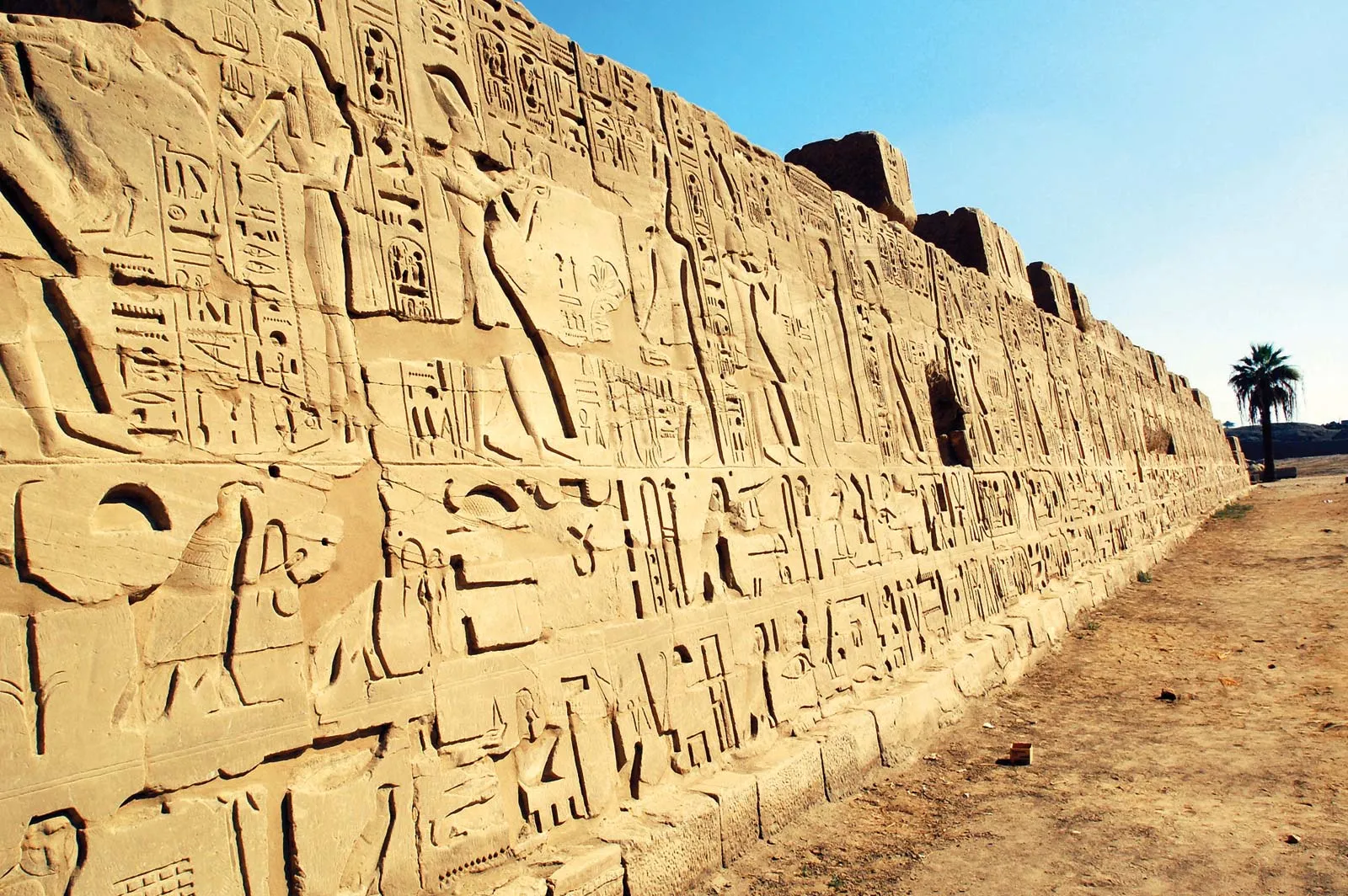
In the world of ancient Egypt and hieroglyphics, scribes held a position of immense importance. These individuals were not merely record-keepers; they were the guardians of knowledge, culture, and religion. Understanding the role of ancient Egypt scribes and hieroglyphics gives travelers and history lovers a deeper appreciation for the inscriptions and texts found throughout Egypt—from temple walls to tombs and papyrus scrolls.
Scribes were highly educated individuals trained from a young age in reading and writing hieroglyphics. Unlike ordinary citizens, who often could not read or write, scribes mastered the hieroglyphic alphabet, phonograms, ideograms, and determinatives, allowing them to produce texts with precision. They documented royal decrees, tax records, religious rituals, and historical events. This is why many scholars emphasize who commonly could read and write hieroglyphics in ancient Egypt, highlighting that literacy was a specialized skill, crucial for administration and preserving cultural heritage.
One fascinating aspect of their work is how scribes combined artistry and writing. Hieroglyphs were not just functional; they were a form of art, carefully drawn to convey both meaning and visual appeal. For example, in tomb inscriptions, scribes ensured that symbols depicted gods, offerings, and daily activities with clarity. Travelers exploring sites like the Valley of the Kings, Luxor Temple, and Saqqara often marvel at these precise carvings. Understanding their work enhances the experience of studying ancient egypt hieroglyphics pictures and meanings.
Scribes also played a vital role in religion and the afterlife. They wrote texts that guided souls on their journey beyond death, linking hieroglyphs and the afterlife in ancient Egypt. These writings include spells, prayers, and guidance, often recorded on walls of tombs or papyrus scrolls buried with the deceased. For travelers interested in Egyptology, these inscriptions reveal not just artistic skill but a profound understanding of spiritual beliefs and cosmic order.
Another key responsibility of scribes was education and administration. They trained apprentices, recorded land ownership, managed harvests, and even kept detailed accounts of temple offerings. This work connects directly to hieroglyphics and farming in ancient Egypt, demonstrating how writing was intertwined with daily life and survival along the Nile.
Scribes often used specialized tools like reed pens, ink, and papyrus to create manuscripts. Papyrus itself was central to preserving why were papyrus and hieroglyphics important in ancient Egypt, as it allowed texts to survive for millennia. Modern museums in Cairo, Alexandria, and Luxor still display beautifully preserved examples, giving travelers a chance to witness the delicate balance of skill and precision involved.
The status of scribes was elevated because their knowledge was indispensable. They worked under the Pharaoh’s authority, sometimes becoming advisors or administrators. This connection between literacy, religion, and governance shows how deeply hieroglyphics were embedded in every facet of society.
For visitors, understanding the life and skills of scribes transforms a simple tour into a journey into the intellectual world of ancient Egypt. Observing the carvings, inscriptions, and papyrus scrolls with this context reveals the true significance of each symbol, enhancing the travel experience in Egypt’s temples, tombs, and museums.
Exploring ancient Egypt and hieroglyphics is incomplete without visiting the country’s magnificent temples and tombs, where hieroglyphs come alive. These inscriptions were not merely decorative; they were carefully designed messages, capturing the religious beliefs, daily life, and historical records of the civilization. Travelers often find that understanding temples tombs and hieroglyphs: a popular history of ancient Egypt transforms their experience from sightseeing to a journey through time.
Temples were the spiritual centers of Egypt. Walls adorned with hieroglyphics documented rituals, offerings, and prayers to gods such as Amun-Ra, Osiris, and Isis. For example, at Luxor and Karnak, hieroglyphs illustrate priests performing sacred ceremonies and Pharaohs presenting gifts to deities. These carvings are a perfect example of ancient egypt hieroglyphics and their meanings, revealing the Egyptians’ intricate relationship between religion, governance, and daily life. Travelers studying these hieroglyphs gain insight into ancient ceremonial practices and the symbolic language connecting humans to the divine.
Tombs, especially in the Valley of the Kings and the West Bank of Luxor, offer another dimension. Here, hieroglyphs tell stories about the deceased, guiding them through the afterlife. Understanding hieroglyphs and the afterlife in ancient Egypt helps visitors appreciate texts like the Book of the Dead or Pyramid Texts, which provide detailed instructions and spells to ensure safe passage beyond death. These inscriptions illustrate beliefs, moral codes, and the Egyptians’ fascination with eternity. Many travelers are amazed at how art and writing combined to preserve both spiritual guidance and historical records.
Hieroglyphs on walls often included depictions of everyday life, agriculture, and trade. Symbols represented animals, crops, boats, and tools, connecting directly to hieroglyphics and farming in ancient Egypt. Tourists exploring temples like Dendera or Edfu often find carvings depicting farmers sowing seeds or transporting goods along the Nile. This practical side of hieroglyphs reveals that the script was not only sacred but also functional, reflecting the rhythm of daily life.
Visitors also encounter maps, king lists, and cartouches, showcasing the political history of ancient Egypt. Symbols for Pharaohs, cities, and religious rituals allow travelers to interpret hieroglyphic narratives and understand ancient egyptian cities in hieroglyphs maps. Observing these inscriptions offers a glimpse into the strategic and ceremonial aspects of Egyptian society.
The artistry of hieroglyphs is equally impressive. Patterns, spacing, and symbol placement were carefully considered. For example, a scribe could use size, orientation, and repetition to emphasize certain words or ideas. Modern travelers fascinated by hieroglyph patterns or hieroglyphics symbols often spend hours deciphering these visual arrangements, gaining a deeper connection to the civilization.
Temples and tombs thus functioned as living libraries. They preserved knowledge, faith, and social structure for millennia. For students and history enthusiasts, exploring these sites alongside insights into ancient Egypt hieroglyphics pictures and meanings creates a profound understanding of how writing, religion, and art shaped one of the world’s greatest civilizations.
Visiting these sacred sites today offers more than architectural admiration—it provides an intimate encounter with the language, culture, and beliefs of ancient Egypt. Every wall, carving, and inscription is a story waiting to be interpreted, making Egypt a living classroom for travelers and scholars alike.
No discussion of ancient Egypt and hieroglyphics is complete without mentioning the Rosetta Stone, the key that unlocked thousands of years of forgotten knowledge. Before its discovery in 1799, hieroglyphs were largely indecipherable. Travelers and history enthusiasts often wonder, “Explain how the Rosetta Stone was the key to hieroglyphics?” The answer lies in its unique inscriptions: the same text written in three scripts—hieroglyphic, demotic, and Ancient Greek—allowing scholars to finally translate the complex symbols.
The Rosetta Stone’s importance cannot be overstated. By comparing the Greek text, which scholars could read, with the hieroglyphic inscriptions, linguists like Jean-François Champollion were able to decode the hieroglyphic system. This breakthrough revealed the meaning of ancient Egyptian hieroglyphics and their meanings, including symbols used in religious texts, royal decrees, and everyday writing. Modern visitors to the British Museum, where the Rosetta Stone is housed, can see firsthand the artifact that bridged millennia and allowed the world to understand egyptian hieroglyphs alphabet and ancient egyptian hieroglyphics.
Understanding the Rosetta Stone also clarifies many aspects of the hieroglyphic system. Scholars learned how the hieroglyphic alphabet, biliteral and triliteral signs, and hieroglyphic writing functioned. It became possible to identify hieroglyphs meaning, read Pharaohs’ names, and interpret inscriptions in temples, tombs, and monuments across Egypt. This knowledge has enriched tourism, as travelers can now appreciate texts on monuments like the Karnak Temple, Luxor Temple, and Abu Simbel with greater depth.
The Rosetta Stone also provides insight into who commonly could read and write hieroglyphics in ancient Egypt. It demonstrated that literacy was once a specialized skill restricted to scribes and elites. Only a small fraction of the population could fully understand and create texts in hieroglyphic script definition. This insight helps modern visitors understand why inscriptions were carefully placed in temples, tombs, and official documents—they were meant to communicate knowledge and preserve culture for future generations.
Many students and travelers are also fascinated by how the Rosetta Stone illustrates the differences between hieroglyphs and hieroglyphics and other writing systems. Unlike alphabetic scripts that are linear and phonetic, hieroglyphics combined visual symbols, phonetic signs, and determinatives to convey meaning. The stone revealed how each symbol worked, offering practical lessons for anyone studying ancient egypt hieroglyphics and meannings or trying to write their name using the egyptian hieroglyphic alphabet.
Beyond its academic importance, the Rosetta Stone connects visitors emotionally to the human story of Egypt. It represents centuries of effort by scribes and priests to record their beliefs, governance, and daily life in a language that transcends time. Today, travelers can use this knowledge to interpret ancient egypt images and hieroglyphics, see connections between temple inscriptions and papyrus scrolls, and better appreciate how writing influenced every aspect of ancient Egyptian society.
For anyone exploring Egypt, understanding the Rosetta Stone enhances the experience. It transforms hieroglyphs from mysterious symbols into messages that communicate human history, faith, and creativity—a bridge connecting modern travelers to the ancient world in a way that few other artifacts can achieve.
When exploring ancient Egypt and hieroglyphics, many travelers are surprised to learn that hieroglyphs were not limited to temples and tombs. They were deeply embedded in daily life, especially in hieroglyphics and farming in ancient Egypt. The Nile River’s annual flooding dictated agricultural cycles, and scribes meticulously recorded crop yields, labor distribution, and taxation using hieroglyphic symbols. These records were essential for the kingdom’s economy and survival, making hieroglyphics a practical tool as well as a sacred language.
Hieroglyphs provided a way to track everything from planting dates to grain storage and livestock management. Symbols depicting wheat, oxen, and irrigation equipment appear frequently in temple inscriptions and tomb murals, linking spiritual and practical life. Travelers can see these carvings at sites like Kom Ombo, Edfu, and Dendera, where walls show farmers sowing seeds, transporting goods, and performing rituals to ensure fertile lands. These illustrations reveal that ancient writing in Egypt was a bridge between human labor, divine protection, and community organization.
Beyond agriculture, hieroglyphs were used in commerce and administration. Market transactions, trade agreements, and taxes were often documented on papyrus or limestone surfaces. Understanding why were papyrus and hieroglyphics important in ancient Egypt highlights how literacy and record-keeping ensured societal stability. For students and travelers, seeing these ancient records provides insight into how Egyptians combined practical tasks with symbolic communication, a method unique in ancient civilizations.
Hieroglyphs also played a role in domestic and ceremonial life. Symbols recorded family lineages, marriages, and even religious offerings. For instance, tomb inscriptions often depict scenes of banquets, music, and craftsmanship, preserving ancient egypt hieroglyphics and their meanings. These depictions allow modern visitors to envision daily life and understand social hierarchies, illustrating that hieroglyphs were not solely reserved for royalty or priests.
Education in hieroglyphics was central to maintaining these records. Young scribes learned to write not only the alphabet of Egyptian hieroglyphs but also complex signs for measurement, farming, and trade. This training ensured the continuity of knowledge, allowing ancient egyptian hieroglyphics to document both sacred and mundane aspects of society. Travelers visiting museums in Cairo and Luxor can see papyrus scrolls and inscriptions demonstrating this blend of utility and artistry.
Even religious rituals intertwined with agriculture. Festivals, offerings, and prayers often included symbols representing crops, animals, and water. These hieroglyphs emphasized gratitude to gods like Osiris, who was associated with fertility and the Nile’s life-giving waters. Modern travelers can appreciate how inscriptions combine spiritual and practical knowledge, showing the holistic approach Egyptians had toward life.
In summary, hieroglyphics in daily life and farming were essential for record-keeping, religious practice, and social organization. Observing ancient egypt images and hieroglyphics depicting agricultural and domestic life allows travelers to connect with the rhythm of ancient Egypt, revealing a civilization where art, writing, and everyday life were inseparable.
One of the most captivating aspects of ancient Egypt and hieroglyphics is their connection to the afterlife. Hieroglyphs were not only a method of communication; they were considered sacred tools to guide souls to eternity. Visitors exploring tombs, pyramids, and temples frequently encounter texts explaining hieroglyphs and the afterlife in ancient Egypt, providing insight into religious beliefs, moral codes, and rituals that defined life beyond death.
The ancient Egyptians believed that the afterlife mirrored life on Earth but in a perfected state. Hieroglyphic inscriptions documented the journey of the soul, emphasizing the importance of proper rituals, spells, and offerings. Texts such as the Book of the Dead or the Pyramid Texts were often carved into tomb walls or written on papyrus placed in coffins. These writings ensured that the deceased could navigate obstacles, communicate with gods, and achieve immortality. For travelers, understanding these symbols adds depth when visiting the Valley of the Kings, Saqqara, or Luxor, where tomb walls are filled with intricate hieroglyphs depicting this journey.
Symbols frequently used in funerary inscriptions include the ankh, representing life; the djed pillar, symbolizing stability; and the scarab beetle, a sign of rebirth. These are examples of hieroglyphics symbols that appear repeatedly, reflecting both practical guidance and spiritual significance. Scholars and travelers alike often search for ancient egypt hieroglyphics and their meanings to better interpret these sacred carvings and understand the Egyptian concept of eternity.
Scribes played a key role in ensuring these inscriptions were accurate. They understood the hieroglyphic alphabet, hieroglyphic writing, and the symbolic meanings of each sign. Proper use of hieroglyphs was believed to activate magical properties, helping the deceased in the afterlife. This is why many inscriptions include detailed depictions of offerings, rituals, and gods interacting with humans, illustrating the intertwined nature of writing, religion, and daily life.
Temples and tombs often combined agricultural, political, and religious hieroglyphs. Scenes of farming and daily activity were included alongside prayers and spells, emphasizing continuity between life and death. For instance, depictions of grain, livestock, and offerings not only represented sustenance but also symbolized eternal abundance, linking hieroglyphics and farming in ancient Egypt with spiritual belief.
Modern travelers can also explore ancient hieroglyphics and their meanings Egypt in museums, where mummies and artifacts display the sophistication of funerary inscriptions. These examples provide a window into how Egyptians documented life, preserved identity, and expressed faith through the written word. Hieroglyphs ensured that even thousands of years later, people could read the messages left by the ancients.
Understanding hieroglyphs in the context of the afterlife transforms a tour of Egypt into an immersive experience. Each symbol, each carved line, becomes more than decoration—it is a message intended to preserve life, morality, and faith. Visitors leave with a profound sense of how ancient Egypt hieroglyphics and their meanings were not just art but a bridge between the mortal world and eternity.
When studying ancient Egypt and hieroglyphics, one fascinating aspect is how hieroglyphs were used to depict ancient Egyptian cities in hieroglyphs maps. Unlike modern cartography, Egyptian maps were symbolic rather than scaled representations. They combined practical information with spiritual significance, reflecting both geography and religious concepts. Travelers exploring Egypt can still see these depictions in temples, tombs, and papyrus scrolls, offering insight into urban planning, territorial control, and sacred geography.
Hieroglyphic city maps often included symbols representing major landmarks, temples, Nile branches, and agricultural zones. For instance, a cluster of buildings might signify a city like Thebes or Memphis, while nearby water symbols represented the Nile or canals. These maps were not only practical tools for administration but also sacred records, ensuring the proper order of land and honoring the gods associated with each location. Understanding these maps helps visitors connect ancient egypt hieroglyphics and their meanings to real-life sites during tours in Luxor, Aswan, or Cairo.
Symbols for cities often included cartouches, which enclosed the names of rulers or significant deities. For example, a city under the protection of Amun-Ra might feature the god’s emblem alongside the city name. This symbolic use reinforced the political and spiritual importance of urban centers. Modern travelers curious about egyptian hieroglyphs alphabet or hieroglyphics symbols can see how scribes conveyed authority, geography, and history simultaneously.
Maps sometimes highlighted trade routes and agricultural regions, reflecting the intertwined nature of economy and writing. Symbols for grain, boats, and livestock appear alongside city representations, linking hieroglyphics and farming in ancient Egypt with urban development. These visual records demonstrate how ancient Egyptians documented life comprehensively, combining practical administration with sacred symbolism.
Museums and archaeological sites provide rich examples of these ancient maps. Papyrus maps, temple reliefs, and carved stone steles display symbolic layouts of settlements, roads, and sacred sites. Studying these artifacts allows travelers to understand not only what are hieroglyphics but also how hieroglyphs functioned in daily and administrative life. For history enthusiasts, recognizing city symbols adds a new layer of appreciation during visits to temples like Karnak, Luxor, and Dendera.
Some inscriptions also marked military campaigns and territorial conquests, using hieroglyphic signs to depict conquered cities and the pharaoh’s achievements. This practice highlights the political role of hieroglyphs and reinforces their significance beyond artistic or religious purposes. Visitors exploring ancient monuments often encounter these historical records, gaining insight into the strategic importance of cities in ancient Egyptian society.
By learning to read ancient egyptian cities in hieroglyphs maps, travelers gain a deeper connection to the civilization’s spatial, cultural, and political organization. Each symbol on these maps tells a story of life along the Nile, city development, and the spiritual world guiding human activity. Understanding the use of hieroglyphs on maps transforms sightseeing into an immersive journey, linking the past with present exploration.
Understanding ancient Egypt and hieroglyphics today requires not only exploring temples and tombs but also studying how modern scholars have deciphered this ancient writing. For centuries, hieroglyphs remained a mystery until the discovery of the Rosetta Stone, which provided the key to unlocking egyptian hieroglyphs translation. Today, researchers use a combination of historical knowledge, linguistic techniques, and technology to study and interpret hieroglyphic texts, making Egyptology accessible to travelers, students, and history lovers.
Deciphering hieroglyphs involves understanding the three primary types of signs: phonograms, ideograms, and determinatives. Phonograms represent sounds and help spell names or words, while ideograms represent objects or ideas. Determinatives, silent symbols, clarify meaning. Combining these elements allows scholars to interpret inscriptions accurately, revealing ancient egypt hieroglyphics and their meanings across tombs, temples, and papyrus scrolls. Travelers visiting Luxor, Saqqara, or the Egyptian Museum in Cairo can now recognize the purpose and context of these symbols.
Modern tools have transformed the study of hieroglyphics. Digital imaging, 3D scanning, and high-resolution photography allow researchers to examine inscriptions in unprecedented detail. Computer software helps catalog and compare hieroglyphic signs, while online databases provide access to translations, hieroglyphics ancient Egyptian, and examples from across Egypt. These advancements make it easier for students and travelers to learn how to read hieroglyphics and understand the ancient Egyptian alphabet.
Scholars also analyze hieroglyph patterns and combinations, discovering subtle meanings embedded in the artwork. For instance, repeated symbols may emphasize sacred concepts or indicate phonetic nuances. Studying these patterns helps historians understand cultural practices, religious beliefs, and social organization. Tourists exploring temple walls or tomb ceilings gain richer experiences when they notice patterns and repetitions designed to convey both artistic beauty and textual meaning.
Educational programs and guided tours in Egypt now incorporate these techniques, allowing visitors to decode basic symbols, write names in the hieroglyphic alphabet, and appreciate the complexity of ancient Egyptian hieroglyphics. This practical engagement makes historical study interactive and enjoyable, offering travelers a tangible connection to the civilization that created one of the world’s most advanced writing systems.
Understanding how hieroglyphs were deciphered also highlights the significance of scribes and scholars in preserving Egyptian knowledge. It explains why only select individuals could read or write, emphasizing the exclusivity of literacy in ancient times. By exploring hieroglyphs and hieroglyphics, visitors gain insight into why these symbols were central to administration, religion, and daily life, bridging millennia of history in an accessible way.
In essence, modern study of hieroglyphics combines traditional scholarship, technological tools, and hands-on learning. Travelers and students can now engage directly with inscriptions, decode symbols, and connect with the intellectual and spiritual heritage of ancient Egypt. Understanding this process enriches every visit to Egypt, turning hieroglyphs from mysterious symbols into stories of human ingenuity, art, and culture.
In the modern era, ancient Egypt and hieroglyphics continue to captivate travelers, students, and history enthusiasts. Hieroglyphs are not just relics of the past; they are symbols of Egypt’s enduring cultural legacy, connecting contemporary audiences to thousands of years of civilization. Preserving these inscriptions has become a central focus of archaeology, education, and tourism, ensuring that the stories of ancient Egypt remain accessible for generations.
Preservation efforts are critical because many hieroglyphic inscriptions face threats from environmental damage, urban expansion, and natural erosion. Archaeologists, conservators, and local authorities collaborate to protect temples, tombs, and papyrus artifacts. For instance, sites like Karnak, Luxor Temple, and the tombs in the Valley of the Kings are carefully monitored, cleaned, and restored to safeguard ancient egypt hieroglyphics pictures and meanings. Travelers who visit these sites witness not only the beauty of hieroglyphs but also the meticulous work required to maintain their integrity.
Tourism plays a major role in keeping hieroglyphics relevant. Millions of visitors explore temples, pyramids, and museums every year, engaging with hieroglyphic writing, ancient Egyptian hieroglyphics, and hieroglyphs alphabet. Guided tours, interactive exhibits, and educational programs teach travelers how to recognize symbols, interpret inscriptions, and understand their historical and spiritual significance. For students and Egyptology enthusiasts, these experiences provide firsthand exposure to ancient egypt images and hieroglyphics, turning abstract study into an immersive journey.
Hieroglyphics also inspire contemporary art, design, and media. From jewelry and fashion to digital fonts and educational materials, ancient Egyptian symbols have a universal appeal. Many travelers enjoy creating souvenirs using the egyptian hieroglyphic alphabet, writing names or messages in hieroglyphs, which strengthens personal connections to Egypt’s history and culture.
The academic study of hieroglyphics continues to advance, with scholars exploring topics like hieroglyphs and the afterlife in ancient Egypt, hieroglyphics in farming, and ancient Egyptian cities in hieroglyphs maps. Research enriches tourism, as visitors can better appreciate the context of inscriptions on temple walls, tomb ceilings, and papyrus manuscripts. Technology, including 3D scans and virtual tours, allows people worldwide to study hieroglyphs without visiting Egypt, expanding access while protecting fragile sites.
Understanding hieroglyphics today is more than an intellectual exercise—it is a cultural bridge connecting the past to the present. Travelers and students gain insight into how writing, religion, and daily life were intertwined in ancient Egypt. By studying ancient egyptian hieroglyphics and their meanings, visitors appreciate the skill of scribes, the sophistication of the writing system, and the enduring power of symbols that communicated human experience across millennia.
In conclusion, hieroglyphics remain a vital part of Egypt’s identity. Their preservation, interpretation, and integration into tourism highlight the civilization’s achievements and ensure that the stories of ancient Egypt and hieroglyphics continue to inspire curiosity, learning, and admiration. Every temple wall, tomb inscription, and museum artifact offers travelers a direct link to a civilization that mastered the art of combining beauty, meaning, and communication.
The story of bastet egyptian goddess begins thousands of years ago ...
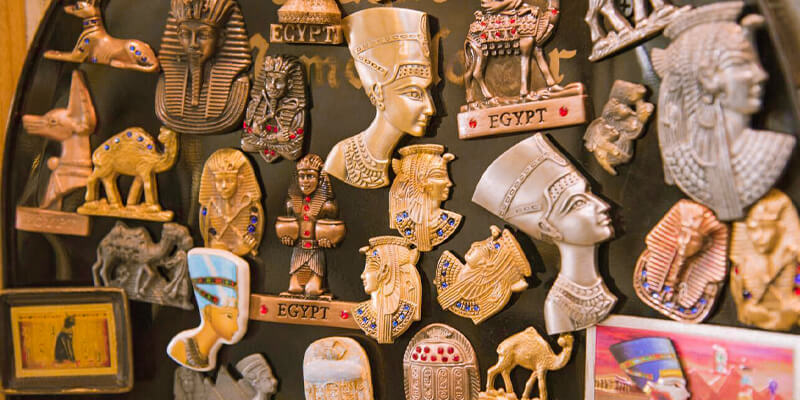
What to buy in Egypt in 2026 is one of the most common questions tr...
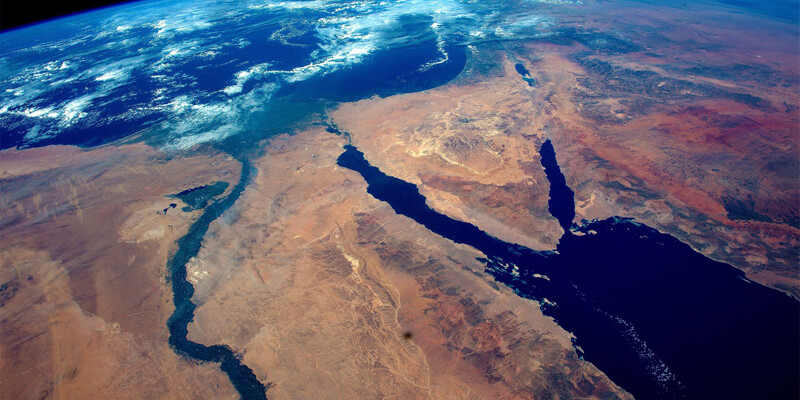
Where is located Egypt? Many travellers and readers search this exa...


We offer tours to Egypt’s most famous destinations such as the Pyramids and Sphinx in Giza, Karnak Temple and Luxor, Valley of the Kings, Sharm El Sheikh and Hurghada for beaches and diving, and Alexandria.
We provide organized tours, luxury hotel and resort bookings, comfortable transportation services, experienced tour guides, and activity ticket bookings such as diving, desert safaris, and Nile cruises.


