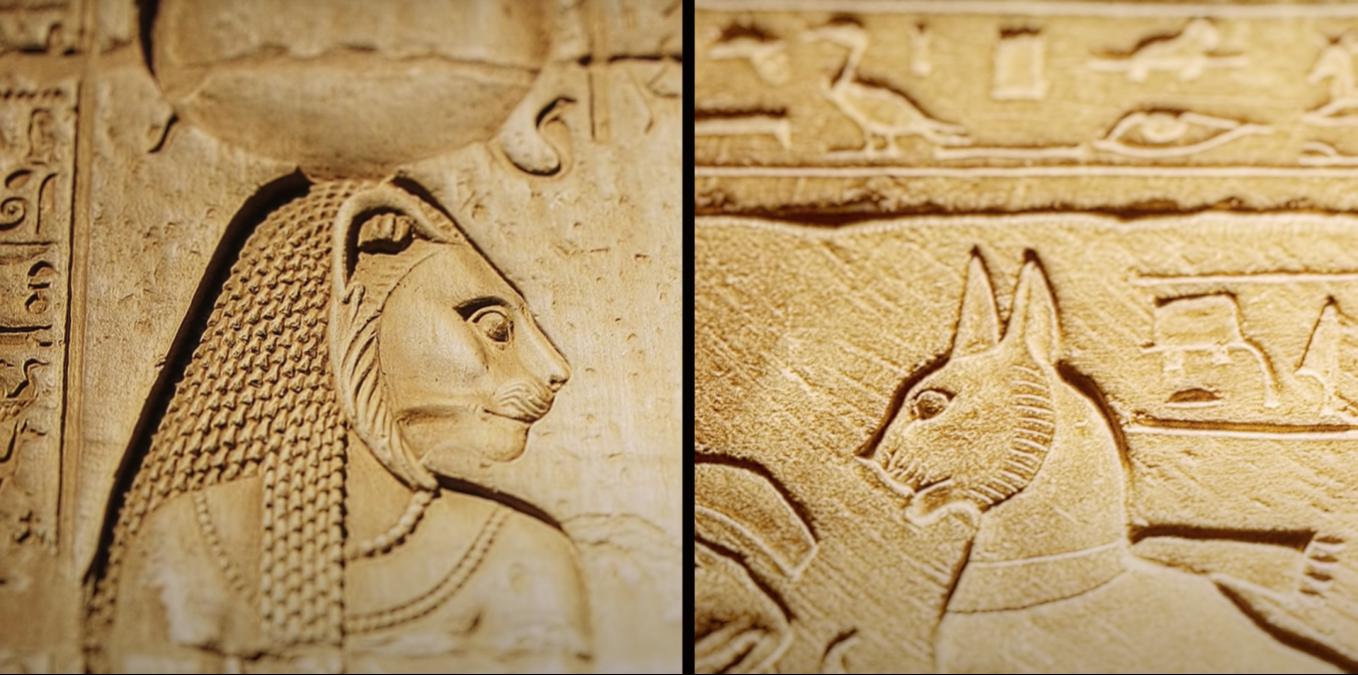
The story of bastet egyptian goddess begins thousands of years ago ...

Colossi of Memnon stand as two massive stone statues on the West Bank of Luxor, capturing the imagination of travelers for thousands of years. Rising nearly 18 meters high, they represent Pharaoh Amenhotep III and are among the most iconic landmarks of ancient Thebes. For visitors exploring Luxor, the Colossi serve as a gateway to the West Bank’s treasures, including the Valley of the Kings, Hatshepsut’s Temple, and countless other monuments.
Their mysterious presence, legendary history, and fascinating stories make them a must-see for travelers seeking to uncover the essence of Egypt’s past. Unlike many sites that only showcase history, the Colossi combine monumental architecture with myth, offering a cultural experience that blends archaeology, legend, and tourism into one remarkable stop.

The Colossi were originally constructed around 1350 BCE to guard the entrance of Amenhotep III’s mortuary temple, one of the largest temples ever built in ancient Egypt. Unfortunately, the temple itself was destroyed over time by floods, earthquakes, and quarrying, but the statues endured as a reminder of its former grandeur. Amenhotep III was one of the most powerful pharaohs of the New Kingdom, presiding over an era of prosperity, artistic achievement, and monumental construction.
The Colossi were designed not only as guardians but also as symbols of divine kingship, emphasizing the Pharaoh’s eternal presence even after death. They depict the king seated with hands resting on his knees, gazing east toward the rising sun, reflecting his connection to rebirth and eternity. Their sheer size and artistry speak volumes about the engineering and craftsmanship of ancient Egyptian builders, who transformed sandstone blocks into enduring masterpieces admired across millennia.
One of the most fascinating aspects of the Colossi of Memnon is the legend of their “singing.” After a powerful earthquake in 27 BCE, cracks formed in one of the statues, and travelers reported hearing mysterious sounds at dawn. Ancient Greeks and Romans believed these were the voices of the hero Memnon, the son of Eos, the goddess of dawn, who was killed in the Trojan War.
Pilgrims traveled great distances to hear the phenomenon, which added mythical significance to the site. Roman emperors, including Hadrian, even visited to witness the sound themselves. Eventually, repairs made during Roman rule ended the mysterious music, but the legend continued to attract attention for centuries. Today, while the statues no longer “sing,” the stories live on, offering visitors a chance to connect with the blend of history, myth, and natural wonder that makes the Colossi unique.
The Colossi of Memnon are carved from quartzite sandstone, transported from quarries near Cairo, more than 600 kilometers away. Each statue weighs around 720 tons, an extraordinary achievement for the ancient builders. Their sheer scale leaves visitors in awe, as the seated figures project both authority and calm. The king’s face, although eroded over centuries, still hints at the characteristic artistic style of the 18th Dynasty.
The statues are flanked by smaller carvings of Amenhotep III’s mother and wife, emphasizing royal lineage and family connections. Despite the wear of time, the artistry remains impressive, showcasing detailed craftsmanship in the throne’s side reliefs, which depict the Nile god Hapi binding together the plants of Upper and Lower Egypt. This symbolic imagery reflects the Pharaoh’s role as unifier and protector of the land. The combination of engineering skill and artistic symbolism makes the Colossi not only historical monuments but also masterpieces of world heritage.
For ancient Egyptians, the Colossi were far more than just statues; they served as sacred guardians of the mortuary temple of Amenhotep III. This temple was dedicated to the worship of the Pharaoh as a divine being, bridging the gap between the human and the gods. Positioned at the entrance, the statues symbolized protection, strength, and the Pharaoh’s eternal presence.
Their eastward orientation toward the sunrise connected them with Ra, the sun god, reinforcing themes of rebirth and continuity. The temple itself was one of the grandest religious complexes of its time, rivaling Karnak, and the Colossi were its monumental gatekeepers. Although the temple has largely vanished, the spiritual aura of the site persists, and for modern travelers, standing before the Colossi offers a moment of reflection on the spiritual power that defined ancient Egyptian civilization.
From the Greco-Roman period onward, the Colossi became a subject of fascination for travelers, poets, and historians. Writers such as Strabo and Pausanias described the singing phenomenon, adding to the allure of the statues. Roman tourists carved inscriptions into the stone, many of which remain visible today, offering a glimpse into early forms of cultural tourism.
The site became one of the earliest tourist attractions in history, with visitors leaving records of their journeys to Luxor, then known as Thebes. This long tradition of storytelling and documentation ensures that the Colossi remain part of global cultural memory. Even today, standing in front of the statues connects modern travelers to thousands of years of human fascination, curiosity, and admiration.
The Colossi of Memnon remain one of the most visited landmarks in Luxor. Located conveniently on the West Bank, they are often the first stop on tours that also include the Valley of the Kings, the Temple of Hatshepsut, and the Ramesseum. Travelers can visit the site for free, and its open-air location allows easy access at any time of the day.
Early mornings and late afternoons are the best times to visit, as the soft golden light enhances the statues’ imposing presence and provides excellent opportunities for photography. Tour guides often share both historical details and legendary tales, ensuring that visitors leave with a deeper appreciation of the site. Whether you are an archaeology enthusiast, a casual traveler, or a family on vacation, the Colossi offer a moment of awe and inspiration that sets the tone for exploring the rest of Luxor’s wonders.
Travelers visiting Luxor can easily include the Colossi in their itinerary. The site is best explored as part of a half-day or full-day West Bank tour. Many travel agencies, including ours, organize guided tours with professional Egyptologists who provide historical insights and storytelling that enrich the experience. Visitors can combine the Colossi with nearby attractions like Medinet Habu Temple, the Valley of the Nobles, and the Temple of Hatshepsut.
Transportation is straightforward, with options ranging from private cars to group buses. For a more immersive experience, consider a hot air balloon ride over the West Bank, which offers a stunning aerial view of the Colossi at sunrise. Planning a trip with a trusted agency ensures comfort, convenience, and the chance to experience Luxor’s ancient treasures in depth.
Beyond their historical value, the Colossi of Memnon play a vital role in Egypt’s modern tourism industry. They symbolize the resilience of ancient heritage and attract thousands of visitors each year. For locals, they are a source of pride, connecting communities with their ancestral past. For travelers, they represent both a photo opportunity and a chance to reflect on human history.
Tourism around the Colossi also supports local economies, from guides and drivers to nearby markets and craft shops. By visiting, travelers contribute to the preservation and promotion of Egypt’s cultural heritage, ensuring that future generations can continue to admire these timeless statues. The Colossi remind us that cultural heritage is not only about the past but also about how we engage with it today.
When planning a visit to the Colossi of Memnon, travelers should keep a few practical tips in mind. First, wear comfortable clothing and bring sun protection, as the site is fully exposed to the elements. Mornings are cooler and less crowded, making them ideal for a peaceful experience. Photography enthusiasts should consider visiting during golden hour for the best lighting.
Travelers are encouraged to bring water and stay hydrated, as exploring Luxor’s West Bank can be physically demanding. Hiring a knowledgeable guide is highly recommended, as it adds depth to the visit with historical context and legends. Finally, combine your visit with other nearby attractions to maximize your time in Luxor. With proper planning, a visit to the Colossi becomes not just a stop on the itinerary, but an unforgettable highlight of any journey through Egypt.
The story of bastet egyptian goddess begins thousands of years ago ...
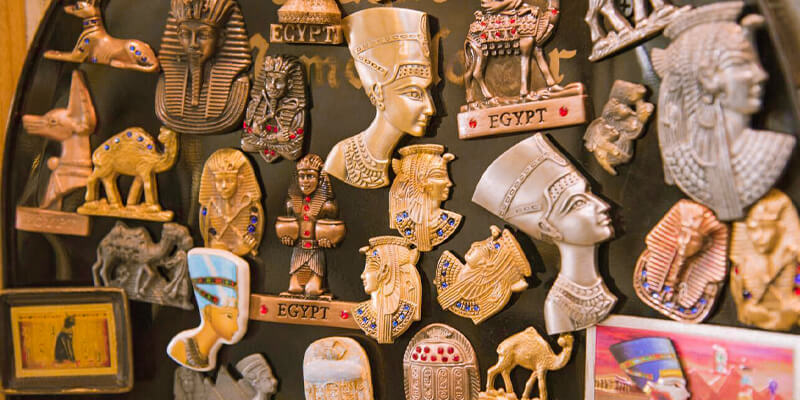
What to buy in Egypt in 2026 is one of the most common questions tr...
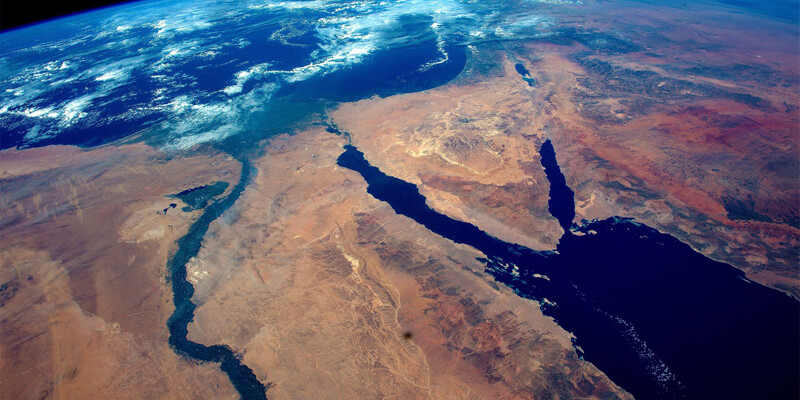
Where is located Egypt? Many travellers and readers search this exa...


We offer tours to Egypt’s most famous destinations such as the Pyramids and Sphinx in Giza, Karnak Temple and Luxor, Valley of the Kings, Sharm El Sheikh and Hurghada for beaches and diving, and Alexandria.
We provide organized tours, luxury hotel and resort bookings, comfortable transportation services, experienced tour guides, and activity ticket bookings such as diving, desert safaris, and Nile cruises.


