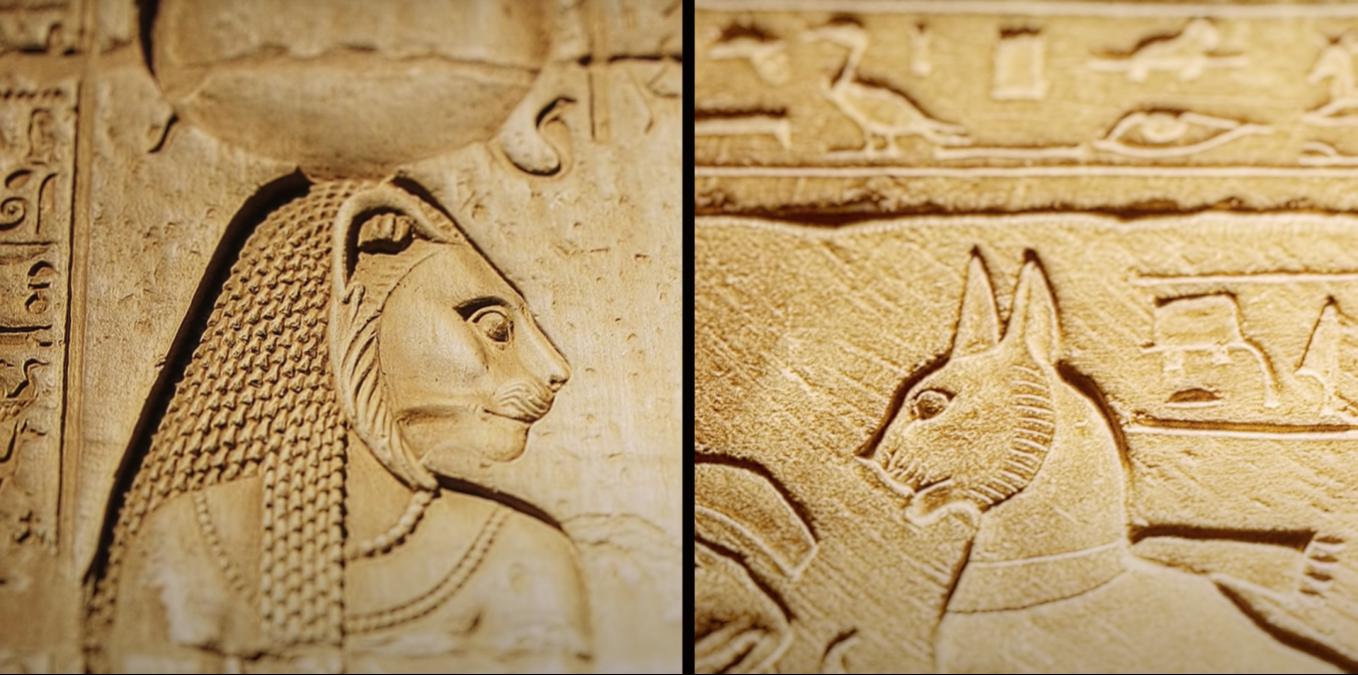
The story of bastet egyptian goddess begins thousands of years ago ...

Luxor Temple stands as one of the most remarkable monuments in the world, a site where history, spirituality, and artistic brilliance merge into a single breathtaking experience. Located in the heart of Luxor City along the banks of the Nile, the temple has been a center of cultural and religious life for thousands of years. Unlike many other temples that were dedicated solely to gods, Luxor Temple was constructed to honor the idea of divine kingship, making it unique in its symbolism.
Travelers who walk through its grand entrance are instantly transported into a world where colossal statues, towering columns, and intricate hieroglyphs narrate the achievements of powerful pharaohs. Visiting Luxor Temple is more than just sightseeing—it is stepping into a living chapter of human history. Whether admired in the golden daylight or illuminated under the night sky, the temple continues to inspire awe, leaving visitors with memories that last a lifetime.

The construction of Luxor Temple began during the reign of Pharaoh Amenhotep III in the 14th century BC, one of the most prosperous periods of the New Kingdom. His vision was to create a monument that would not only serve as a religious sanctuary but also reflect the grandeur of his reign. Later, Ramses II, often regarded as Egypt’s greatest builder, expanded the temple by adding colossal statues, obelisks, and a grand courtyard. Over the centuries, other rulers, including Tutankhamun and Alexander the Great, left their mark on the structure, each contributing to its evolving legacy.
What makes the temple especially fascinating is how it encapsulates layers of history within its walls. While its primary function was linked to rituals celebrating divine kingship and the annual Opet Festival, the site also adapted to changing times. During the Christian era, parts of the temple were converted into a church, and later a mosque was built within its grounds, which still stands today. This blend of religious traditions shows how Luxor Temple remained significant across millennia.
Luxor Temple’s architecture is a masterpiece of balance, scale, and symbolism. The temple begins with a grand pylon built by Ramses II, decorated with battle scenes celebrating his victories. In front once stood two massive obelisks, though today only one remains, with its twin relocated to Paris’s Place de la Concorde. Guarding the entrance are colossal seated statues of Ramses II, each sculpted with extraordinary precision. Beyond the pylon, visitors enter the Courtyard of Ramses II, where towering columns form a majestic frame.
The next section, the Colonnade of Amenhotep III, is one of the temple’s most striking features—a long avenue of 14 massive columns, each reaching 19 meters high, leading toward the inner sanctuaries. The Hypostyle Hall, chapels, and shrine dedicated to the sacred barque of Amun reveal the spiritual essence of the temple. Walking through these spaces, travelers witness not only grandeur but also the deep sense of sacred purpose embedded into every stone. The architectural harmony of Luxor Temple continues to inspire admiration as one of the finest achievements of the ancient world.
Luxor Temple was not primarily a place of worship for ordinary Egyptians but rather a sacred site dedicated to rituals of kingship and the annual Opet Festival. The Opet Festival was one of ancient Egypt’s most important celebrations, during which statues of the gods Amun, Mut, and Khonsu were carried in procession from Karnak Temple to Luxor Temple. This ritual symbolized the rejuvenation of kingship, reinforcing the divine connection between the pharaoh and the gods. The temple was therefore a spiritual stage where the power of rulers was legitimized and renewed each year.
Additionally, Luxor Temple embodied the idea of rebirth, both for kings and the cosmos itself. This religious function gives the temple a different character compared to other sites, as its significance was tied directly to the relationship between god and king. For travelers today, understanding these rituals adds depth to their visit, transforming the temple from an architectural marvel into a profound symbol of ancient Egyptian belief.
One of the most fascinating aspects of Luxor Temple is its connection to the Karnak Temple Complex via the Avenue of Sphinxes, also known as the Sphinx Alley. Stretching for nearly three kilometers, this grand processional road was lined with hundreds of sphinx statues, some with human heads and others with ram heads. It served as the ceremonial path for the Opet Festival, where priests carried sacred statues between the two temples. In recent years, extensive restoration efforts have reopened much of the avenue to visitors, allowing travelers to imagine the grandeur of these processions.
Walking along this path today, especially at sunset, gives visitors a sense of the scale and importance of religious life in ancient Thebes. The Avenue of Sphinxes is not just an archaeological wonder but also a symbol of how Luxor Temple was integrated into the larger spiritual landscape of the city. For modern explorers, it provides an unforgettable journey that links two of Egypt’s most iconic monuments.
Luxor Temple’s history did not end with the pharaohs. During the Roman period, parts of the temple were incorporated into a military camp, with frescoes depicting Roman emperors still visible in some chambers. Later, with the spread of Christianity, the temple was partially transformed into a church, leaving behind painted crosses and Christian symbols. In the Islamic era, the Mosque of Abu al-Haggag was built directly on top of the temple’s ruins, where it continues to serve as a place of worship today.
This layering of cultures makes Luxor Temple a living monument, reflecting the continuity of human faith across millennia. For travelers, this evolution adds richness to the site—what begins as a journey into ancient Egypt becomes an exploration of how different civilizations reused and reinterpreted sacred spaces. Standing inside the temple, visitors can witness firsthand how history is not a single story but a tapestry woven by many generations.
Exploring Luxor Temple during the day is an extraordinary experience filled with light, color, and detail. The warm sun highlights the textures of the sandstone blocks, while shadows bring depth to the towering columns and statues. Visitors have the chance to study the intricate carvings, hieroglyphs, and depictions of rituals that adorn the temple walls. Each carving tells a story—whether it is Ramses II’s battle triumphs or the sacred barque of Amun carried during the Opet Festival. Daytime visits also allow travelers to appreciate the temple’s scale, as they walk through its courtyards and colonnades.
Practical considerations include wearing comfortable clothing, bringing water, and starting early in the morning when temperatures are cooler. Guides often recommend a mid-morning or late-afternoon visit for the best lighting conditions for photography. For those who love history and architecture, a daytime tour is ideal for studying details and immersing in the temple’s grandeur.
While daytime reveals Luxor Temple’s details, visiting at night offers a completely different atmosphere. As the sun sets, the temple is illuminated with golden lights that highlight its columns, statues, and walls against the dark sky. The effect is mesmerizing, creating a sense of mystery and timeless beauty. Many travelers describe the night visit as one of the most unforgettable experiences in Luxor.
The reduced crowds make it easier to explore at leisure, and the play of light and shadow transforms the temple into a living work of art. Standing in the Colonnade of Amenhotep III under the night sky, visitors feel a powerful connection to the ancient rituals that once took place here. Night visits also provide excellent opportunities for photography, capturing the temple in a dramatic way that daylight cannot replicate. For those planning a trip to Luxor, including both day and night visits ensures a complete experience of the temple’s magic.
Today, Luxor Temple is one of the most visited attractions in Egypt, drawing travelers from every corner of the globe. Its location in the heart of Luxor City makes it easily accessible, whether visitors are arriving by Nile cruise, domestic flight, or train. The temple is often included in guided tours alongside Karnak Temple and the West Bank sites such as the Valley of the Kings. Tourism infrastructure around the temple is well-developed, with nearby hotels, restaurants, and markets offering convenience for travelers.
In recent years, restoration projects and events, such as the grand reopening of the Avenue of Sphinxes in 2021, have placed Luxor Temple back in the global spotlight. For travel agencies, the site remains a cornerstone of cultural itineraries, and for travelers, it is a highlight that connects them directly to the heart of ancient Thebes. The temple’s blend of accessibility, history, and cultural importance ensures its lasting role as a must-visit destination.
To make the most of a visit to Luxor Temple, travelers should plan strategically. The best times to visit are early in the morning or in the evening to avoid extreme heat and large crowds. Purchasing a guidebook or hiring a local guide enriches the experience, as the stories behind each monument bring the site to life. Comfortable walking shoes, sunscreen, and water are essentials, as the exploration can take several hours.
For photography enthusiasts, the golden hours of sunrise and sunset provide the best natural lighting. Tickets can be bought on-site, and combination passes that include multiple attractions in Luxor may offer good value. Visitors should also respect the sacred nature of the site, especially around the Mosque of Abu al-Haggag, which is still an active place of worship. By preparing in advance, travelers ensure their visit is smooth, enjoyable, and memorable.
Luxor Temple is more than just a monument—it is a bridge between past and present, a place where the grandeur of ancient Egypt continues to resonate today. Its unique blend of pharaonic, Roman, Christian, and Islamic layers makes it a living testament to the endurance of human culture. For travelers, the temple offers not only awe-inspiring architecture and rich history but also a profound sense of connection to the people who built, worshiped, and preserved it across thousands of years.
Whether admired in the glowing sunlight or under the stars, Luxor Temple delivers an unforgettable experience that stays in memory long after departure. Including this temple in a journey to Egypt ensures that travelers encounter the essence of Luxor—its spirituality, history, and enduring beauty. No visit to Egypt is complete without standing before the towering columns of Luxor Temple and feeling the weight of history that continues to shape our world.
The story of bastet egyptian goddess begins thousands of years ago ...
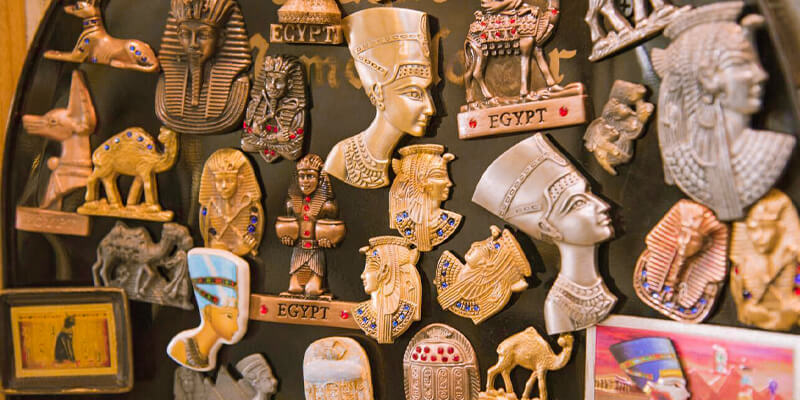
What to buy in Egypt in 2026 is one of the most common questions tr...

Where is located Egypt? Many travellers and readers search this exa...


We offer tours to Egypt’s most famous destinations such as the Pyramids and Sphinx in Giza, Karnak Temple and Luxor, Valley of the Kings, Sharm El Sheikh and Hurghada for beaches and diving, and Alexandria.
We provide organized tours, luxury hotel and resort bookings, comfortable transportation services, experienced tour guides, and activity ticket bookings such as diving, desert safaris, and Nile cruises.


