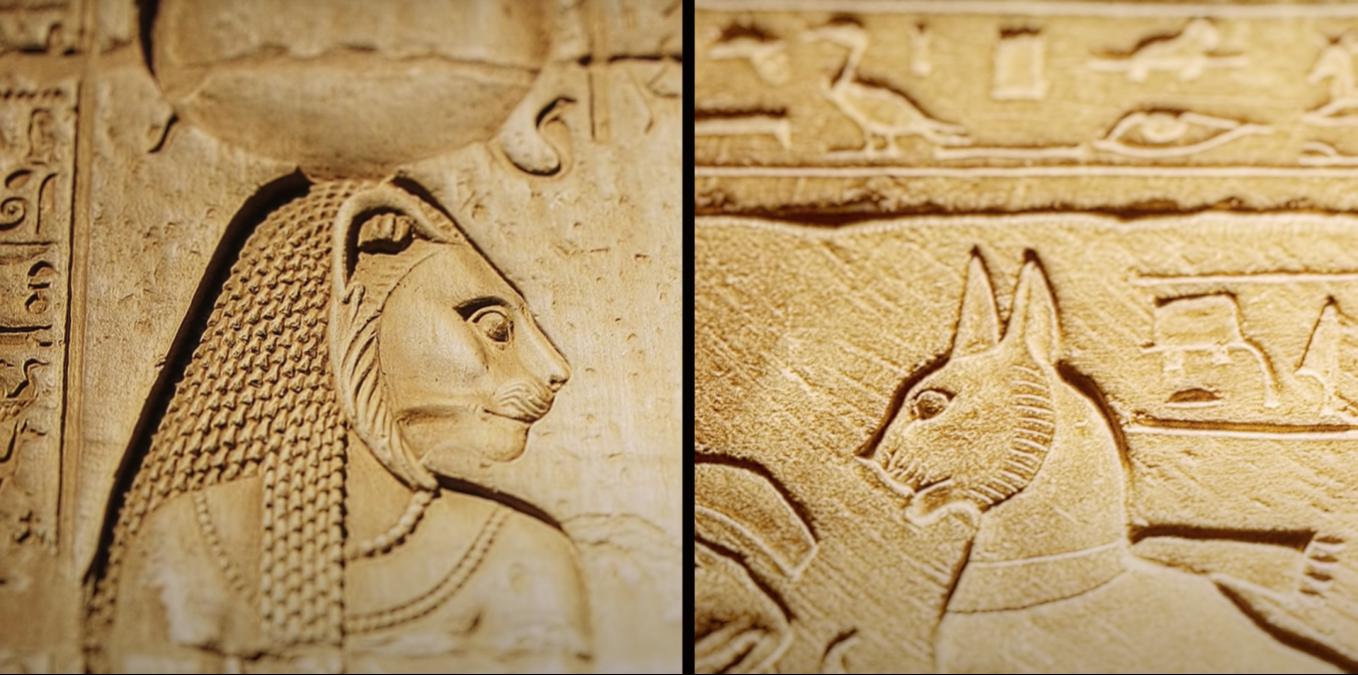
The story of bastet egyptian goddess begins thousands of years ago ...

Khan El Khalili Bazaar is Cairo’s most iconic marketplace, where centuries of history meet the vibrant pulse of daily Egyptian life. Established in the 14th century, this bustling souq is more than a shopping destination—it’s an immersive cultural experience.
Visitors can wander through narrow alleyways filled with colorful stalls, inhale the scent of exotic spices, hear the rhythmic sounds of craftsmen at work, and witness traditions that have survived for generations. For travelers, Khan El Khalili is not only a place to shop but also a chance to step into Cairo’s living history.

Khan El Khalili was founded in the late 14th century by Emir Djaharks El-Khalili during the Mamluk era, making it one of the oldest bazaars in the Middle East. Originally built as a caravanserai—a resting place for merchants traveling along ancient trade routes—the bazaar quickly developed into a thriving commercial hub. Over the centuries, it attracted traders from across the world, dealing in spices, silks, gold, silver, and precious stones.
During the Ottoman period, Khan El Khalili flourished even more. It became the center for international trade in Cairo, where merchants from Turkey, Persia, India, and Africa came to exchange goods. Many of the alleyways and khans (caravan inns) still retain their Ottoman-style architecture, with intricate wooden balconies and arched stone gateways that transport visitors back in time.
Culturally, Khan El Khalili has always been more than just a market. It became a gathering place for intellectuals, poets, and politicians. Egyptian novelist Naguib Mahfouz, who won the Nobel Prize in Literature, often used the bazaar and its surrounding cafés as settings for his stories. Al-Fishawi Café, established over 200 years ago, remains a popular meeting spot for locals and travelers alike.
Today, Khan El Khalili continues to thrive as both a shopping and cultural destination. For travelers, exploring the bazaar means connecting with Cairo’s heritage, where every corner tells a story. Whether you’re interested in history, architecture, or simply soaking up the atmosphere, the bazaar is a living museum that reflects Egypt’s past and present.

Shopping in Khan El Khalili is a feast for the senses. The bazaar offers a dazzling variety of goods, from traditional handicrafts to modern souvenirs. For travelers, this is the perfect place to find authentic Egyptian items to take home.
Some of the most popular things to buy include:
Shopping here is not only about the items but also about the experience of bargaining. Negotiating prices is part of the tradition, and vendors expect it. Travelers should approach it with patience and good humor, keeping in mind that it’s as much a cultural exchange as it is a transaction.
Visiting Khan El Khalili is like stepping into another world. The bazaar is a labyrinth of winding streets, vaulted passages, and covered stalls where life unfolds in vivid colors. The air is filled with the aroma of roasted coffee, freshly ground spices, and sizzling street food. Merchants call out to passersby, inviting them to explore their goods. Artisans hammer copperware, painters decorate papyrus, and jewelers polish silver under the warm glow of lamps.
The bazaar is busiest in the late afternoon and evening, when both locals and tourists fill its alleyways. During the holy month of Ramadan, it becomes even more lively, with lanterns lighting up the streets and shops open late into the night.
Travelers should expect a blend of old and new. While much of the market retains its traditional character, some areas cater to modern shopping trends with souvenirs, clothing, and tourist-friendly cafés. The balance makes it appealing for a wide range of visitors—from history lovers to casual shoppers.
The sounds of Khan El Khalili are as memorable as its sights. Traditional musicians sometimes play in the streets, and the hum of bargaining creates a constant rhythm. Even if you don’t plan to shop, walking through the bazaar is an experience in itself, where every turn brings a new discovery.
No visit to Khan El Khalili is complete without sampling its food and drinks. The bazaar is surrounded by cafés and eateries that have been part of Cairo’s cultural fabric for centuries.
The culinary scene at Khan El Khalili is not just about eating but about experiencing Egyptian hospitality. Travelers are encouraged to sit, relax, and watch the world go by. Sharing a meal or a cup of tea in the bazaar is as much a cultural experience as it is a culinary one.
Khan El Khalili is located in the heart of Islamic Cairo, a UNESCO World Heritage Site. Its surroundings are rich with mosques, madrasas (Islamic schools), and historic landmarks that reflect Cairo’s spiritual heritage.
The bazaar itself also holds cultural significance. For centuries, it has been a place where Egyptians gathered to celebrate, socialize, and exchange ideas. Even today, it continues to serve as a hub of community life.
For travelers, the proximity of Khan El Khalili to these landmarks means you can combine shopping with sightseeing. Visiting the mosques and madrasas around the bazaar provides a fuller understanding of Cairo’s religious and cultural identity.

To fully enjoy Khan El Khalili, it helps to plan ahead. Here are some essential tips for travelers:
Travelers who approach Khan El Khalili with curiosity and patience will find the experience rewarding. It’s a place where you can shop, eat, learn, and immerse yourself in Cairo’s vibrant culture all at once.
The bazaar has long captured the imagination of writers, artists, and filmmakers. Nobel laureate Naguib Mahfouz often set his stories in the bustling streets of Islamic Cairo, with Khan El Khalili as a backdrop. His novel Khan Al-Khalili reflects the social and cultural life of Cairo in the 1940s, bringing the bazaar to life through literature.
In popular culture, Khan El Khalili has appeared in countless travel documentaries, novels, and films. Its vibrant atmosphere, historic charm, and timeless energy make it a symbol of Cairo. Travelers visiting today often find that walking through the bazaar feels like stepping into the pages of history and literature.
For visitors who love cultural exploration, Khan El Khalili is not only a shopping destination but also a place to connect with Egypt’s artistic and intellectual heritage.
Khan El Khalili is easily accessible from downtown Cairo, about 30 minutes by car. Many travelers choose to visit as part of a guided tour, which often combines the bazaar with nearby attractions like Al-Azhar Mosque, the Citadel of Saladin, or the Egyptian Museum.
Booking a private tour allows travelers to learn more about the history and culture while navigating the bustling market with ease. A knowledgeable guide can also help with bargaining and finding authentic shops.
Even without a guide, visiting Khan El Khalili is manageable. Taxis and ride-hailing apps like Uber make transportation straightforward. However, traffic in Cairo can be heavy, so plan your timing carefully.
For travelers who want an immersive experience, some tours offer workshops in traditional crafts such as papyrus making, jewelry design, or cooking classes that end with shopping in the bazaar. These activities provide a hands-on connection to the traditions that thrive within Khan El Khalili.
The Khan El Khalili Bazaar is more than just Cairo’s most famous market—it is a journey into Egypt’s culture, history, and daily life. With its centuries-old architecture, bustling stalls, traditional handicrafts, and lively cafés, it offers travelers a glimpse into Cairo’s soul.
Whether you come to shop, eat, or simply wander through its historic alleyways, Khan El Khalili will leave you with lasting memories. It’s a place where the past and present coexist, where every purchase tells a story, and where travelers can truly experience the heartbeat of Cairo.
For anyone planning a trip to Egypt, Khan El Khalili is a must-visit destination that promises both discovery and delight.
The story of bastet egyptian goddess begins thousands of years ago ...
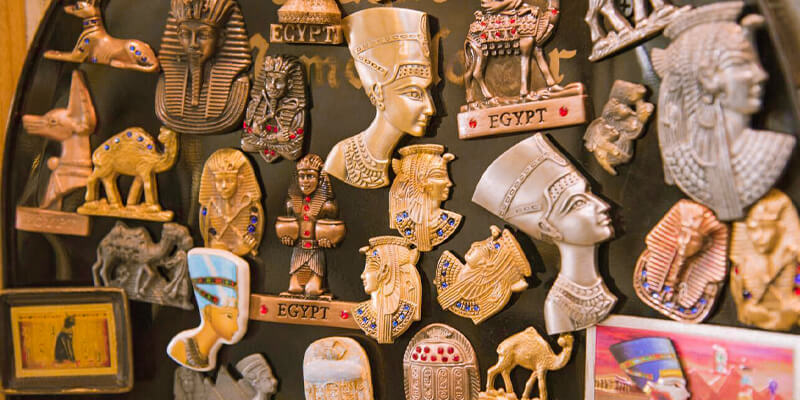
What to buy in Egypt in 2026 is one of the most common questions tr...
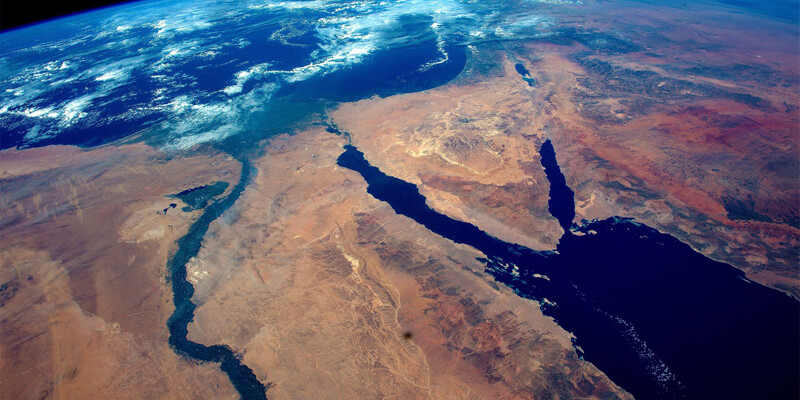
Where is located Egypt? Many travellers and readers search this exa...


We offer tours to Egypt’s most famous destinations such as the Pyramids and Sphinx in Giza, Karnak Temple and Luxor, Valley of the Kings, Sharm El Sheikh and Hurghada for beaches and diving, and Alexandria.
We provide organized tours, luxury hotel and resort bookings, comfortable transportation services, experienced tour guides, and activity ticket bookings such as diving, desert safaris, and Nile cruises.


