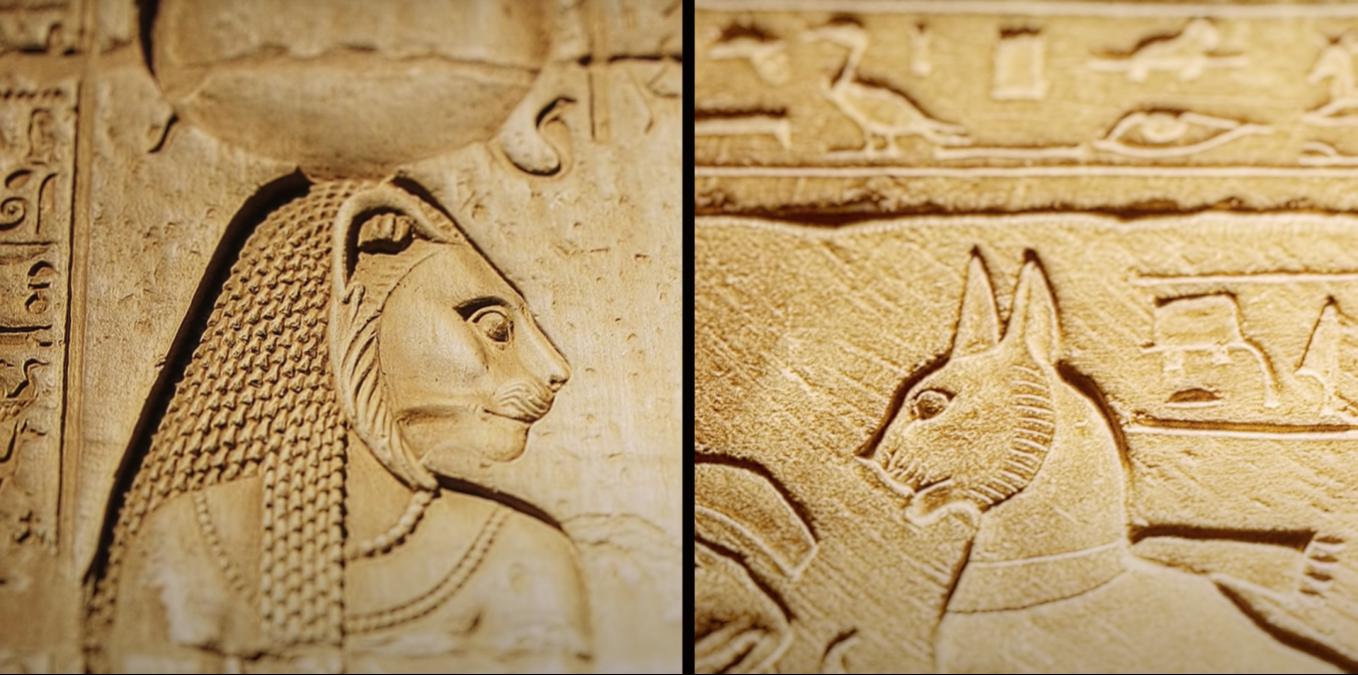
The story of bastet egyptian goddess begins thousands of years ago ...

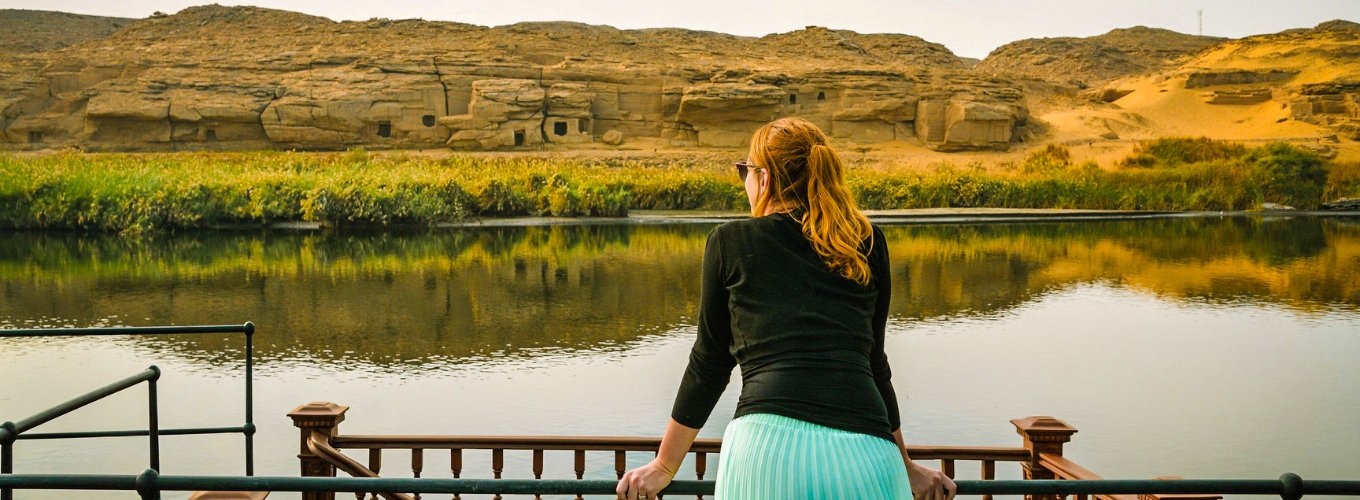
The Aswan High Dam stands as one of Egypt’s most significant modern achievements. Located near the southern city of Aswan, this colossal structure is more than just a dam—it’s a symbol of national pride, a pivotal resource for Egypt’s development, and an essential stop for travelers seeking to understand the country’s blend of ancient history and modern ambition.

Constructed between 1960 and 1970, the Aswan High Dam was a transformative project for Egypt. Prior to its construction, the Nile River’s seasonal flooding often brought destruction to communities and farmland. While these floods were crucial for agriculture, they were unpredictable and could be devastating. The dam introduced a new era of control, stability, and development, giving Egypt the ability to regulate water flow, produce hydroelectric power, and store water for dry periods.
This shift dramatically improved Egypt’s agricultural capabilities and helped fuel industrial growth. It also provided consistent irrigation to millions of hectares of farmland, changing the lives of countless Egyptians.
Egypt’s dependence on the Nile has always been absolute. With the country’s limited rainfall and arid deserts, the river is its lifeline. Seasonal flooding of the Nile used to determine crop success or failure. The Aswan High Dam allowed for the regulation of this ancient river, enabling Egypt to mitigate floods, store water for dry seasons, and expand agriculture throughout the year.
Another driving factor was the growing population. By the mid-20th century, Egypt needed more food, more electricity, and more stable water management. The dam became a necessity for modernization, and its construction marked a bold step forward into a new age of development.
Spanning over 3,800 meters in length and 111 meters in height, the Aswan High Dam is an impressive feat of engineering. Built using 43 million cubic meters of material, its scale is difficult to comprehend until you see it up close. The dam created Lake Nasser—one of the largest man-made lakes in the world—which stretches into neighboring Sudan.
This massive reservoir serves as a crucial water bank, storing up to 132 cubic kilometers of water. It’s not just vital for agriculture but also provides drinking water and supports Egypt’s fishing industry.
The dam’s hydroelectric power station plays a key role in supplying energy. At its peak, it generates over 2,000 megawatts of electricity, meeting a significant portion of the country’s energy demands and supporting its growing infrastructure.
Lake Nasser, named after President Gamal Abdel Nasser who championed the dam’s construction, is a wonder in its own right. The lake stretches approximately 500 kilometers, with most of it in Egypt and the rest extending into Sudan. It’s not just a water storage facility—it has become an ecosystem supporting various fish species and attracting migratory birds.
For travelers, Lake Nasser offers a peaceful contrast to the hustle of Egypt’s cities. Its calm, expansive waters are ideal for fishing excursions, boat trips, and wildlife observation. Some Nile cruises even venture southward from Aswan to explore this lesser-known region, giving tourists a chance to experience a more tranquil side of the country.
The construction of the Aswan High Dam was not just an engineering challenge but also a political one. Initially planned with Western funding, the project became a symbol of Cold War politics when Egypt turned to the Soviet Union for support after Western funding was withdrawn. The Soviet Union contributed engineers, equipment, and expertise, making the dam a symbol of Egyptian-Soviet cooperation during a critical time in the country’s history.
This international backdrop adds to the dam’s historical importance. For visitors, it offers more than a view of modern infrastructure—it presents a glimpse into Egypt’s 20th-century struggle for self-determination and development.
Today, the Aswan High Dam is a popular stop on many guided tours of southern Egypt. Located just 13 kilometers south of Aswan, it’s easily accessible and typically included in day tours that may also visit the nearby Unfinished Obelisk, Philae Temple, and Lake Nasser.
Travelers can walk along the top of the dam to get a panoramic view of both Lake Nasser and the Nile River. The scale and setting are striking, offering excellent photo opportunities and a deeper appreciation of Egypt’s modern achievements.
While the dam itself is a functional structure with limited tourist facilities, the surrounding area has viewpoints and small exhibits that explain the dam’s construction, significance, and impact.
One of the most notable consequences of building the dam was the need to relocate several ancient monuments that would have been submerged by Lake Nasser. The most famous of these is the Abu Simbel temples—massive rock temples built by Ramses II.
In a UNESCO-led rescue operation, these temples were carefully cut into blocks, moved uphill, and reassembled in a new location. This effort remains one of the most remarkable feats of archaeological preservation ever undertaken.
When you visit Abu Simbel today, you’re not just seeing an ancient wonder—you’re also witnessing the legacy of international cooperation sparked by the construction of the Aswan High Dam.
Despite its many benefits, the dam has had its share of criticisms. It significantly altered the natural flow of the Nile, affecting ecosystems downstream. The annual floodwaters once carried nutrient-rich silt that fertilized Egypt’s fields. With the dam in place, farmers have had to rely more on artificial fertilizers.
Some fish species and plants that depended on the Nile’s original rhythm have also been affected. Moreover, the resettlement of Nubian communities—whose homes were flooded by the creation of Lake Nasser—remains a sensitive topic. While many Nubians were relocated to new villages, their ancestral lands and way of life were permanently changed.
Understanding these complex issues helps visitors appreciate the dam’s far-reaching impact beyond its immediate functions.
Today, the Aswan High Dam continues to play a vital role in Egypt’s development. It protects the country from both floods and droughts, supports irrigation and energy needs, and contributes to food security. Its existence has allowed Egypt to build new cities, expand its agricultural output, and develop industrial zones that rely on stable electricity and water supplies.
For modern Egypt, the dam is not just infrastructure—it’s a backbone of national stability. It has enabled population growth, economic development, and long-term planning in a region where water scarcity is a growing concern.
Aswan is a beautiful city with a laid-back atmosphere and a distinct Nubian culture. The Aswan High Dam fits seamlessly into a day of exploration. Many travel agencies include it as part of a broader Aswan city tour, often combined with Philae Temple and a boat ride on the Nile.
Some itineraries include a stop at the dam while heading to or from Abu Simbel, making it a convenient addition to a southern Egypt adventure. The roads are well-maintained, and the journey is short—ideal for those wanting to see the dam without taking too much time from their schedule.
Visitors are encouraged to bring a hat, sunscreen, and water, as the site is often hot and exposed to direct sunlight. Photography is allowed, though some areas may be restricted due to security considerations.
The Aswan High Dam might not have the grandeur of a pharaonic temple or the mystique of the pyramids, but its significance in shaping modern Egypt is immense. Visiting the dam adds depth to your journey, connecting the dots between the country’s ancient past and its present-day reality.
Understanding the dam gives context to Egypt’s agricultural fields, its expanding cities, and even its geopolitical stance on Nile water rights. It’s a site that tells a story of innovation, resilience, and the human capacity to transform landscapes.
The Aswan High Dam is much more than a stop on a tourist itinerary—it’s a monumental reminder of how modern Egypt came to be. It shaped the landscape, redefined agriculture, and helped bring stability to a country deeply dependent on its river. For travelers who want more than snapshots of temples and tombs, a visit to the dam provides an essential piece of Egypt’s living history.
If you’re planning a trip to Egypt and want to explore beyond the ancient ruins, the Aswan High Dam offers a fascinating glimpse into the country’s modern journey. It’s a destination that completes the narrative of Egypt—linking its glorious past with the challenges and achievements of the present.
The story of bastet egyptian goddess begins thousands of years ago ...

What to buy in Egypt in 2026 is one of the most common questions tr...
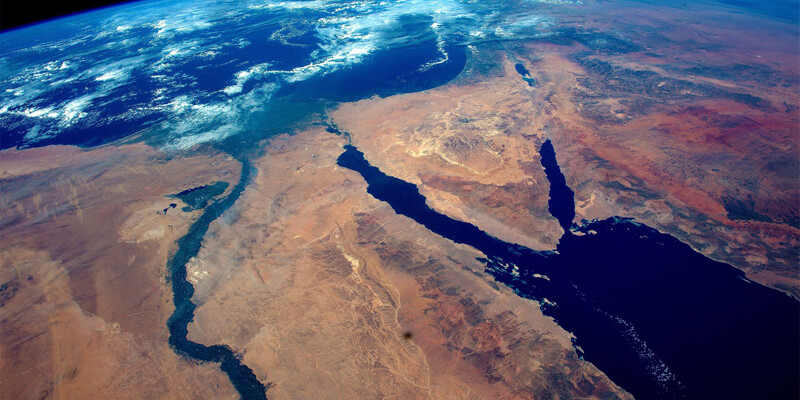
Where is located Egypt? Many travellers and readers search this exa...


We offer tours to Egypt’s most famous destinations such as the Pyramids and Sphinx in Giza, Karnak Temple and Luxor, Valley of the Kings, Sharm El Sheikh and Hurghada for beaches and diving, and Alexandria.
We provide organized tours, luxury hotel and resort bookings, comfortable transportation services, experienced tour guides, and activity ticket bookings such as diving, desert safaris, and Nile cruises.


